
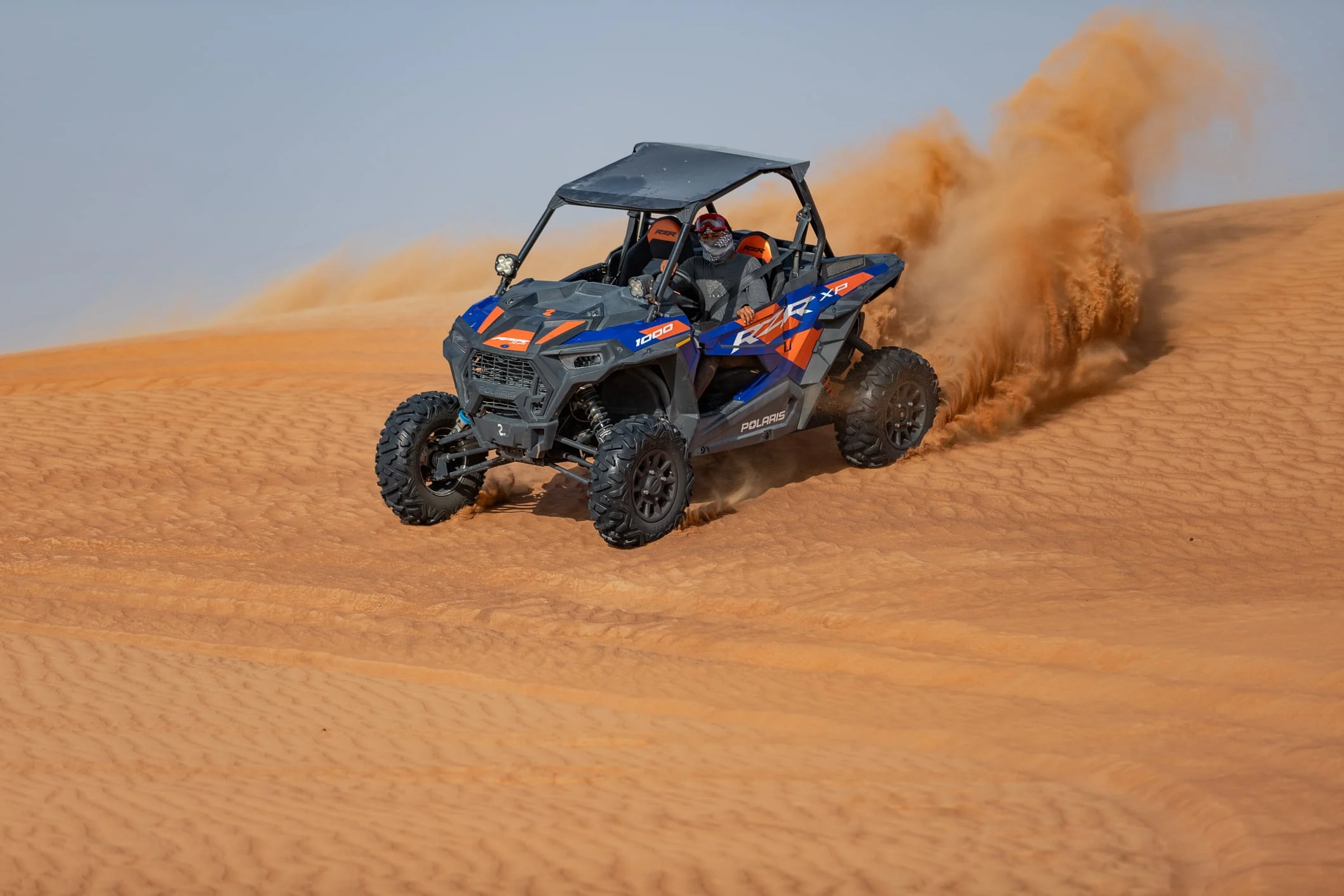
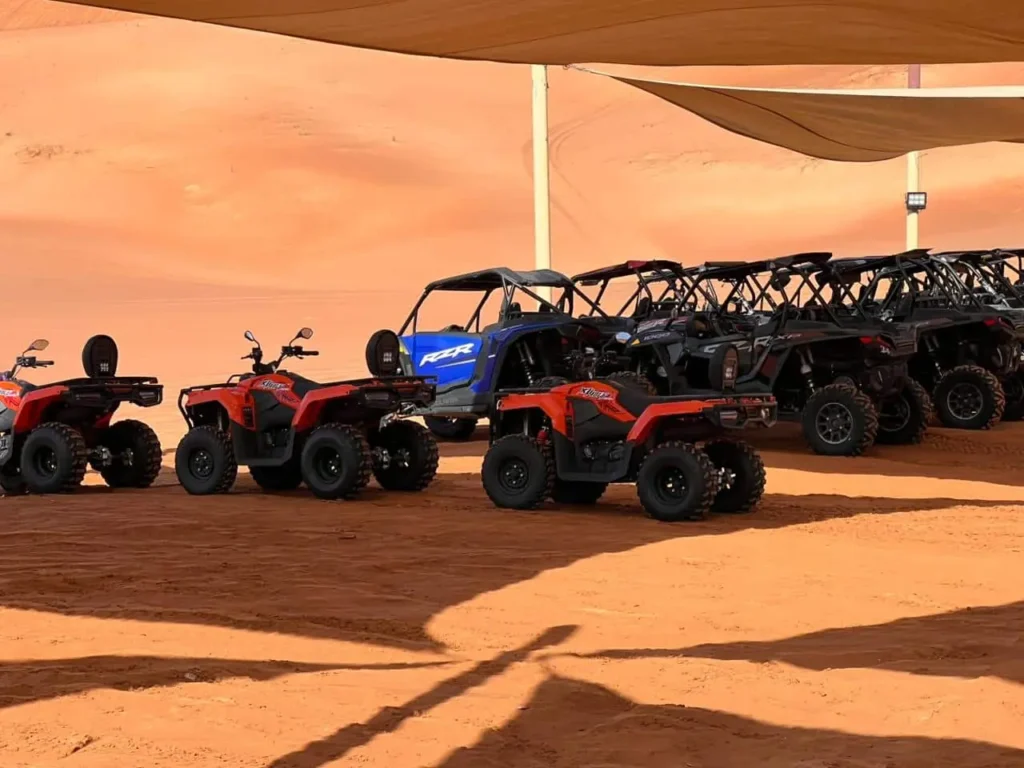
Dune buggy Dubai safety tips are the first thing every rider — beginner or experienced — should read before heading into the desert. The red dunes of Dubai are spectacular, but the terrain is unpredictable, the heat is relentless, and the vehicles are powerful.
A little preparation goes a long way. Whether you’re booking your first-ever buggy ride or returning for another adventure, this guide covers everything you need to know to stay safe and have the time of your life.
A dune buggy ride through the Dubai desert is one of those experiences that people plan for months and talk about for years. The vast red dunes, the roar of the engine, the weightless feeling cresting a ridge at speed — there’s nothing quite like it.
But the desert demands respect. Whether you’re a first-timer or a seasoned off-road enthusiast, going in prepared makes the difference between an incredible adventure and an avoidable mishap. We’ve put together this guide so you arrive at the dunes confident, comfortable, and ready to make the most of every moment.
Desert driving is not like driving on a road. The sand surface changes constantly — firm in shadow, soft in sunlight, deceptive on dune crests. Every operator offering dune buggy rides in Dubai is required to provide a pre-ride safety briefing, but the quality and length of those briefings vary significantly. Understanding the basics before you arrive puts you in a much better position to actually absorb what’s being said. If you’re a first-time rider, the first-time desert buggy rider guide covers what the briefing typically includes and what to do if you feel out of your depth mid-ride. Families bringing children should read the dune buggy Dubai for families guide, which addresses child-specific safety rules and whether younger passengers ride in the same vehicle as adults. Riders who are unsure whether they need a license to participate will find a clear answer at dune buggy Dubai without a driving license.
1. Choose a reputable, professional tour operator
Everything else on this list becomes easier when you book with a trusted company. A reputable operator like Desert Buggys will handle vehicle maintenance, provide professional guides, conduct safety briefings, and ensure all protective gear is up to standard — so you can focus entirely on the experience.
Before booking, check for verified Google and TripAdvisor reviews, confirm that guides hold professional certifications, and look for a clear safety record. If a company can’t answer basic questions about how they manage safety, that’s a signal to look elsewhere.
“The safest dune buggy ride is one led by professionals who know the terrain, the vehicles, and how to respond if something unexpected happens.”
2. Always wear your safety gear — no exceptions
Helmet
A non-negotiable. Our helmets are built with reinforced materials to absorb impact during sudden jolts, rolls, or collisions. Always wear it fastened correctly before moving.
Goggles or protective glasses
Sand at speed is brutal on unprotected eyes. Goggles keep your vision clear and prevent painful sand abrasion throughout the ride.
Buggy suit or full-coverage outfit
A protective suit keeps sand out of your clothing and guards your skin against scrapes. Your guide will provide or advise on the right gear before you set off.
Closed-toe shoes
Sandals, flip-flops, and open footwear are not permitted on tours. Closed shoes protect your feet from hot sand, pedal edges, and unexpected terrain contact.
3. Check your vehicle before you ride
Our team conducts a thorough pre-ride inspection of every buggy before each session. That said, it’s good practice to be aware of what a road-ready desert buggy should have: functioning brakes, properly inflated tyres, a working roll cage, secure seatbelts, and a full fuel level.
If anything feels off when you sit in the vehicle — an unusual sound, a stiff control, a loose fitting — tell your guide immediately. Never ignore a mechanical concern before heading into the open desert.
4. Dress for the desert, not the city
The Dubai desert has two very different personalities depending on the time of day. Midday can push well above 40°C in summer, while evenings — especially in winter — can feel surprisingly cool. Dress accordingly.
Morning & evening rides
Light, breathable fabrics. A long-sleeved layer protects from sun exposure without overheating.
Night or winter tours
Bring a light jacket or extra layer — temperatures in the desert drop significantly after sunset.
A scarf or buff around your neck and lower face is one of the most underrated pieces of kit you can bring — it keeps sand out of your mouth and nose during the ride.
5. Plan your visit during the right season
Dubai’s peak desert touring season runs from November through April. Temperatures during this period are comfortable, mornings are cool, and late afternoons offer some of the most spectacular golden-hour light you’ll ever see over the dunes.
If you’re visiting between May and October, early morning sessions are strongly recommended to avoid the intense midday heat. Our team will always advise the best slot for the conditions on your chosen date.
6. Stay well hydrated throughout
Desert heat — even in the cooler months — accelerates dehydration faster than most people expect. The physical effort of handling a buggy over varied terrain adds to this. Drink water before your session starts, accept refreshments from your guide during the ride, and don’t wait until you feel thirsty to drink.
Water and soft drinks are provided throughout your tour. You don’t need to bring your own supply, but it’s a good idea to hydrate well from the morning of your ride.
7. Listen to your guide — completely
Your guide’s pre-ride briefing isn’t a formality — it’s the most important part of your safety preparation. They’ll cover how the controls work, how to handle the buggy on different dune gradients, safe following distances, what to do if you feel out of control, and emergency procedures.
During the ride, maintain at least 20 metres between yourself and the buggy ahead. Sand reduces traction significantly compared to asphalt, and stopping distances are longer than you might expect. Follow your guide’s pace, especially on steep descents.
8. Know your limits — and respect them
The desert is not the place to show off or push beyond your comfort zone, especially on your first ride. Start at a pace that feels manageable. Speed and confidence build naturally as you get a feel for the vehicle and the terrain — your guide will read your ability and adjust the route accordingly.
If at any point during the ride you feel dizzy, unwell, or overwhelmed, signal to your guide to stop. There’s no pressure to push through discomfort. Your safety always comes first.
9. Leave valuables behind
Sand gets into everything — pockets, bags, phone cases, and camera housings. Leave unnecessary valuables at your hotel or in the pickup vehicle before heading out. If you want to photograph the experience, your guide can advise on the safest moments to stop and take shots, and some tours include dedicated photography stops.
10. Be aware of the terrain at all times
Desert dunes are dynamic. What looks like a smooth slope from a distance may have a sharp drop on the other side. Always follow your guide’s chosen route and resist the temptation to veer off-track to explore. The guided route is planned specifically to deliver maximum scenery with minimum risk.
Frequently asked questions
Is dune buggy riding in Dubai safe for beginners?
Yes — with the right operator and proper guidance, dune buggy riding is safe for complete beginners. Desert Buggys maintains a 100% safety record. Every session begins with a full safety briefing, and a professional guide accompanies the group throughout the ride. Beginners are started on manageable terrain and build confidence gradually at their own pace.
What protective gear is provided — and what do I need to bring myself?
We provide helmets, goggles, and protective buggy suits as standard — you don’t need to source your own. What you should bring with you: Closed-toe shoes, a light scarf or buff, Sunscreen, Breathable clothing, Extra layer for evenings
Do I have to wear a helmet for the full duration of the ride?
Yes, helmets must be worn and properly fastened from the moment the buggy moves until it comes to a complete stop at the end of the session. This rule applies to every rider, every time — no exceptions. Our helmets are built with reinforced materials and are inspected before each tour.
What should I wear for a dune buggy ride in Dubai?
Light, breathable clothing works best for daytime rides. Long sleeves are recommended to protect against sun exposure and sand. Closed-toe shoes are mandatory — no sandals or flip-flops. For evening or winter tours, bring a light jacket as desert temperatures can drop sharply after sunset. A scarf or buff for your face is one of the most useful things you can bring.
Is there an age or health restriction for dune buggy rides?
Riders must be at least 15 years old to drive a buggy solo. Younger guests can ride as passengers in multi-seat vehicles accompanied by an adult. If you have any medical conditions — particularly back or neck issues, heart conditions, or pregnancy — please consult your doctor before booking and let our team know when you arrive. Your safety is our priority, and we will always find the most suitable option for you.
What is the best time of year to go dune buggying in Dubai?
November through April is the ideal season — temperatures are pleasant, the desert light is stunning, and early morning sessions are particularly comfortable. If you’re visiting in summer (May to October), book the earliest available morning slot to beat the midday heat. We run tours daily, and our team will always advise you on the best timing for your visit date.
Are the buggies checked for safety before each session?
Yes. Every vehicle undergoes a full pre-ride inspection before each tour — covering brakes, tyres, fuel level, roll cage integrity, seatbelts, and all mechanical controls. If any fault is detected, the vehicle is taken off rotation immediately and replaced. We never send a rider out on a vehicle that hasn’t been cleared by our team.
Can I go off the guided route to explore on my own?
No — and this is an important safety rule. The guided route is carefully planned to avoid hazardous terrain, hidden drop-offs, and areas with unpredictable sand conditions. Veering off route significantly increases risk and may lead to getting stuck or lost. Stay with your guide at all times and maintain the advised following distance of at least 20 metres from the buggy ahead.
Helpful Dune Buggy Guides
- Best Time for Dune Buggy Dubai
- What to Wear on a Dune Buggy in Dubai
- Dune Buggy Dubai Safety Tips
- Dune Buggy Dubai for Families
- Morning vs Evening Dune Buggy Tours
Still have a safety question?
Our team is available 24/7 on WhatsApp and is always happy to help before you book. Ask our team ↗
Ready to ride safely?
Our guides handle every safety detail — all you need to bring is your sense of adventure. Book your tour ↗Related Dubai Adventure Guides
Dune Buggy Dubai — Full Booking Guide
First-Time Desert Buggy Rider Tips — Preparation & What to Expect
Dune Buggy Dubai for Families — Safety Rules & Age Restrictions
Can You Do Dune Buggy Dubai Without a Driving License?
Dune Buggy Dubai Experiences — Best Operators & What They Offer
Before booking your adventure, you can explore official information about Dubai Desert Adventures and Outdoor Activities. Visitors can also find useful travel guidance through the UAE Tourism and Travel Information portal.