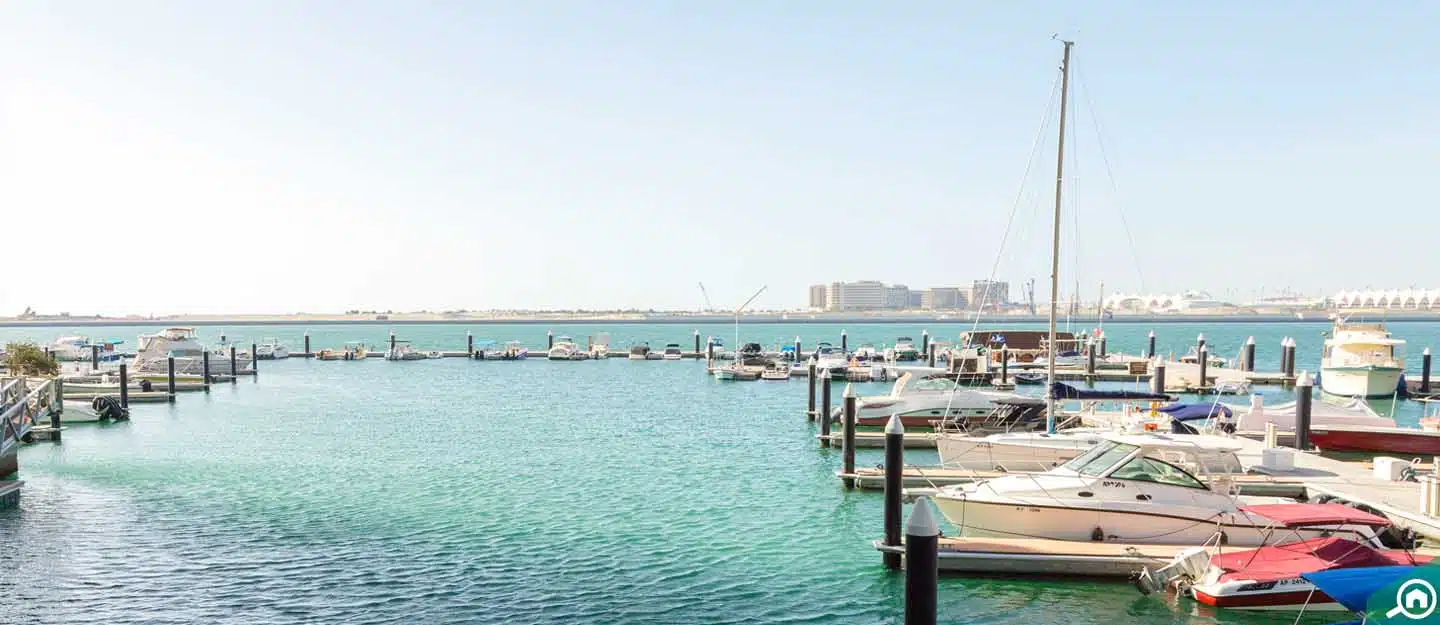
Nestled approximately 42 kilometers off the coast of Abu Dhabi, Dalma Island is a hidden gem in the United Arab Emirates (UAE) that boasts a rich tapestry of history and culture.
While many travelers flock to the UAE for its modern marvels and desert adventures, Dalma Island offers a unique glimpse into the nation’s ancient past and enduring traditions.
Ancient Roots: A 7,000-Year-Old Settlement
Neolithic Beginnings
Archaeological excavations have revealed that Dalma Island was inhabited as far back as 7,000 years ago during the Neolithic period.
The island’s abundant freshwater wells made it an ideal location for early settlers. Artifacts such as Ubaid pottery, stone tools, and shell beads indicate a thriving community engaged in trade and daily life.
Pearl Diving Legacy
In the late 19th and early 20th centuries, Dalma Island emerged as a significant center for pearl diving—a cornerstone of the UAE’s pre-oil economy.
The island’s strategic location and rich marine environment made it a hub for pearl traders and divers.
The legacy of this era is still evident in the island’s architecture and cultural practices.
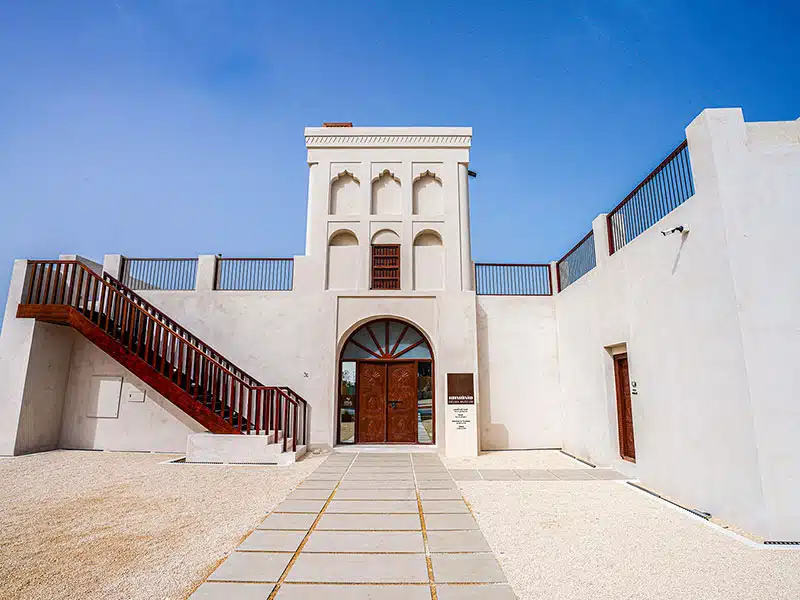
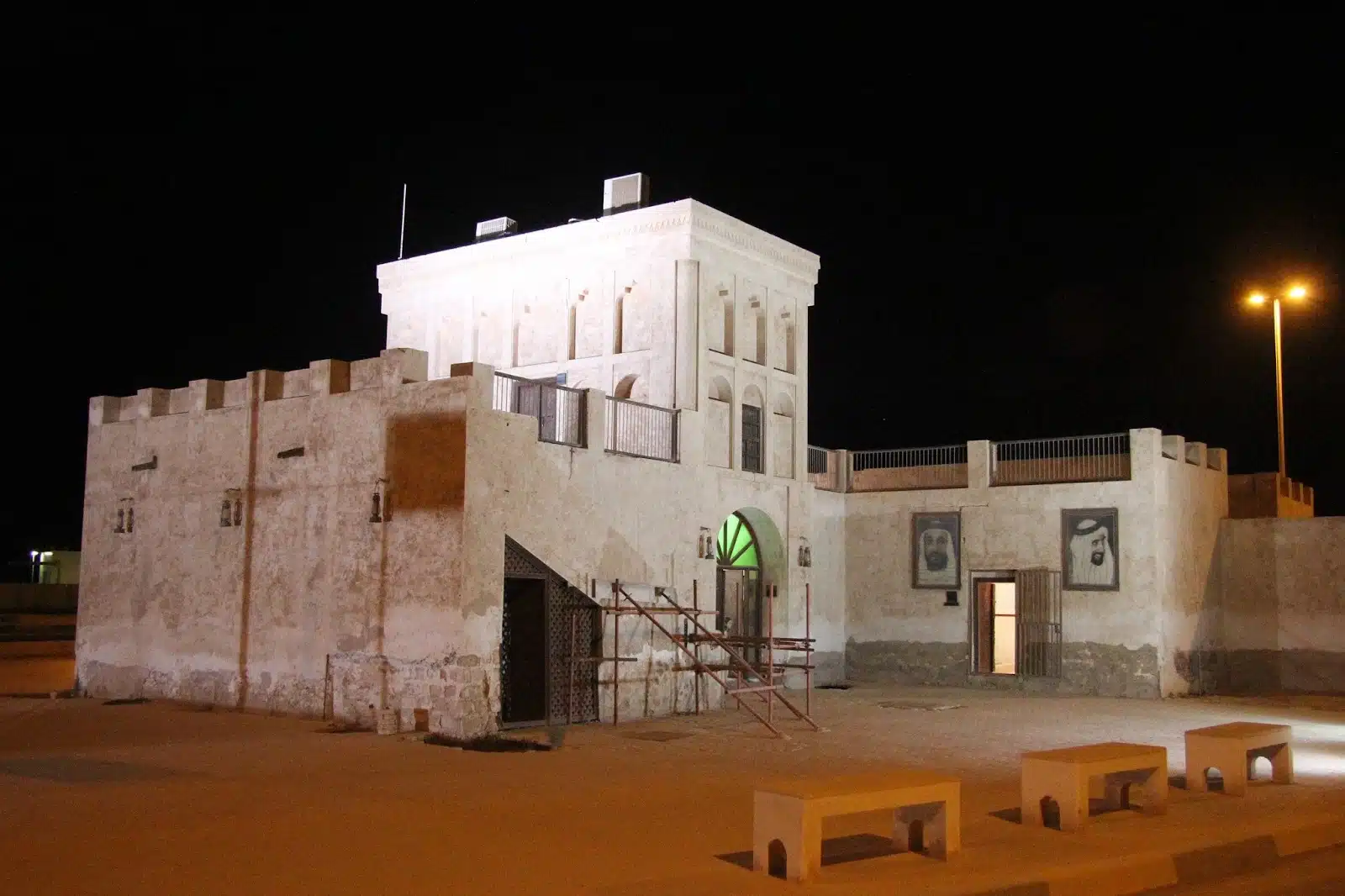
Dalma Island is home to several historic mosques and traditional houses that reflect Islamic and Emirati architectural styles.
Notable among these is the Al Muraykhi House, a well-preserved example of 19th-century architecture that offers insights into the island’s past.
Delma Museum
Housed in a former pearl merchant’s residence, the Delma Museum showcases a collection of artifacts that narrate the island’s rich history.
Visitors can explore exhibits featuring traditional tools, household items, and photographs that chronicle the island’s evolution over the centuries.
Natural Beauty and Activities
Scenic Landscapes
Beyond its historical significance, Dalma Island offers picturesque landscapes, including rocky hills and fertile lands.
The island’s eastern and northern regions feature rocky outcrops, while its interior boasts lush vegetation, making it a haven for nature enthusiasts.
Activities for Visitors
Visitors to Dalma Island can engage in various activities:
Cultural Tours: Explore historic sites and learn about the island’s heritage.
Beach Outings: Relax on serene beaches away from the mainland’s hustle.
Photography: Capture the island’s unique landscapes and architecture.
For those interested in desert adventures, consider exploring options like dune bashing, camel rides, and quad biking offered by Desert Buggys.
Also Read:
Visiting Dalma Island: Practical Information
How to Get There
Dalma Island is accessible via ferry from Jebel Dhanna port. The ferry ride offers scenic views of the Arabian Gulf and typically takes about 1.5 hours.
Ticket Pricing
Adults: AED 20
Children under 12: Free
Vehicles: AED 100
Best Time to Visit
The ideal time to visit Dalma is between November and March, when the weather is cooler and more conducive to outdoor activities.
Safety Considerations
Dalma Island is considered safe for travellers. However, it’s advisable to:
Stay hydrated and carry sunscreen.
Inform someone about your travel plans.
Stick to well-travelled areas and follow local guidelines.
Cultural Experiences and Local Insights
Bedouin Traditions
Dalma Island offers a window into traditional Bedouin life. Visitors can learn about age-old practices, from pearl diving techniques to traditional crafts, providing a deeper understanding of Emirati culture.
Culinary Delights
While on the island, indulge in local Emirati cuisine. Traditional dishes, often centred around seafood, reflect the island’s maritime heritage.
Q: What is Dalma Island known for? A: Dalma Island is renowned for its ancient history, pearl diving legacy, and cultural landmarks.
Q: Can I take my car to Dalma Island? A: Yes, vehicles can be transported via ferry for a fee of AED 100.
Q: Are there accommodations on the island? A: Accommodation options are limited, so it’s advisable to plan or consider day trips.
Q: Is Dalma Island suitable for families? A: Absolutely! The island’s serene environment and cultural sites make it ideal for family visits.
Q: What activities are available on Dalma Island? A: Visitors can explore historic sites, relax on beaches, and immerse themselves in local culture.
Conclusion
Dalma Island stands as a testament to the UAE’s rich history and cultural diversity. Its blend of ancient traditions, architectural marvels, and natural beauty offers a unique experience for travellers seeking more than just the typical desert safari.
Whether you’re a history enthusiast, a culture seeker, or someone looking for a tranquil escape, Dalma Island promises an unforgettable journey into the heart of Emirati heritage.
For more desert adventures and cultural experiences, explore our offerings at Desert Buggys.
Jebel Hafit Desert Park sits at the foot of Abu Dhabi’s tallest mountain and protects a 9-km stretch of desert rich in fossils, wildlife, and 5,000-year-old beehive tombs. It’s part of Al Ain’s UNESCO World Heritage listing, making it one of the UAE’s most meaningful outdoor day trips. Experience Abu Dhabi whc.unesco.org Why it’s special Quick facts Item Details Location At the base of Jebel Hafit, Al Ain (Abu Dhabi) What you’ll see Beehive tombs, limestone escarpments, desert flora & fauna Activities Hiking, MTB, camel/horse rides, camping/glamping, stargazing UNESCO status Part of “Cultural Sites of Al Ain” (inscribed 2011) Nearby highlights Green Mubazzarah hot springs & park; Jebel Hafit mountain road viewpoints Top things to do 1) Walk among 5,000-year-old tombs Follow the easy tracks to view the beehive tombs from a respectful distance. They are a signature element of the Al Ain World Heritage ensemble and tell the story of early oasis life. (Do not climb on structures.) 2) Hike & bike the desert trails Short family loops or longer out-and-back routes weave through rocky shelves and sandy plains. Trails are generally gentle, but bring sun protection and plenty of water. 3) Camel or horse experiences A classic way to experience the terrain; guided rides are available seasonally inside/around the park. 4) Camp or “glamp” under the stars The area offers everything from bring-your-own-tent pitches to serviced eco-tents run by on-site partners, so you can choose your comfort level. Book ahead in peak months (Oct–Mar). Experience Abu Dhabi PURA 5) Add Green Mubazzarah & the mountain road Cool your feet in the Green Mubazzarah hot spring channels, picnic on the lawns, then drive the famous mountain road for sunset views over Al Ain. Best time to visit Getting there (simple plan) Tip: Fill up on fuel and water in Al Ain before you enter the park area. Viewpoints at the top of Jebel Hafit have parking but limited services. What to pack Sun hat & sunscreen • 3–4 L water per person for longer hikes • Closed shoes • Sunglasses • Light layer (cooler at dawn/evening) • Small tripod/smartphone rest for low-light shots Responsible visiting: Jebel Hafit Desert Park Sample half-day itinerary (family-friendly) FAQs: Jebel Hafit Desert Park Is Jebel Hafit Desert Park part of a UNESCO site?Yes. It forms part of the “Cultural Sites of Al Ain” UNESCO listing, known for its beehive tombs and oasis heritage. Do I need a ticket to enter Jebel Hafit Desert Park?Some areas are freely accessible by road, but specific activities, guided tours, camping, and glamping are paid for. Check availability before you go. What’s the best time to visit Jebel Hafit Desert Park?October–March for cooler weather. For photos, aim for sunrise or sunset. Can I camp or glamp at Jebel Hafit Desert Park?Yes—there are bring-your-own tent pitches and serviced eco-tents. Book early in peak season. Are the Jebel Hafit beehive tombs open to enter?No. They’re protected heritage structures. View from outside and avoid climbing. Is a 4×4 required to visit?The mountain road and main park approaches are paved. For deeper desert tracks, join a guided tour. Are there family-friendly activities?Yes—short walks, easy viewpoints, camel/horse experiences, and nearby Green Mubazzarah lawns and hot springs. What should I pack for a half-day visit?Closed shoes, sun protection, 2–3L water per person, snacks, and a light layer for early mornings/evenings.
Plan your trip to Abu Dhabi’s highest peak with our guide. Discover the best times for sunrise and sunset, photography tips, and other adventures in Al Ain, Jebel Hafit. The Allure of Abu Dhabi’s Highest Peak Rising 1,249 metres above the desert floor, Jebel Hafit stands as Abu Dhabi’s highest peak and the second tallest in the UAE. It’s more than just a mountain; it is a landmark that promises some of the most expansive panoramic views over the garden city of Al Ain. The journey to its summit is an adventure in itself. The famous Jebel Hafit mountain road is a marvel of engineering, a ribbon of smooth tarmac that winds through the rugged landscape with a series of challenging hairpin turns. For motorists and cyclists, the ascent is a thrilling experience that builds anticipation for the reward at the top. But the mountain’s appeal goes deeper than its impressive scale and the drive to its peak. This is a place steeped in natural history. Weathered over millennia, Jebel Hafit has revealed significant fossil discoveries that have been vital in piecing together the region’s ancient past. A visit here is not just about the view; it’s about standing on a monument of geological time, a silent guardian on the border with Oman that holds stories millions of years old. Planning Your Sunrise Ascent Witnessing the sunrise from Jebel Hafit is an experience that rewards preparation. The key is timing. To catch the full spectacle, you need to plan your departure from Dubai or Abu Dhabi to arrive at the summit 30 to 45 minutes before the official sunrise. This buffer is essential. It gives you time to find a quiet viewing spot and experience the ‘blue hour’, that magical pre-dawn period when the sky shifts through deep blues and purples. The Jebel Hafit sunrise timing is less about the exact moment the sun appears and more about the entire atmospheric shift. The drive up the dark, winding road is quiet and contemplative, a stark contrast to the daytime hustle. Once at the top, the air is cool, and the silence is profound. To ensure you are comfortable while you wait, consider bringing a few essentials: This quiet, almost spiritual feeling as the first light spills over the horizon makes the early start entirely worthwhile. For more insights on preparing for your next adventure, you can find travel tips and stories from fellow explorers on our blog. The Magic of a Jebel Hafit Sunset While the sunrise offers serene solitude, the sunset at Jebel Hafit provides a different kind of magic. The atmosphere is often more social and relaxed, as visitors gather to watch the day end. The light during the ‘golden hour’ is spectacular, bathing the rocky landscape in warm, soft tones and casting long, dramatic shadows across the terrain. This creates a completely different photographic mood compared to the crisp light of dawn. For anyone interested in Jebel Hafit sunset viewing, the experience is both visually rich and comfortably paced. Even with more people around, the summit’s numerous viewpoints mean you can always find a personal space to enjoy the show. As the sun dips below the horizon, the adventure isn’t over. The descent offers a beautiful view of Al Ain’s city lights beginning to twinkle to life below. For those looking to extend the evening, the Mercure Grand Jebel Hafeet hotel near the summit offers a place for a meal or a drink. As the official Abu Dhabi tourism authority highlights, Jebel Hafit is a prime location for both sunrise and sunset, a fact confirmed by Visit Abu Dhabi. Factor Sunrise Experience Sunset Experience Atmosphere Quiet, serene, and solitary Social, relaxed, and often busier Light Quality Cool ‘blue hour’ followed by crisp, clear light Warm ‘golden hour’ with soft light and long shadows Crowd Levels Fewer visitors, more peaceful More popular, especially on weekends Preparation Requires a very early start and warm clothing More flexible timing, pleasant temperatures This table helps visitors choose the experience that best fits their preferences, whether they seek quiet contemplation or a more relaxed social outing. Exploring the Jebel Hafit Desert Park The adventure at Jebel Hafit extends well beyond the summit road. At the base of the mountain lies the Jebel Hafit Desert Park, a destination that enriches any visit with culture, history, and activity. Recognised as part of a UNESCO World Heritage Site, the park protects not only the area’s unique biodiversity but also its profound archaeological heritage. It offers a hands-on way to connect with the landscape you’ve just viewed from above. There are many things to do in Jebel Hafit that cater to families, history enthusiasts, and adventurers alike. The park provides a variety of ways to engage with the desert environment. You can choose from several guided activities that bring you closer to the terrain: Beyond recreation, the park is home to the 5,000-year-old Jebel Hafit Tombs, beehive-like structures that stand as silent testaments to the region’s Neolithic inhabitants. Exploring these ancient sites connects you directly to the deep history of the land. For those who want to explore the rugged terrain in a more exhilarating way, a guided desert safari with a quad bike offers another perspective on the Al Ain landscape. Essential Photography Tips for the Golden Hour You don’t need professional equipment to capture great photos at Jebel Hafit. With a few simple techniques, anyone can turn a good snapshot into a memorable image. The key is to think beyond just pointing your camera at the horizon. To find the best photo spots in Al Ain, sometimes you have to create them through composition. Use foreground elements like the unique rock formations or a curve in the winding road to add a sense of depth and scale to your shots. This simple trick draws the viewer’s eye into the image and makes the landscape feel more immense. Patience with timing is also crucial. The most vibrant colours often appear not at the exact
Hatta Heritage Village is a special place where you can learn about the history and culture of the UAE. It’s like stepping back to see how people lived in the past. You can find old buildings, forts, and towers that tell the story of ancient times. The village has about 30 structures, including homes, watchtowers, and mosques. These buildings are made from materials similar to those used centuries ago, ensuring the place retains its authentic charm. In Hatta Heritage Village, traditional clothing, furniture, weapons, and other artifacts were used long ago. This village helps everyone understand and appreciate the rich heritage of the UAE. Visitors can learn about ancient agricultural, economic, and defense systems that were vital for survival. Also Read: Al Wathba Lake Camping: Abu Dhabi, Things to Do, Cycling, Tour 1. What Can You Expect to See at Hatta Heritage Village? When you visit Hatta Heritage Village, you can see 30 different structures, including forts, towers, and houses. One of the main attractions is Bait Al Wali, the house of the local ruler from the old days. Inside, you can look at bedrooms, children’s rooms, kitchens, and courtyards. The village has two watchtowers that give you a great view of the area. One tower faces the south, and the other faces the east. You need to use a rope to climb inside, making it a fun and unique experience. The doors stand 2.5 meters tall, adding to the adventure of exploring the towers. There is also a well-maintained mosque and a cemetery within the village. The museum displays traditional Emirati items like utensils, dresses, weapons, musical instruments, and handicrafts. Life-size figures of tribesmen show how people looked and lived back then. Not far from the village is the Al Sharia Site, a palm tree farm with an ancient falaj irrigation system. This underground system helped locals farm even during dry periods. You can also relax in the Al Barza area, where you can enjoy Arabic coffee and dates. There is a gift shop where you can buy souvenirs to remember your visit. Also Read: Khalifa Park: Abu Dhabi, How to Reach, Ticket Price, Library 2. How Can You Get to Hatta Heritage Village? Hatta Heritage Village is about 134 kilometers from Dubai, nestled in the Hajar Mountains. To get there, you can drive from Dubai, which takes around 1.5 to 2 hours. It’s a scenic drive with beautiful views of the mountains and desert. If you prefer public transport, you can take a bus from Dubai to Hatta and then a taxi to the village. Make sure to plan your trip and check for any travel updates. What Landmarks and Features Surround Hatta Heritage Village? Near Hatta Heritage Village, you can find many other interesting places to visit. The Al Sharia Site is close by, where you can see a palm tree farm and the ancient falaj irrigation system. This system helped locals grow crops even when there was little rain. Hatta is also famous for its natural beauty, like the Hatta Pools and Hatta Dam. The pools are perfect for a refreshing swim, and the dam offers stunning views of the surrounding area. If you enjoy outdoor activities, you can try kayaking, hiking, and camping in Hatta. This way, a trip to Hatta Heritage Village can be part of a fun and educational day out exploring both history and nature. Also Read: Snoopy Island: Fujairah, Things to Do, Swimming, Activities 3. How Much Does it Cost to Visit Hatta Heritage Village? One of the best things about Hatta Heritage Village is that it’s free to visit! There are no ticket prices, so you can enjoy learning about Emirati history and culture without spending any money. This makes it a perfect spot for families and tourists who want to explore more without breaking the bank. Also Read: Al Lulu Island: Abu Dhabi, How to Reach, Activities, Camping Are There Any Additional Costs or Free Entry Days? Since entry to Hatta Heritage Village is free, there are no additional costs to worry about. However, if you want to buy some souvenirs from the gift shop, you will need to bring some money for that. Also, if you are planning to visit other attractions in Hatta, like kayaking or hiking, there might be separate charges for those activities. Also Read: Hatta Mountain Bike Trail Centre 4. When is Hatta Heritage Village Open? Hatta Heritage Village is open six days a week. Every day, the village opens at 8:00 AM and closes at 8:00 PM. These hours make it easy for you to plan your visit, whether you want to go in the morning or later in the day. When is the Best Time of Year to Visit Hatta Heritage Village? The best time to visit Hatta Heritage Village is from September to March. During these months, the weather is cooler and more comfortable for walking around and exploring the village. You can visit in the summer, but be prepared for the heat, as temperatures can get very high. It’s also a good idea to visit early in the morning or late in the evening to avoid the harsh midday sun. Remember to check if the village is open before you go, as it may be temporarily closed or have different hours due to special events or maintenance. By planning your visit during these times and following the opening hours, you can have a pleasant trip to Hatta Heritage Village. Also Read: Burj Park: Dubai, Map, Ticket Price, Events, Reviews, Photos 5. What Activities and Exhibits Are Available at Hatta Heritage Village? Hatta Heritage Village has many interesting things to see and do! You can walk through old houses and see how people lived in the past. The village has over 30 buildings, including forts, towers, and a mosque. You can look at traditional clothing, furniture, and tools used by the villagers. There are even life-size statues of people showing daily activities from long ago. Also Read: Dalma Island: Abu Dhabi, Timing,
Photo Gallery
Captured Moments
See the magic through our guests' eyes on their dune buggy Dubai adventures. Every adventure tells a story, and every moment is worth remembering forever.
Book Your Dune Buggy Ride in Dubai
Ready to experience the thrill? Our dune buggy Dubai tour is available daily with flexible timings, free pickup options, and professional guides. You’ll enjoy stunning landscapes, endless dune trails, and memories worth keeping forever on one of the best dune buggy rides in Dubai.
TripAdvisor & Google Verified Desert Tour Operator in Dubai
Don’t just take our word for it. Here’s what our guests have to say about their dune buggy Dubai desert adventures.
Verified Reviews Only
Authenticated Accounts
Google
Verified
Simple and quick consultation! It was strange for me in Dubai that someone would arrive on time! It was a pleasant surprise! friendly driver and the Buggy tour was an incredible experience! This is not the first time that we are in Dubai and doing something like this, but free field trips are rare! It was awesome ! I recommend to everyone !
Great experience, rented buggies for an hour. Would be maybe more fun if they allowed to go free on at least flat part of the desert. Otherwise it was beautiful and fun experience.
Our désert quad bike experience was amazing, tour guide Azmat was lovely and super helpful. Would definitely recommend to anyone looking to do quad biking in Dubai!
All reviews are verified through the respective platforms’ authentication systems
Frequently Asked Questions
Quick Information
Operating Hours
Daily: 6:00 AM - 06:00 PM
Safety First
100% safety record
Pickup (optional)
All Dubai hotels, shared or private pickup
Group Tours
For group tours, contact us
Still Have Questions?
Chat & Book Instantly on WhatsApp
+971 55 467 4871
WhatsApp & Call Available
Ready for Your Desert Adventure?
Feel the power of the Red Dunes beneath your wheels. Whether you’re chasing thrill or serenity, our dune buggy Dubai rides turn every moment into a memory.
Get in Touch
+971 55 467 4871
Available 24/7
info@desertbuggys.com
Quick response guaranteed
Peak season bookings recommended 48hrs in advance Limited slots per day — book now to secure your ride!
About
Desert Buggys is a Dubai-based dune buggy and quad bike tour operator offering self-drive and guided experiences in Lahbab Red Dunes, UAE. We provide Can-Am and Polaris buggies, safety equipment, and optional hotel pickup for visitors seeking a reliable and professionally managed desert adventure.