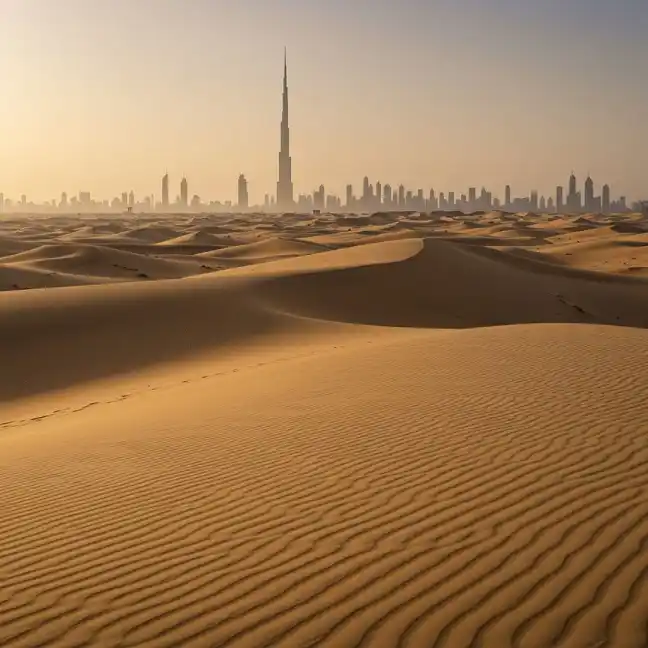
Dubai’s Desert Landscape: Insights into the Unique Ecosystem and Geological Features 2026
Table of Contents
Dubai is often celebrated for its glittering skyscrapers, luxury malls, and futuristic innovations. But just beyond the cityscape lies a stark and equally fascinating environment—Dubai’s desert landscape.
In 2025, as sustainable travel and eco-conscious tourism grow in popularity, there has never been a better time to delve deep into the ancient sands that shaped this remarkable city.
From unique geological features to thriving desert ecosystems, Dubai’s desert is a hidden world waiting to be explored.
Formation and Geological History of Dubai’s Desert
Dubai's Desert Landscape: Insights into the Unique Ecosystem and Geological Features 2026 5
The story of Dubai’s desert landscape begins millions of years ago. The region was once submerged under an ancient ocean.
As the waters receded, wind and time sculpted a sweeping expanse of sand and rock, giving birth to the vast Arabian Desert.
The most common features in this terrain are the rolling dunes, formed by wind action over millennia. Dubai’s desert includes various types of dunes, such as:
Linear dunes: Long ridges that run parallel to the prevailing wind
Crescent or barchan dunes: Shaped like a crescent moon
Star-shaped dunes: Rare and formed by multidirectional winds
Dubai’s desert landscape also includes sabkhas (salt flats), gravel plains, and fossilized marine beds. This complex geography adds to the mystique and scientific interest in Dubai’s desert regions.
Climate and Weather Patterns in the Desert
Dubai’s desert landscape is defined by its arid, extreme climate. In the summer, temperatures soar past 45°C (113°F), while winter nights can drop 10 °C (50°F) below.
Sandstorms are a frequent phenomenon, caused by strong northwesterly winds known as “Shamal.” These storms shift the shape of dunes, affect visibility, and play a role in maintaining the desert’s dynamic nature.
Interestingly, climate change is subtly altering these patterns. Winters are becoming slightly milder, and the rainy season has shifted in timing, influencing how plants and animals adapt in the region.
The Unique Desert Ecosystem in Dubai
Often perceived as barren, Dubai’s desert landscape is anything but lifeless. Beneath the sun-scorched surface lies an intricate web of life that has adapted to survive with minimal water and searing temperatures.
Water conservation is critical. Many plants have developed deep root systems and thick leaves to store moisture.
Animals such as reptiles and small mammals are nocturnal, venturing out only during cooler nights.
Microorganisms in the soil contribute to nutrient cycling and play a vital role in the desert’s sustainability.
Human impact has posed challenges, but recent conservation efforts aim to strike a balance between development and ecosystem protection.
Iconic Flora and Fauna of the Dubai Desert
Dubai’s desert hosts a surprisingly diverse array of life. The flora and fauna of the Dubai desert include species uniquely suited to the harsh climate.
Notable Flora:
Ghaf Tree: The national tree of the UAE, capable of surviving on groundwater reserves.
Desert Hyacinth: A parasitic plant with striking purple flowers.
Date Palms: Cultivated in oases, they play a crucial role in agriculture and tradition in Dubai’s desert landscape.
Notable Fauna:
Arabian Oryx: A graceful antelope brought back from near extinction.
Sand Fox: A nocturnal predator with large ears to dissipate heat.
Spiny-tailed Lizard (Dhub): Commonly spotted basking in the morning sun.
Birds: Including falcons, eagles, and migratory species that rest in the desert during seasonal journeys.
Cultural and Human Interaction with the Desert
For centuries, the desert was home to Bedouin tribes who adapted a nomadic lifestyle centered around survival, resourcefulness, and deep respect for nature.
Their knowledge of water sources, weather patterns, and animal behavior was unparalleled.
In Dubai’s desert landscape, traditional elements still play a part in modern desert experiences:
Camel riding remains symbolic of desert heritage.
Falconry, a historical hunting practice, has become a cultural sport.
Desert camping revives traditional living under the stars, often combined with modern comforts.
Desert Conservation in the UAE
Realizing the fragility of the Dubai desert landscape, the UAE has taken significant steps toward environmental preservation:
Dubai Desert Conservation Reserve (DDCR): The UAE’s first national park, covering over 225 square kilometers, is home to protected wildlife and regulated safari activities.
Al Marmoom Desert Conservation Reserve: One of the largest unfenced reserves in the region, promoting eco-tourism and sustainable recreation.
Wildlife protection laws and public awareness campaigns have also helped reduce poaching and habitat destruction.
These efforts ensure that Dubai’s natural treasures are safeguarded for generations to come.
Photography and Adventure in the Dubai Desert
For travelers and photographers, Dubai’s desert landscape is a dream. The changing light over the dunes offers magical moments for sunrise and sunset photography.
Popular activities include:
Desert safaris: Combine dune bashing, wildlife watching, and cultural performances.
Nature walks and camel treks: Eco-friendly ways to explore the terrain.
Stargazing: With minimal light pollution, the desert offers one of the best night skies in the region.
Photo tips:
Use a polarizing filter to reduce glare.
Capture wildlife from a distance with zoom lenses.
Golden hour (shortly after sunrise or before sunset) is best for dune photography.
Conclusion
While Dubai is often associated with urban luxury, its soul lies in the sand. Dubai’s desert landscape is not just a backdrop but a living, breathing environment steeped in history, ecology, and cultural importance.
As we step into 2025, there’s a growing awareness of preserving and understanding this magnificent terrain.
Whether you’re an adventurer, a nature lover, or a curious traveler, exploring the desert is an essential part of experiencing the real Dubai.
Go beyond the glass towers—into the heart of the dunes, where stories of survival, beauty, and evolution are etched in every grain of sand.
FAQs
Q1: Can you visit Dubai’s desert without a tour?
Yes, but it’s recommended to go with an experienced guide or a licensed safari provider to ensure safety and environmental compliance.
Q2: Is the Dubai desert safe for wildlife watching?
Absolutely. Designated reserves offer safe zones for observing animals without disturbing their natural habitat.
Q3: What is the oldest part of Dubai’s desert?
The Al Marmoom area features some of the most ancient dune formations and archaeological sites.
Q4: Are there any endangered species in the Dubai desert?
Yes, the Arabian oryx was once endangered but has been successfully reintroduced through conservation programs.
Q5: What should I bring for a desert visit?
Sunscreen, water, light clothing, and a camera are essentials. If camping, bring layers for cooler nights in Dubai’s desert landscape.
Abu Dhabi is more than just a bustling capital with iconic architecture and luxury malls — it’s also home to some of the UAE’s most underrated natural wonders. Beyond the desert dunes and city lights lies a collection of hidden islands perfect for camping, kayaking, BBQs, and raw outdoor adventure. Whether you’re a thrill-seeking tourist or a local looking for a weekend escape, this 2026 guide unveils the top hidden islands in Abu Dhabi to explore for an unforgettable camping and adventure experience. Why Choose Island Camping in Abu Dhabi? Island camping in the UAE offers a rare chance to disconnect from the noise and reconnect with nature. Unlike typical hotel stays, these islands provide: For those who already love dune bashing, camel rides, or camping in Bedouin-style desert camps, exploring Abu Dhabi’s islands provides a refreshing coastal twist to your UAE adventures. Top Hidden Islands in Abu Dhabi for Camping & Adventure Here are five off-the-beaten-path islands perfect for your next outdoor adventure in the UAE. 1. Bahrani Island – The Adventure Seeker’s Haven Bahrani Island (also known as Al Bahrani) is a favorite among locals for its raw, untouched beauty. Activities: How to Get There: Good to Know: Best Time to Visit: 2. Al Maya Island – Luxury Meets Adventure While Al Maya is more developed, it’s still considered a hidden gem for weekday campers and day-trippers. Activities: Access: Entry Fee: Insider Tip: Also Read: Al Seef Dubai: How to Reach, Activities, Tips, Heritage Hotel 3. Shuweihat Island – Wild Beauty and Unique Rock Formations Shuweihat Island is a remote and mysterious destination, perfect for those who crave solitude and breathtaking scenery. Activities: How to Reach: Safety Tip: 4. Al Mirfa Island – Quiet Family-Friendly Escape Close to Al Mirfa town, this island is a low-key family camping destination. Things to Do: Access: Ideal For: 5. Saadiyat Sandbar (Near Saadiyat Island) – Hidden in Plain Sight A lesser-known sandbank off Saadiyat’s coast, this spot is ideal for day camping and quick nature retreats. Popular Activities: How to Get There: Regulations: Also Read: Aventura Parks: Dubai, How to Reach, Thrilling Activities How to Reach These Hidden Gems Planning a desert safari before or after your island trip? Book thrilling rides with us now. Safety, Accessibility & Regulations Before heading out: Best Season for Island Camping in Abu Dhabi 🇦🇪 Cultural Tips & Local Etiquette These small gestures help you enjoy your stay while respecting the UAE’s natural and cultural heritage. Also Read: Khalifa Park: Abu Dhabi, How to Reach, Ticket Price, Library Estimated Costs Item Cost Range (AED) Boat Rental (per hour) 300 – 500 Kayak/SUP Rental 100 – 150 Entry Fees (if any) 0 – 150 Camping Gear (Rental) 100 – 250/day Looking for affordable adventures? Try our budget-friendly desert safari tours at Desert Buggys Dubai. The island camping circuit in Abu Dhabi attracts a specific kind of traveller — one who wants to escape the city without going far, and who values natural environments over tourist infrastructure. Those same visitors often make the trip to the Dubai desert at some point during a longer UAE stay. The two landscape experiences complement each other well, and the logistics are straightforward: the drive from Abu Dhabi to the main dune areas is around 90 minutes. The desert safari with dune buggy Dubai format — which includes a camp dinner under desert skies — has obvious appeal for those who’ve already camped on the islands. For a broader overview of what the desert offers, the things to do in the Dubai desert page covers all activities. Related island guides worth bookmarking: Al Fahid Island tours and packages and Al Lulu Island Abu Dhabi. FAQ: Camping & Adventure on Abu Dhabi Islands 1. Is wild camping allowed in Abu Dhabi? Yes, but it depends on the location. Islands like Bahrani and Shuweihat are open for wild camping, but always check for local restrictions. 2. Do I need a permit to camp on these islands? Most do not require permits, but overnight camping in protected areas is restricted. Check with the Environment Agency – Abu Dhabi (EAD). 3. Are these islands family-friendly? Yes! Especially Al Maya and Al Mirfa Island, which offer safer waters and easier access. 4. Can I combine the desert safari and the island trips? Absolutely. Many travelers enjoy dune bashing, quad biking, and then relax on the coast the next day. Explore combo packages here. 5. Is it safe to kayak to the islands? Yes, for strong paddlers. But always check weather forecasts, tide conditions, and wear life jackets. Final Thoughts: Escape the City, Discover the Wild From the golden dunes of Dubai to the crystal-clear shores of Abu Dhabi, the UAE offers endless possibilities for adventure. These hidden islands aren’t just escape routes — they’re a reminder of the region’s rich natural diversity and serenity. If you’re planning your next weekend getaway or UAE road trip, be sure to balance your itinerary with both the desert and the sea. 👉 Ready for Your Next Adventure? Start with the desert — end with the islands.Book your Desert Safari Dubai experience. More Abu Dhabi Island & Desert Guides Things to Do in the Dubai Desert — Full Activity Planning Guide Top Al Fahid Island Tours & Packages — 2026 Al Lulu Island Abu Dhabi — Activities & Camping Guide Desert Safari Dubai with Dune Buggy — Desert Camp Evenings
Are you planning a desert buggy ride in Dubai? If so, know that Dubai is known for its modern skyline, luxurious lifestyle, and stunning deserts. Among the many unique activities in this fascinating city, desert buggy rides stand out as a thrilling adventure. Whether you’re an adrenaline junkie or someone looking for an unforgettable desert experience, riding a desert buggy in Dubai is something you should add to your bucket list in 2025. But when is the best time to go on a desert buggy ride in Dubai? The answer depends on various factors, including weather conditions, time of day, and personal preferences. This guide will help you understand the optimal timings for a desert buggy ride in Dubai, ensuring you get the most out of this thrilling experience. Timing a desert buggy session correctly in Dubai makes the difference between a genuinely enjoyable ride and one spent fighting heat exhaustion by the second dune. The desert surrounding Dubai is accessible year-round, but the sweet spot — October through March — is when you’ll find firm sand, manageable temperatures, and the best visibility for photography. If you’re still deciding on your format, our complete dune buggy Dubai guide covers all available session types with current pricing. The morning vs evening dune buggy Dubai comparison is worth reading before you book — it explains exactly how the time of day affects your experience, from temperature to crowd levels to the quality of light. If you want the buggy session bundled with a desert camp dinner, the desert safari with dune buggy Dubai packages are the most popular combined format and run almost exclusively in the evening window. First-timers should also check the first-time desert buggy rider tips — preparation makes early morning sessions far more comfortable. 1. The Best Time of Year for Desert Buggy Rides When planning your desert buggy ride in Dubai, the time of year plays a crucial role in determining how enjoyable the experience will be. Dubai’s desert climate varies significantly throughout the year, and it’s essential to choose the right season for your ride. Winter (November to March) The winter months in Dubai (November to March) offer the best weather for a desert buggy ride. With temperatures ranging from 20°C to 28°C (68°F to 82°F), you’ll experience the perfect balance between warmth and cool breezes. This season is ideal for outdoor adventures, as the desert is not overwhelmingly hot, allowing you to enjoy the ride comfortably. Winter is also a peak tourist season, so you can expect more crowds, but the experience is worth it. Summer (June to August) Summer in Dubai can be extremely hot, with temperatures often exceeding 40°C (104°F) or even higher. A desert buggy ride in Dubai in such heat can be a challenge, especially during the day. However, if you choose to ride in the summer, it’s best to do so during the early morning or evening hours when temperatures are more tolerable. It’s crucial to be well-prepared with plenty of water, sunscreen, and protective clothing if you plan to brave the desert heat during the summer months. Spring and Fall (April, May, September, October) The spring and fall months offer a more moderate climate compared to the extreme heat of summer and the cool temperatures of winter. Expect temperatures to range between 30°C and 38°C (86°F to 100°F). While the weather is more bearable, the desert still experiences some heat, especially as the day progresses. If you’re looking for a balance between fewer crowds and relatively pleasant weather, spring and fall are great options for a desert buggy ride. 2. Best Time of Day for a Desert Buggy Ride in Dubai While the time of year is essential, the time of day can also significantly impact your desert buggy experience. Dubai’s desert offers unique beauty at different times of the day, and choosing the right time can elevate the entire adventure. Morning Rides (Sunrise to Mid-morning) The morning hours (from sunrise to around 10 a.m.) are the most popular time for a desert buggy ride in Dubai. The temperatures are cooler, making it more comfortable to race through the dunes. The early morning ride offers a serene and peaceful desert experience with a stunning view of the sun rising over the sand. This time is also great for photography, as the soft light creates beautiful shadows across the dunes. Additionally, morning rides tend to be less crowded, giving you a more personal and intimate experience with the desert. The cooler temperatures and quieter atmosphere make it an ideal time for both beginners and seasoned adventurers for a desert buggy ride in Dubai. Evening Rides (Late afternoon Sunset) For those who prefer a more vibrant and breathtaking desert experience, the evening (late afternoon sunset) is the best time for a desert buggy ride. As the temperature begins to drop, the desert becomes more comfortable, and the golden hues of the setting sun add a magical touch to the landscape. Evening rides are perfect for photographers looking to capture the desert in its most stunning light during your desert buggy ride in Dubai. Sunset also adds an element of tranquillity and beauty to the ride, making it one of the most memorable experiences. While evening rides tend to be more popular, they remain an excellent option for those who prefer a thrilling desert buggy ride in Dubai, accompanied by the added beauty of the desert sunset. Midday Rides Midday rides (from 12 p.m. to 3 p.m.) are generally not recommended due to the intense desert heat. The sun is at its peak, making the conditions uncomfortable and potentially unsafe. The temperature can easily exceed 40°C (104°F), and the heat could lead to dehydration, exhaustion, or heatstroke. If you must go on a midday ride, make sure to stay hydrated, wear appropriate clothing, and take all necessary precautions to keep cool. 3. Considerations Based on Weather and Seasons While Dubai’s desert is known for its dry and hot conditions, certain weather factors can impact
If you’re exploring the vibrant landscapes of the UAE and planning your next adventure beyond the golden dunes of Dubai, don’t overlook the stunning islands near Abu Dhabi. These islands are cultural gems, nature reserves, luxury retreats, and adventure hubs all rolled into one. In this guide, we’ll dive deep into the best islands to visit near Abu Dhabi — including Al Lulu Island, Saadiyat Island, and more hidden treasures that every traveler (or local explorer) should experience. 🌴 Why Explore Islands Near Abu Dhabi? While desert adventures like dune bashing, quad biking, and camel rides are must-do experiences (check our Desert Safari Dubai Packages), the islands near Abu Dhabi offer a refreshing contrast — azure waters, cultural attractions, marine wildlife, and beachside luxury. Whether you’re looking for family fun, romantic getaways, or cultural heritage, these islands provide the perfect day trip or weekend escape. 🏝️ Top Islands Near Abu Dhabi You Shouldn’t Miss 1. Al Lulu Island – The Untouched Paradise Al Lulu Island is located just off the coast of Abu Dhabi city. While the island remains undeveloped and somewhat mysterious, it’s still a top pick for those seeking a quiet escape. 🌟 What to Expect: ⚠️ Note: This island is currently under restricted development. Visitors typically access it via private boat tours or organized excursions. Also Read: Al Lulu Island: Abu Dhabi, How to Reach, Activities, Camping 2. Saadiyat Island – Culture Meets Coastal Charm Saadiyat Island is where Abu Dhabi fuses world-class art, beach luxury, and natural conservation. 🌟 Highlights: 🏖️ Activities: 🛡️ Safety & Tips: 3. Yas Island – Entertainment Capital of the UAE While technically man-made, Yas Island has become a bucket-list destination for thrill-seekers and families. 🎢 Attractions Include: 🚤 Bonus: Yas Island also offers jet skiing, sunset cruises, and luxury dhow dinners, a great combo for those who love both water and adventure. If you’re into adrenaline-fueled rides like dune bashing, check out our Dubai desert safari experiences — similar thrill, different terrain! 4. Delma Island – History and Heritage A short ferry ride away, Delma Island is one of the oldest inhabited islands in the UAE and offers a rich cultural experience. 🏺 Known For: Perfect for travelers looking to understand the Bedouin lifestyle and Emirati heritage, Delma is like stepping into the past. 5. Al Reem Island – Urban Island Living Connected to the mainland via bridges, Al Reem Island is more residential but still offers scenic walks, cafes, and beach clubs for a laid-back day. 💡 Insider Tip: Rent a kayak and explore the Reem Island‘s mangroves for a tranquil nature escape right in the city. 🚤 How to Get to These Islands 💰 Pricing Overview Island Entry Cost Activities (approx) Al Lulu Varies (by boat) AED 200+ for private tour Saadiyat AED 25 (beach) Museum: AED 60+, Yoga: AED 50+ Yas Island Varies by park AED 295+ (theme park access) Delma Island Free entry Ferry: AED 100 round trip Al Reem Island Free Kayak rental: AED 100+ 🧭 Tips for Island Hopping in Abu Dhabi 🧕 Cultural Etiquette & Safety Safety is generally excellent, but always follow posted signs and guidance when swimming or exploring remote areas. ❓ FAQ – Visiting Islands Near Abu Dhabi 1. Can you visit Al Lulu Island without a tour? Not currently. Al Lulu Island is under development, and access is typically via organized boat trips. 2. Is Saadiyat Island suitable for families? Absolutely. It’s known for its clean beaches, family-friendly resorts, and museums. 3. Are there desert safari packages that include island visits? Yes! Some tours include combo packages that blend dune experiences with island exploration. Check for details. 4. What’s the best island for culture and history? Delma Island offers the most authentic glimpse into Emirati culture and history. 5. Do any of these islands offer camel rides? Camel rides are more common on the mainland or in Bedouin-style desert camps, available through our desert safari packages. 🏁 Final Thoughts If you’re planning a trip to Abu Dhabi or already exploring the UAE, don’t stop at the city limits. These incredible islands combine natural beauty, cultural depth, and thrilling activities for an unforgettable adventure. And if you’re craving that classic Dubai desert experience — from dune bashing to quad biking — we’ve got you covered at Desert Buggys. So why not pair sun and sand with sea and culture on your next UAE journey?
Photo Gallery
Captured Moments
See the magic through our guests' eyes on their dune buggy Dubai adventures. Every adventure tells a story, and every moment is worth remembering forever.
Book Your Dune Buggy Ride in Dubai
Ready to experience the thrill? Our dune buggy Dubai tour is available daily with flexible timings, free pickup options, and professional guides. You’ll enjoy stunning landscapes, endless dune trails, and memories worth keeping forever on one of the best dune buggy rides in Dubai.
TripAdvisor & Google Verified Desert Tour Operator in Dubai
Don’t just take our word for it. Here’s what our guests have to say about their dune buggy Dubai desert adventures.
Verified Reviews Only
Authenticated Accounts
Google
Verified
Simple and quick consultation! It was strange for me in Dubai that someone would arrive on time! It was a pleasant surprise! friendly driver and the Buggy tour was an incredible experience! This is not the first time that we are in Dubai and doing something like this, but free field trips are rare! It was awesome ! I recommend to everyone !
Great experience, rented buggies for an hour. Would be maybe more fun if they allowed to go free on at least flat part of the desert. Otherwise it was beautiful and fun experience.
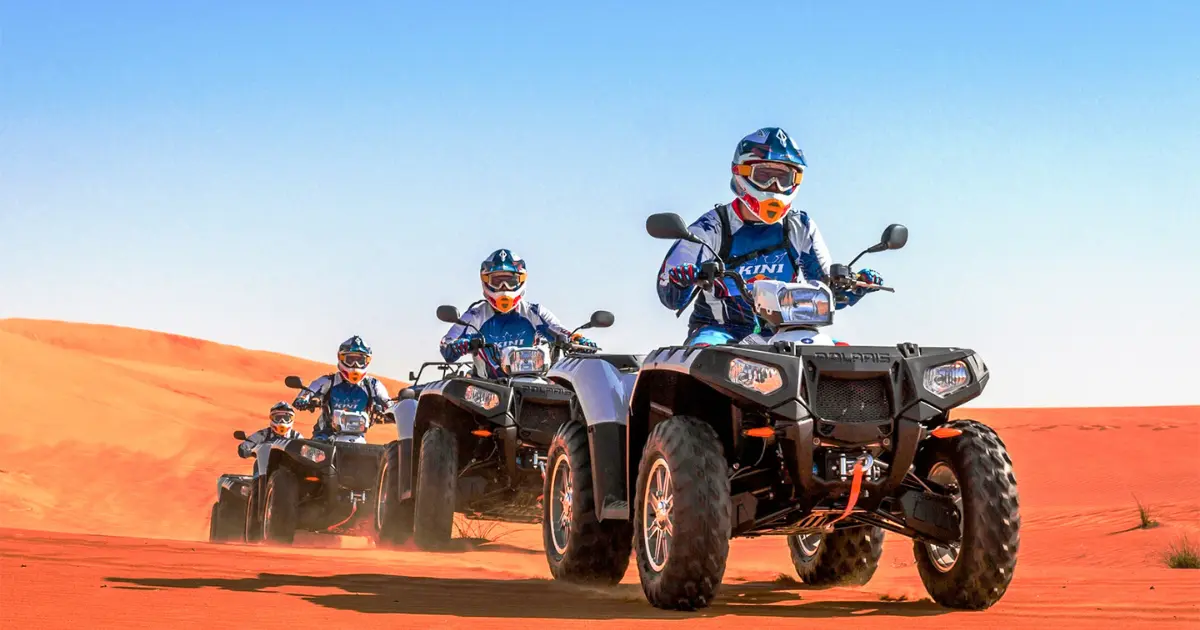
Our désert quad bike experience was amazing, tour guide Azmat was lovely and super helpful. Would definitely recommend to anyone looking to do quad biking in Dubai!
All reviews are verified through the respective platforms’ authentication systems
Frequently Asked Questions
Quick Information
Operating Hours
Daily: 6:00 AM - 06:00 PM
Safety First
100% safety record
Pickup (optional)
All Dubai hotels, shared or private pickup
Group Tours
For group tours, contact us
Still Have Questions?
Chat & Book Instantly on WhatsApp
+971 55 467 4871
WhatsApp & Call Available
Ready for Your Desert Adventure?
Feel the power of the Red Dunes beneath your wheels. Whether you’re chasing thrill or serenity, our dune buggy Dubai rides turn every moment into a memory.
Get in Touch
+971 55 467 4871
Available 24/7
info@desertbuggys.com
Quick response guaranteed
Peak season bookings recommended 48hrs in advance Limited slots per day — book now to secure your ride!
About
Desert Buggys is a Dubai-based dune buggy and quad bike tour operator offering self-drive and guided experiences in Lahbab Red Dunes, UAE. We provide Can-Am and Polaris buggies, safety equipment, and optional hotel pickup for visitors seeking a reliable and professionally managed desert adventure.