
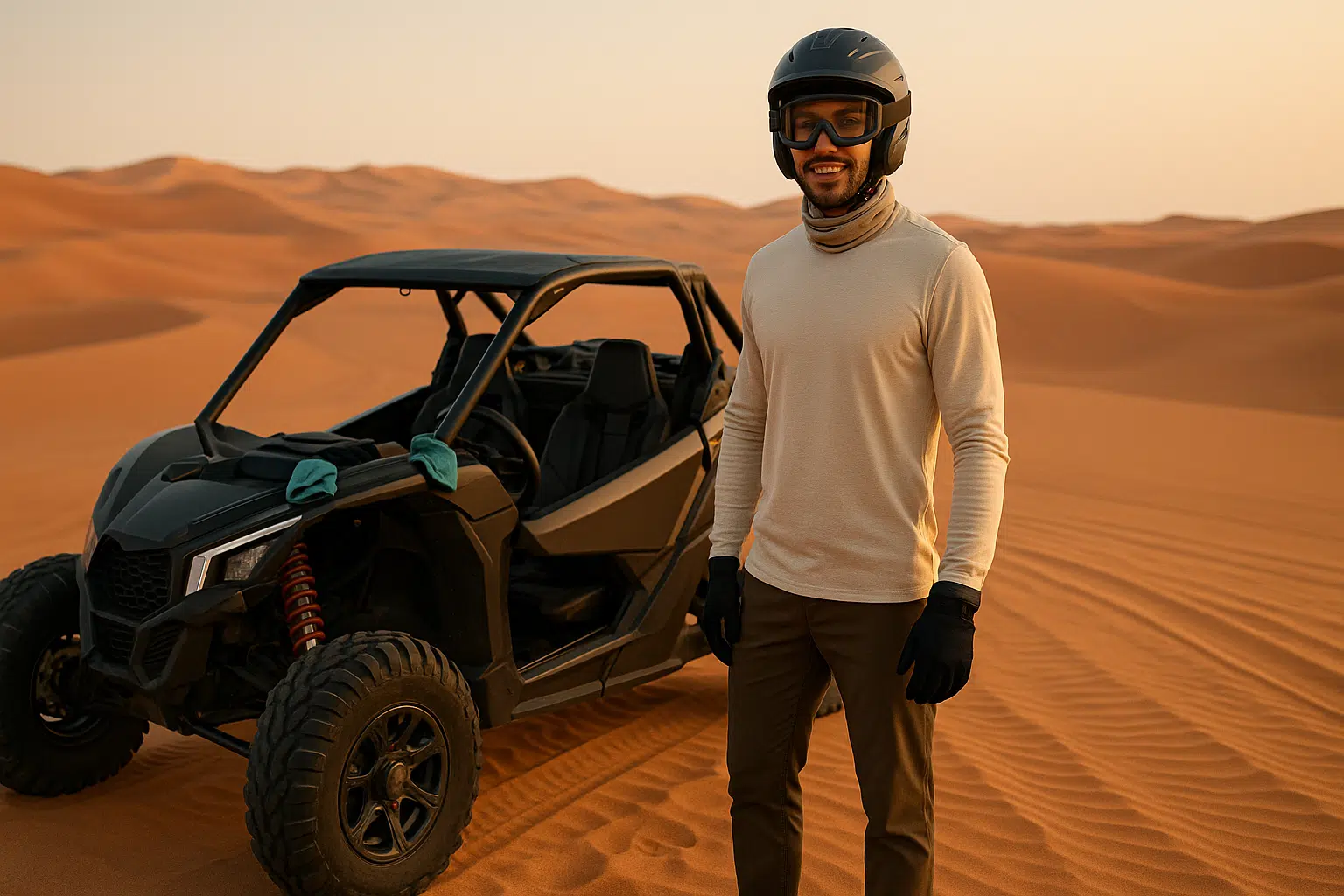
Table of Contents: What to Wear on a Dune Buggy in Dubai for Safety and Comfort Why Clothing Matters for Dune Buggy Rides Dubai Desert Weather and Best Ride Timings Best Fabrics and Colors for Desert Comfort Essential Clothing: What to Wear on a Dune Buggy in Dubai Layering Tips for Morning and Evening Rides Footwear Rules for Safe Dune Buggy Driving Protective Safety Gear You Must Use What Not to Wear on a Dune Buggy Men’s Outfit Guide for Dune Buggy Rides Women’s Outfit Guide for Dune Buggy RidesSummer vs Winter Dressing for Dune Buggy Dubai Cultural Dressing Tips for Desert Tours Family and Kids Clothing Tips for Dune Buggy Rides Final Tips for Wearing on a Dune Buggy What to Wear on a Dune Buggy in Dubai for Safety and Comfort: Your Complete Guide What to wear on a dune buggy in Dubai is not about style. It is a safety choice that can affect your comfort and control in the desert. The dunes may look calm, but once the buggy starts moving, heat, sand, and wind hit fast. The wrong outfit can turn a fun ride into a painful experience. I’ve seen riders show up in shorts and sleeveless tops, only to regret it minutes later when hot sand hits their skin and the sun starts burning hard. Knowing what to wear on a dune buggy in Dubai helps you stay protected from sunburn, flying sand, and sudden temperature changes. Proper clothing keeps your body covered, helps you grip controls better, and lets you enjoy the ride without constant discomfort. In this guide, you’ll learn exactly what to wear on a dune buggy so you stay protected, enjoy the ride, and focus on the thrill instead of the discomfort. Before you book your tour or zip up your helmet, read this first ever info-based content that it could save your skin, literally. Why Your Outfit Actually Matters Out Here Most riders don’t realize how crucial clothing choices are until it’s too late. Take the woman who wore a tank top and shorts on her first dune buggy Dubai adventure. After thirty minutes across Al Badayer’s dunes, her arms were raw and scratched. Sand traveling at 50+ km/h acts like an abrasive blast against exposed skin. Or consider the rider in all-black clothing last July. Dark jeans, black shirt—he was sweating before leaving the staging area. By the time the group hit the main dunes, heat exhaustion forced him to cut the tour short. The right desert safari dress does three essential things: Blocks the Sun: Dubai’s UV radiation causes sunburn in just 15 minutes. Proper coverage prevents painful burns that ruin the rest of any vacation. Stops Sand Penetration: During sharp turns and high-speed runs, sand flies everywhere. Quality clothing keeps abrasive particles from irritating skin and causing painful chafing. Shows Cultural Respect: Tours often stop at Bedouin camps and heritage sites. Modest clothing honors Emirati customs and makes these cultural moments more meaningful. Beyond safety, proper gear makes the experience actually enjoyable. No constant adjusting, no sand in uncomfortable places, no sunburn anxiety. Just pure focus on conquering massive dunes and experiencing the Arabian desert. Understanding Dubai’s Desert Weather and Timing Dubai’s desert weather isn’t predictable or forgiving. Booking a 2 PM dune buggy ride in July means dealing with steering wheels too hot to grip and sand surfaces reaching 50°C. The desert throws different challenges depending on the season and the time of day. Summer temperatures soar to a blistering 50°C, while winter mornings can drop to a surprisingly cool 15°C. Sandstorms appear within minutes, coating everything in fine dust and reducing visibility dramatically. Most dune buggy rides in Dubai schedule tours during golden hours means early morning or late afternoon, when temperatures become bearable and visibility peaks. This timing isn’t just for beautiful photos; it’s essential for safety and comfort. Season Temperature Range Best Tour Time Summer (Jun-Sep) 40-50°C 5-7 AM, 5-7 PM Winter (Dec-Feb) 15-25°C 8-10 AM, 3-6 PM Shoulder (Mar-May, Oct-Nov) 25-38°C 7-9 AM, 4-6 PM Critical weather factors to consider: Wind speeds above 40 km/h create limited visibility and increase sand exposure Morning tours start cool but heat up quickly—layers get stripped off by 9 AM Evening rides need sun protection for the first 90 minutes until the sun drops behind the dunes The clothing strategy for a dune buggy Dubai adventure changes dramatically based on booking time. A 6 AM winter tour requires thermal layers that would be torture during a summer sunset ride. Evening tours experience 15-20°C temperature drops after sunset, making packable jackets essential. Best Fabrics and Colors for Desert Comfort Fabric choice can make or break a desert adventure. Black polyester shirts become sweat sponges within twenty minutes, trapping heat and moisture against the skin. When deciding what to wear on dune buggy Dubai excursions, breathable materials are non-negotiable. Cotton and linen allow sweat evaporation, which is essential when gripping handlebars in 45°C heat. White, beige, tan, and khaki reflect sunlight, while the light-colored shirts stay 5-7°C cooler than dark fabrics, the only difference that becomes critical when ambient temperatures already exceed 45°C. Recommended fabrics for desert safari dress: Breathable cotton or linen for maximum airflow Moisture-wicking athletic synthetics that dry quickly UPF-rated materials offering built-in sun protection Lightweight blends that combine breathability with durability Fabrics to avoid: Heavy denim that traps heat like insulation Non-breathable polyester that prevents sweat evaporation Dark-colored materials that absorb solar radiation Thick fabrics that restrict movement and airflow The desert safari dress approach should combine functionality with smart color science. Light-colored, breathable fabrics keep riders comfortable while darker, heavier materials create genuine health risks. Essential Clothing: What to Wear on a Dune Buggy in Dubai What to wear on a dune buggy in Dubai depends heavily on the season. Summer rides require breathable fabrics and sun protection, while winter rides need light layers for cold mornings and windy evenings. The dune buggy Dubai desert riding demands smart
Best Time for Dune Buggy Dubai: Weather, Safety Tips & Prices
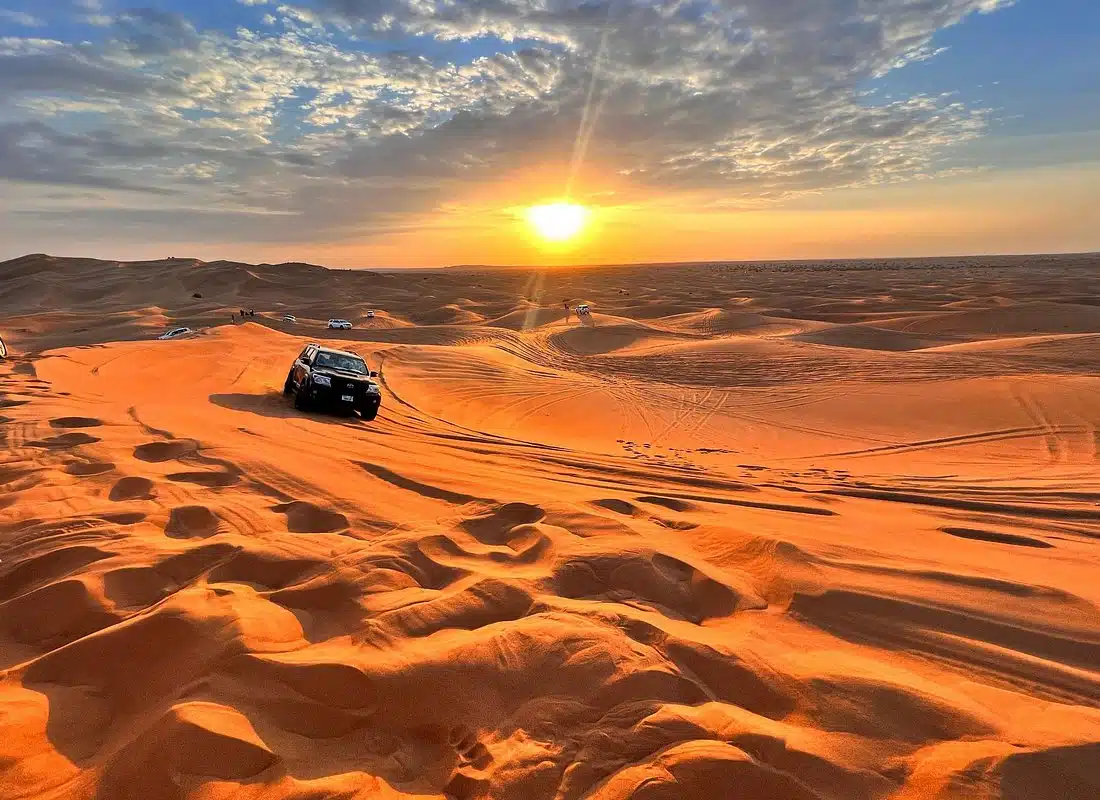
Best Time for Dune Buggy in Dubai: Weather, Safety Tips & Prices The best time for dune buggy Dubai is key for a fun and safe desert ride. Early morning (6–8 AM) or late afternoon (4–6 PM) gives cooler temperatures, fewer crowds, and beautiful desert views. Planning your ride at the right time helps you enjoy the adventure safely, stay hydrated, and get the best photos of Dubai’s golden dunes. In this article, we will know the exact time and duration for the Dune Buggy in Dubai, which will not only inform you of the better months for it, but also help you decide what to wear, how to stay there, and what safety precautions you must adopt. Essential Safety Tips for Renting and Driving a Desert Buggy in Dubai Before your dune buggy ride in Dubai, always check the safety gear and follow your guide’s instructions Choose licensed operators only. Stick with companies approved by Dubai’s tourism authorities or those operating in protected areas like the Dubai Desert Conservation Reserve. Per DTCM guidelines, these operators meet strict safety standards and maintain their fleet properly. Check the vehicle’s age. Rent buggies that are less than 2 years old. Newer vehicles have better safety features and are less likely to break down mid-dune. Verify comprehensive insurance. Make sure your rental includes insurance that specifically covers off-road and dune driving, while not all policies do. Wear RTA-approved helmets. Don’t settle for basic helmets. RTA-approved gear meets UAE safety standards and offers proper protection during rolls or impacts. Attend the safety briefing. Operators provide these for a reason. Understand the hand signals, understand roll-over procedures, and know your buggy’s limits. Follow your guide. Experienced guides know which dunes are safe and which ones to avoid. Stick to designated routes, and you’ll have a much better experience. Why Safety Matters When Driving Dune Buggies in Dubai Dubai’s desert looks smooth from a distance, but it hides real hazards. Sand traps can swallow wheels in seconds, sudden drops appear without warning behind dune crests, and soft patches cause rollovers when you least expect them. Excessive speeding is one of the most common causes of dune buggy incidents, mostly because riders misjudge their vehicle’s handling on sand versus pavement. The difference between an epic adventure and a trip to the emergency room often comes down to respecting the terrain. Desert buggies are built for thrills, not recklessness. Follow safety protocols, listen to your guide’s instructions, and keep speeds reasonable for conditions. The goal is walking away with incredible memories and photos. Rather, not injuries that cut your Dubai trip short. Know What to Do in an Emergency Even with precautions, things can go wrong in the desert. Here’s how to handle common situations: If your buggy breaks down or gets stuck: Use your radio to signal your guide immediately. Stay with your vehicle, and don’t wander off trying to find help. The desert’s disorienting, and guides can locate your buggy faster than they can find you on foot. During a rollover: Stay calm and keep your seatbelt fastened until the vehicle stops moving completely. Exit only when it’s safe and move away from the buggy. For minor injuries: Most operators carry first aid kits. Flush sand from cuts with bottled water before bandaging. If someone ingests sand, have them rinse their mouth and sip water slowly. Heat exhaustion symptoms: Move to shade (under the buggy if needed), drink water, and alert your guide. Don’t try to push through dizziness or nausea. Stay Hydrated and Dress for Desert Conditions During the best time for dune buggying in Dubai, the desert can be very dry. Carry at least 3 liters of water per person. The UAE desert drains moisture faster than you realize, even during cooler months. Drink consistently, not just when you’re thirsty, since dehydration symptoms hit hard once they start. Clothing matters. Wear loose, breathable cotton or moisture-wicking fabrics that allow airflow. Tight synthetic clothes trap heat and sweat. Long sleeves actually help by blocking sun exposure while keeping you cooler than bare skin. For modest dressing, lightweight sports abayas or activewear designed for UAE climates work perfectly. Cover your head. A wide-brimmed hat or cap protects against the sun and keeps sand out of your hair. Sunglasses are essential as the desert glare is intense, and flying sand stings. Closed-toe shoes only. Always avoid the sandals, but you need ankle support and protection from hot sand and pedals. Sneakers or hiking boots work best. Sun protection: Apply SPF 50+ sunscreen before gearing up, and reapply during breaks as the helmets and goggles don’t cover everything. Follow Your Desert Guide at All Times Your desert guide isn’t there just for show. Rather, they’re your lifeline to a safe and thrilling experience. Guides know every meter of the terrain, including which dunes look rideable but hide dangerous drop-offs or soft sand pockets that’ll flip your buggy in seconds. Speed limits exist for good reason. Most operators enforce a 30 km/h maximum in technical sections, though straighter stretches allow faster runs. These aren’t arbitrary numbers, but they’re based on years of real incidents and near-misses in Dubai’s desert conditions. Guides also read weather shifts you might miss. Wind patterns change how sand behaves, affecting traction and visibility. When your guide signals to slow down or change routes, there’s always a reason behind it. Staying in formation keeps the group together and ensures help is seconds away if someone gets stuck or injured. Breaking off solo might seem adventurous, but it’s the fastest way to turn your desert adventure into a rescue operation. Always Wear Safety Gear Dubai’s licensed operators provide mandatory safety equipment for every rider, while there’s zero room for negotiation on this. Dune buggy safety gear in Dubai follows strict UAE rental standards to protect you from the desert’s unique hazards. Required safety equipment DOT or RTA-approved helmets: Full-face helmets offer the best protection against sand, impacts, and rollovers Goggles or visors: Essential for keeping
Best Time of Year for Dune Buggy Dubai Adventure (2025 Guide)
Best Time for Desert Safari and Dune Buggy Adventures in Dubai Planning a desert trip is exciting, but timing makes all the difference. The best time for desert safari and dune buggy adventures in Dubai depends on the weather, comfort, and the kind of experience you want. Dubai’s desert is open all year, yet cooler months offer smoother rides, clearer views, and more energy for long sessions on the sand. To find the ultimate adventure, remember the best time for dune buggy Dubai as you plan your trip. From golden winter mornings to calm sunset evenings, the right season can turn a good trip into a great one. Riders enjoy better grip on the dunes, safer driving conditions, and more time outdoors without heat stress. Families, first-time visitors, and thrill seekers all benefit from choosing the right window. Understanding Dubai’s Desert Climate Dubai has a hot desert climate, which means the weather plays a big role in outdoor activities. Summers are long and intense, with daytime temperatures often crossing 40°C. The sand becomes very soft, and heat can drain energy quickly. Winters, on the other hand, are mild and comfortable, making them ideal for spending hours in the desert. From October to April, days are warm but pleasant, and nights are cool. This is when most people enjoy dune drives, desert safaris, and open-air activities. Wind levels are usually low, which helps with visibility and smoother rides. Rain is rare throughout the year, so plans are rarely canceled. Because of these clear seasonal changes, choosing the best time for desert safaris and dune buggy adventures in Dubai is key to enjoying the desert safely and comfortably. Best Times of the Year for a Desert Safari Choosing the right season can shape your entire desert experience. Weather, comfort, and safety all change throughout the year, so knowing when to go helps you enjoy the dunes without stress. While desert safaris run year-round, some months clearly offer better conditions for longer rides, outdoor activities, and relaxed evenings in the sand. The best time for desert safari and dune buggy adventures in Dubai is mostly linked to cooler temperatures and stable weather, which allow more time outdoors and smoother desert driving. Winter Season (October to April) Winter is widely considered the best season for desert safaris in Dubai. Daytime temperatures are pleasant, usually ranging from mild to warm, while evenings feel cool and refreshing. This makes it easier to enjoy dune bashing, camel rides, sandboarding, and cultural shows without feeling tired or overheated. The sand is firmer during these months, which improves driving control and comfort. Photography is also better, with clear skies and soft natural light. Because conditions are ideal, this season is popular, so booking in advance is recommended. Summer Season (May to September) Summer brings extreme heat, especially in the afternoon. Desert safaris still operate, but most tours shift to early morning or late evening. Shorter activities are advised, and comfort depends on heat tolerance. Time of Day Matters for Desert Adventures The time you choose for your desert trip can be just as important as the season. Temperatures, lighting, and overall comfort change throughout the day, directly affecting your experience. Some travelers prefer calm, quiet mornings, while others enjoy lively evenings with cooler air and scenic views. For those planning the best time for desert safari and dune buggy adventures in Dubai, understanding the difference between morning and evening tours helps in making the right choice based on energy levels and interests. Morning Desert Safari Experience Morning safaris usually start just after sunrise, when the desert is cool and peaceful. The air feels fresh, and the dunes are less crowded, making it ideal for photography and smooth dune driving. This option suits travelers who want a shorter, more active experience and prefer to avoid large groups. Morning tours are also great in warmer months, as activities end before the heat rises. Evening Desert Safari Experience Evening safaris are the most popular choice for many visitors. As the sun sets, temperatures drop, creating a comfortable setting for longer activities. These tours often include dune bashing, sunset views, and traditional entertainment, making them perfect for families and groups seeking a complete desert experience. Special Times to Consider Some periods of the year can affect prices, availability, and the overall experience. Travel demand, cultural events, and local holidays all play a role in planning. If you are aiming for the best time for desert safari and dune buggy adventures in Dubai, it helps to be aware of these special times so you can book smart and avoid last-minute issues. Public Holidays and Peak Travel Periods Public holidays and school vacations are busy times in Dubai. Dates like Christmas, New Year, and the UAE National Day attract a large number of visitors. During these periods, desert safari and dune buggy tours sell out quickly, and prices may be higher. Booking early is important, especially if you want popular time slots. To secure availability in peak season, many travelers pre-book through trusted operators, which gives them satisfied facilities Ramadan and Cultural Timings During Ramadan, desert tours still operate but with adjusted schedules. Most activities focus on evening hours, and entertainment may be lighter. It’s a peaceful time to visit, with fewer crowds and a calmer desert atmosphere. Factors to Consider Before Booking a Desert Safari Tour Planning a desert safari or dune buggy ride in Dubai requires more than just picking a date. Several factors can affect your comfort, safety, and overall experience. Being aware of the weather, crowds, and natural conditions helps you choose the best time for desert safari and dune buggy adventures in Dubai. Considering these elements ensures you enjoy a smooth, memorable trip without surprises. Weather Conditions Dubai’s desert can be extremely hot in summer, with temperatures often exceeding 40°C. Winter is cooler and more comfortable, making long rides and outdoor activities enjoyable. Windy days may make sandboarding or dune driving challenging, while rare rain can occasionally disrupt tours.
Can-Am Maverick X3 – The Beast of Dubai’s Red Dunes
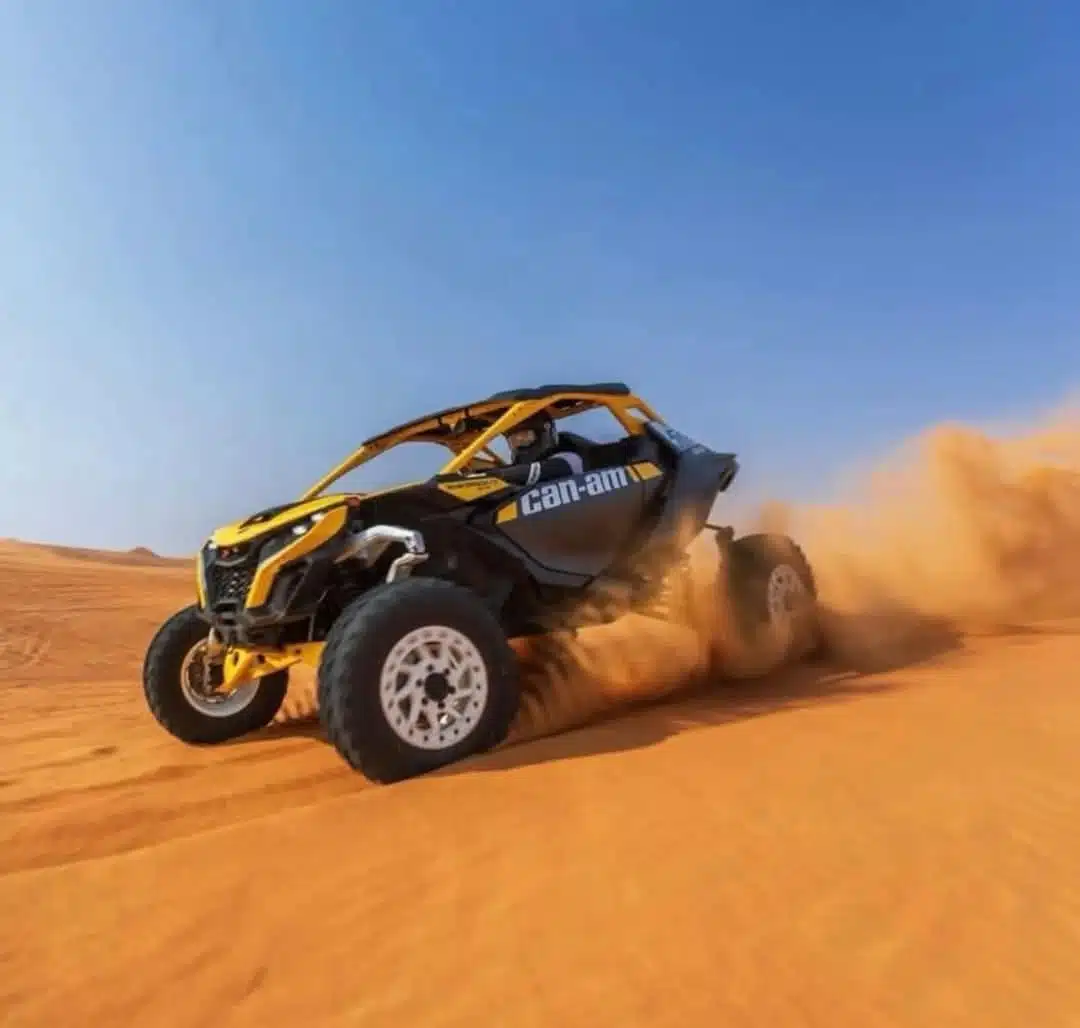
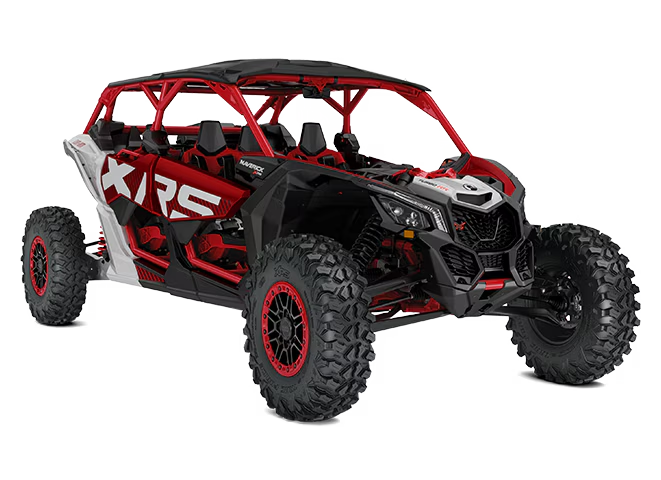
When it comes to dune buggy adventures, there’s one machine that truly stands above the rest: the Can-Am Maverick X3. Built with unmatched horsepower, razor-sharp handling, and advanced suspension, this off-road beast is designed to dominate the desert. Whether you’re a first-timer or an adrenaline junkie, taking the wheel of a Can-Am Maverick in Dubai’s red dunes is an experience like no other. If you’re searching for the best dune buggy Dubai has to offer, the Maverick X3 is the ultimate choice. Let’s dive into what makes it so special, why it’s perfect for conquering the desert, and how you can book your adventure. Why the Can-Am Maverick X3 is the King of Dune Buggies Unlike standard buggies or ATVs, the Can-Am Maverick X3 X RS Turbo RR is built with cutting-edge engineering for raw power and precision. Here’s why it stands out: Unmatched Horsepower With up to 200 horsepower, the Maverick X3 tears across the desert with lightning speed. This isn’t just a ride, but it’s an explosion of adrenaline every time you press the pedal. Advanced Suspension The desert is unpredictable, but the Maverick’s suspension absorbs bumps and dips with ease. That means smoother rides even on the roughest dunes. Razor-Sharp Control Steering is responsive and precise, giving you confidence whether you’re climbing steep slopes, cutting sharp turns, or cruising across open sand valleys. Built for Thrill-Seekers Everything about the Maverick screams performance, from its aggressive frame to its sport-tuned seats. It’s not just a buggy; it’s a desert monster. When you combine these features, it’s easy to see why seasoned adventurers call the Maverick X3 the best dune buggy in Dubai. Easy and Sharp Steering Control The Can-Am Maverick X3 is very easy to handle. The steering reacts quickly, so the buggy goes exactly where you want it to go. It doesn’t feel heavy or slow, even on soft sand. This makes a big difference when: Going down steep dunes Turning on tight sand tracks Driving faster across open dunes Because the steering feels stable and predictable, you stay in control at all times. Even if it’s your first desert ride, the Maverick X3 feels comfortable and easy to drive. The Red Dunes of Lahbab (Maverick’s Playground) One of the most famous desert spots for buggy rides in Dubai is Lahbab’s Red Dunes. Known for their striking red-tinted sand and towering slopes, these dunes are a natural arena for the Maverick. High Slopes for Dune Climbing The Maverick X3 makes climbing steep 50–100 ft dunes look effortless. Few machines can match its climbing power. Golden Sunsets and Desert Views As you race across the red dunes, you’re rewarded with panoramic views of endless desert landscapes, making the ride both thrilling and unforgettable. Perfect for All Levels Whether you’re a first-timer or an expert rider, the red dunes are forgiving yet challenging, offering just the right mix of adrenaline and adventure. Can-Am Maverick X3 vs. Other Buggies Dubai has plenty of buggies available for tours, from Polaris models to standard two-seaters. But the Can-Am Maverick X3 delivers an edge that others can’t compete with. Feature Can-Am Maverick X3 Standard Dune Buggy Horsepower Up to 200 HP 80–120 HP Top Speed 120 km/h+ 70–90 km/h Suspension Advanced FOX suspension Basic suspension Seating 2- or 4-seater options Usually 2-seater Experience Premium / high-thrill Basic off-road ride If you want a casual, easy ride, a standard buggy might be enough. But if you’re after raw power and the ultimate thrill, the Can-Am Maverick X3 is the clear winner. Why the Red Dunes Are Perfect for the Maverick X3 Riding in Lahbab Red Dunes Most Can-Am Maverick X3 tours take place in Lahbab, one of the most famous desert areas near Dubai. These red dunes are known for Soft, clean sand Tall dune shapes Wide open space This area is perfect for high-power dune buggies. Steep Dune Climbing Made Easy Some dunes in Lahbab reach 50 to 100 feet in height. The Can-Am Maverick X3 climbs these dunes smoothly without losing speed. The power and grip work together, making dune climbing feel easy and safe. Best Views During Sunrise and Sunset Morning and sunset rides are the best times to enjoy the desert. The Can-Am Maverick X3 performs even better when the sand is cooler. You also get: Golden desert views Cooler weather Better photo opportunities What to Expect on a Can-Am Maverick X3 Adventure Booking a Can-Am Maverick X3 ride in Dubai with licensed and experienced operators guarantees more than just driving a powerful buggy; it’s a full desert adventure backed by safety and professionalism. Here’s what you can expect: Hotel Pickup & Drop-Off Comfortable transfers from your Dubai hotel with verified, insured drivers. Safety Gear & Briefing Helmets, goggles, and a professional safety briefing ensure a secure ride. The Ride of Your Life Guided sessions across the red dunes, from 30 minutes to 2 hours, led by certified instructors familiar with the desert terrain. Photo Stops Capture epic desert moments, especially during sunrise or sunset, with guidance on the best spots. Optional Add-Ons Some packages include trusted extras like camel rides, sandboarding, or BBQ dinners at licensed desert camps. With certified operators and well-maintained buggies, your Can-Am Maverick X3 adventure is not just a joyful spot, but it’s a safe, reliable, and unforgettable experience in your life. Who Should Choose the Can-Am Maverick X3 The Can-Am Maverick X3 is made for people who want real desert action, not a slow or basic ride. It suits anyone who enjoys speed, strong power, and full control on the dunes. This buggy is a great choice if: You enjoy adventure and want an exciting desert experience in Dubai You have ridden ATVs or quad bikes before and want something more powerful You want the best dune buggy Dubai has, not a standard tourist ride You are visiting the desert with friends or family and want an experience you will remember If you want a dune buggy that feels strong, safe, and thrilling

How to Book a Desert Safari with Dune Buggy from Dubai Marina (2025 Guide)
Desert Safari with Dune Buggy from Dubai Marina (2025 Guide, Prices & Packages) Dubai Marina is one of the best places to stay in the city, with a great location, excellent hotels, and everything within easy reach. But if you want to step completely outside the city for a few hours, the Arabian desert is just 45 minutes away. A self-drive dune buggy safari is one of the most popular things to do from Dubai Marina, and once you’ve done it, you’ll understand why it is so important. This guide covers everything: what to expect, which buggy suits you, how the packages work, 2025 pricing, safety rules, and exactly how to book a desert safari with dune buggy Dubai Marina. Understanding how to book a desert safari with dune buggy is essential for ensuring an unforgettable experience. Why a Dune Buggy Safari Is Different from a Regular Desert Safari A standard desert safari puts you in the back of a Land Cruiser while a professional driver handles the dunes. That’s enjoyable, but a self-drive dune buggy Dubai Marina experience is a completely different thing. You’re behind the wheel and choose how fast you climb it. You feel the terrain shift under you as the buggy crests a dune and drops into the valley below. No driving license is needed, but the vehicles are fully automatic, and licensed guides ride alongside you the entire time. From experience, first-time riders are often surprised by how stable the 1000cc Polaris RZR feels on steep climbs. The low center of gravity and wide stance mean it tracks well through soft sand even when the angle gets sharp. Most people are pushing it confidently within the first ten minutes. If you’re wondering how to book a desert safari with a dune buggy, start by researching reputable tour operators who offer this thrilling experience. When you embark on a desert safari with dune buggy Dubai Marina, be prepared for an adventure like no other! While considering how to book a desert safari with a dune buggy, make sure to compare different operators to find the best deal. How Far Is Dubai Marina from the Desert? The Lahbab Red Dunes, where most dune buggy tours operate, sit approximately 45 minutes southeast of Dubai Marina by road. Reputable tour operators offer hotel pickup directly from Dubai Marina using air-conditioned 4×4 vehicles (Land Cruiser or Nissan Patrol), so there’s no need to organize your own transport. The Lahbab area is well-regarded among off-road riders across the region. The dunes rise between 30 and 100 feet in places, with steep faces, wide open valleys, and the kind of terrain that a turbo dune buggy in Dubai is built for. Knowing how to book a desert safari with dune buggy is crucial for maximizing your fun and adventure in the dunes. Why Lahbab Red Dunes Are Better Than Other Dubai Desert Areas Not all desert areas in Dubai feel the same. If you are booking a dune buggy safari from Dubai Marina, the location really matters. Lahbab vs Al Awir Most premium dune buggy tours operate in the Lahbab area. This is where you’ll find the famous red dunes. The dunes here are bigger, steeper, and more open. That means longer climbs, deeper drops, and more space to really enjoy the buggy. Al Awir is closer to the city and is often used for standard desert safaris. The dunes there are smaller and flatter. It’s fine for basic dune bashing in a 4×4, but it doesn’t feel as dramatic or powerful as Lahbab when you’re driving your own buggy. Red Sand vs Pale Sand Lahbab is known for its deep red sand. It’s not just about the color (which looks amazing in photos). The texture of the sand is softer and gives a more exciting ride. When you climb a dune and look around, the red landscape feels wild and untouched. Al Awir has lighter, pale sand. It still offers a desert experience, but visually it’s less striking. If you care about photos, sunsets, and that “real desert” feeling, Lahbab stands out immediately. Height Differences One of the biggest differences is dune height. In Lahbab, dunes can rise between 30 to 100 feet or more. Some slopes are steep enough to give you a real adrenaline rush when you climb and drop. In Al Awir, dunes are generally lower and more compact. That means fewer dramatic climbs and less thrill for high-powered machines like a Polaris or Can-Am buggy. If you want wide-open space, higher dunes, better sunset views, and a stronger off-road experience, Lahbab is clearly the better choice. That’s why most serious dune buggy tours choose this area over other desert locations near Dubai. Each time you think about how to book a desert safari with dune buggy, remember that location is key. Which Dune Buggy Should You Choose? This is where most people spend the most time deciding, and it’s worth getting right. Polaris RZR XP 1000 (2-Seater) The Polaris RZR XP 1000 runs a ProStar 1000cc engine producing around 107–110 horsepower, with 16 inches of front suspension travel and 18 inches at the rear. It’s wide, low, and built for stability on loose terrain. This is the most approachable option for first-timers and couples. It has real power but stays predictable so that it grips the sand cleanly on climbs, and the suspension handles the drops without throwing you around. Most riders who start on the 1000cc Polaris end up covering far more ground than they expected. It builds confidence quickly. Can-Am Maverick X3 X RS Turbo RR (2-Seater) The Can-Am Maverick X3 is a step up in every measurable way. It runs a turbocharged Rotax ACE three-cylinder engine producing up to 200 horsepower, with FOX 2.5-inch shocks and 20 inches of front suspension travel. At 72 inches wide, it’s built for open desert terrain. This is the most popular choice among visitors booking a private desert safari from Dubai Marina. The turbo power makes a
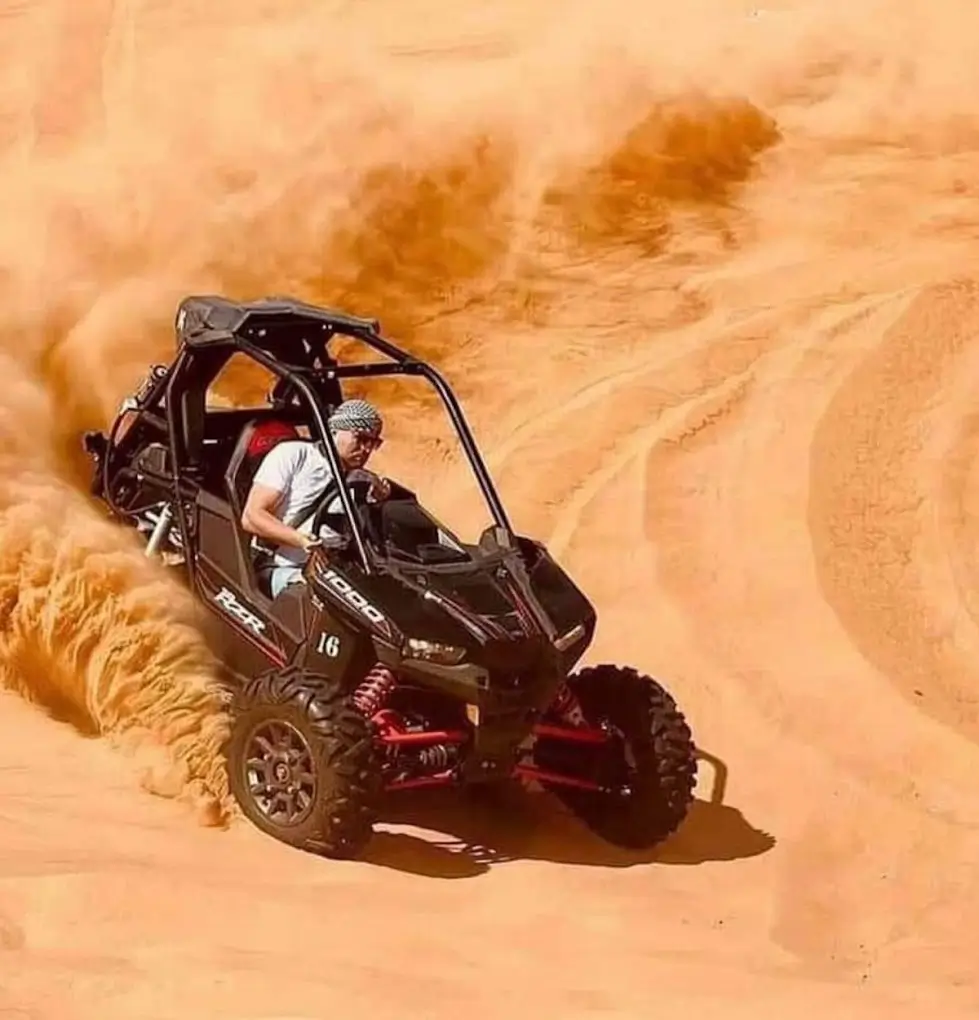
Which Should You Choose? (2025 Guide)
Introduction: Dune Buggy vs Quad Bike Dubai Dubai’s desert is a world of adventure, and two of the most popular ways to explore it are with a Dune Buggy or vs Quad Bike in Dubai tour. But which one is right for you? If you’re asking yourself whether to book a dune buggy or a quad bike safari, you’re not alone. Thousands of tourists face this choice every year. Both offer adrenaline, freedom, and stunning desert views — but they’re very different experiences. This guide breaks down the differences between dune buggies and quad bikes in Dubai, helping you choose the perfect desert thrill for 2025. What Is a Dune Buggy? A dune buggy is a powerful, off-road vehicle built specifically for desert driving. Key Features: 👉 Perfect for adventurous couples, friends, or families who want speed and comfort combined. Check out Dune Buggy Dubai Tours for available packages. What Is a Quad Bike? A quad bike (ATV – All-Terrain Vehicle) is a 4-wheel motorbike designed for solo desert rides. Key Features: 👉 Perfect for solo travelers and thrill-seekers who love control and adventure. Explore our Quad Bike Dubai Packages. Dune Buggy vs Quad Bike – Detailed Comparison Feature Dune Buggy Quad Bike Seats 2–4 seats (Can-Am, Polaris) 1 seat (solo) Power 1000cc–200 HP 150cc–700cc Safety Roll cage, seat belts, helmets Helmet, goggles only Comfort More stable, cushioned ride Rougher, bumpier ride Skill Level Easy for beginners Moderate – requires balance & control Best For Couples, groups, families Solo travelers, adrenaline lovers Price Range AED 700 – AED 1,200 per person AED 150 – AED 400 per person Which Experience Is More Thrilling? 👉 If you want controlled power + safety, go for a dune buggy.👉 If you want a solo, rough-and-tough ride, a quad bike is your best bet. Which Is Safer? Safety is a top concern for many travelers. Which Is Better for Families? ✅ Dune Buggy is the clear winner. ❌ Quad Bike is generally for single riders (age 16+). Which Is More Affordable? 💡 Tip: If you’re traveling in a group, special discounts are often available. Real Guest Experiences When to Choose Each Choose Quad Bike if? ✅ You’re a solo rider✅ You want a budget-friendly thrill✅ You enjoy more control and independence Conclusion So, dune buggy vs quad bike Dubai — which should you choose? 👉 If you want a premium, powerful, and safe desert experience, go with a Dune Buggy Dubai tour.👉 If you’re looking for a budget-friendly, solo thrill ride, the Quad Bike Dubai safari is your adventure. No matter which you choose, you’ll enjoy the majestic red dunes, expert guides, and unforgettable memories with Desert Buggys Dubai. Book Your Desert Adventure Today 🚀 FAQs: Dune Buggy vs Quad Bike Dubai
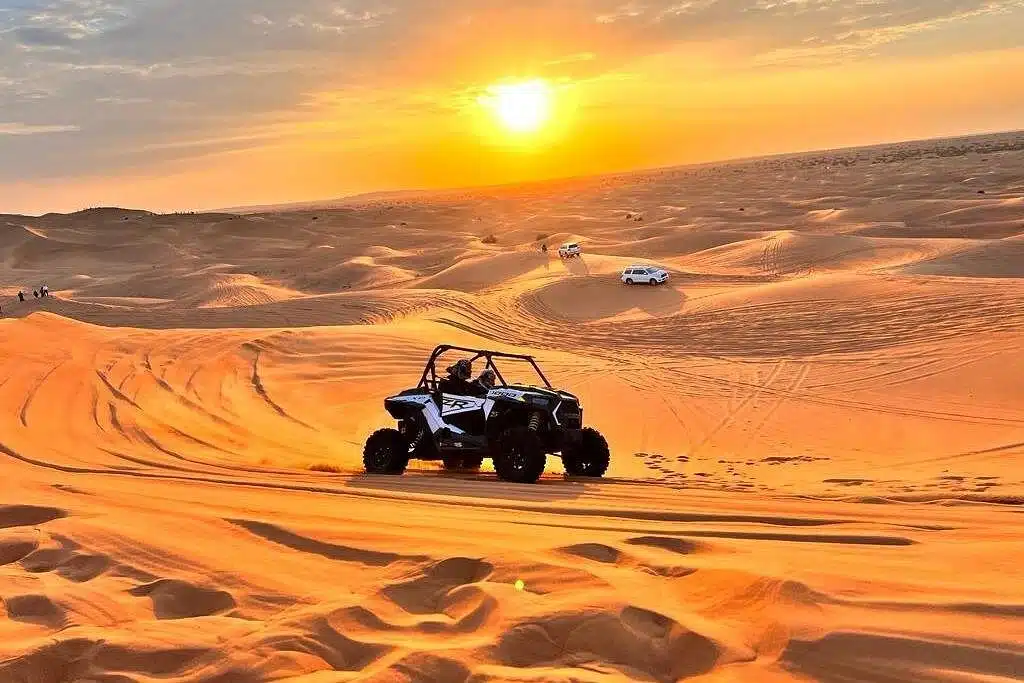
Why It’s the Must-Try Adventure of 2026
Dune Buggy Safari Dubai – Best Buggy Rides & Prices 2026 Dubai is famous for its skyscrapers, luxury lifestyle, and world-class shopping malls—but did you know that some of the best adventures happen just outside the city in the desert? Among these, the dune buggy safari in Dubai is one experience that stands out. If you’re planning a trip in 2025, here’s why booking a dune buggy ride in Dubai should be at the top of your list. What is a Dune Buggy Safari in Dubai? A dune buggy safari in Dubai is an off-road desert adventure where you drive or ride in a powerful buggy across the golden red dunes of Dubai. Unlike regular cars, dune buggies are lightweight, equipped with roll cages, harnesses, and safety gear, and built to handle steep dunes and sandy terrain. At Desert Buggys, you can choose between: 👉 Whether you’re a first-time visitor or a thrill-seeker, the buggy safari is tailored to both beginners and experienced drivers. Why Choose a Dune Buggy Safari Dubai? 1. Thrill and Adrenaline Feel the power of a Can-Am Maverick X3 or Polaris RZR 1000CC as you climb, drift, and race across Dubai’s enormous dunes. 2. Perfect for All Travellers 3. Guided by Local Experts Our professional desert guides ensure your ride is both safe and exciting. They’ll even share fun desert stories and help capture photos for Instagram. 4. Extra Activities A buggy safari isn’t just about driving—add sandboarding, camel riding, and BBQ dinner under the stars for the whole desert safari experience. Dune Buggy Safari Dubai Prices (2026 Update) Here’s a quick look at current buggy and quad packages in Dubai: Package Duration Price (AED) Includes Self-Drive Dune Buggy – 2 Seater (Can-Am Maverick X3) Both rides, guide, and water AED 700 Safety gear, water, guide Self-Drive Dune Buggy – 4 Seater (Can-Am Maverick X3) 1 Hour AED 1,299 Refreshments, guide, photos Guided Dune Buggy Safari (Polaris RZR 1000CC) 2 Hours AED 1,499 Safety gear, water, support Quad Bike Safari – Yamaha 350 CC 1 Hour AED 399 Helmet, guide, refreshments Premium Quad Safari – Yamaha Raptor 700 CC 1 Hour AED 599 High-power quad, gear, guide Buggy + Quad Combo 2 Hours AED 1,799 Both rides, guide, water Private Dune Buggy Safari Dubai 2 Hours AED 2,499 Private guide, multiple vehicles 👉 Same-day bookings available. Book early to secure your slot. How to Book a Dune Buggy Safari in Dubai Follow these simple steps to secure your dune buggy safari Dubai with Desert Buggys. Same-day bookings are possible, subject to availability. Open the booking page Go to our booking section to get started. Choose your dune buggy package Select from self-drive, guided, family 4-seater, or buggy + quad combo. Review duration (30–120 minutes), inclusions, and price on the packages section. Select date, time, and riders Pick morning or sunset slots, and add the number of drivers and passengers you’re booking for. Add hotel pickup and extras Include transfers from Marina, JBR, Downtown, or Deira, and add sandboarding, camel ride, or BBQ dinner if you’d like. Enter contact details Provide your name, email, and WhatsApp number. Add any special notes (birthdays, sunset photos, etc.). Secure your booking Pay online (if available) or choose Reserve Now, Pay Later on arrival. Receive confirmation Check your email/WhatsApp for your booking confirmation, pickup time, and the Lahbab Red Dunes camp location. What you’ll need Valid ID (passport / Emirates ID / driving license) Active phone number or email for confirmations Estimated time & cost Booking takes about 10 minutes. Packages start from AED 700. Book Your Dune Buggy Now Where Can You Try Dune Buggy Rides in Dubai? Most dune buggy safaris take place at the Lahbab Red Dunes, located about 45 minutes from Dubai Marina and Downtown. This area is famous for its deep red sand, steep dunes, and beautiful desert views. Our packages also include free hotel pickup and drop-off, making it easy for visitors staying anywhere in Dubai. Safety Tips Before You Ride Before hitting the dunes, keep these safety tips in mind: 💡 Note: UAE law requires all tourists to have valid travel insurance before joining a buggy safari. Best Time to Book a Dune Buggy Ride in Dubai Why Desert Buggies is the #1 Choice If you’re searching for “dune buggy Dubai Marina,” “buggy ride near JBR,” or “self-drive dune buggy Dubai Downtown”, Desert Buggys has you covered. With free transfers from Dubai Marina, JBR, Palm Jumeirah, Downtown, and Deira, we make it easy for tourists staying anywhere in Dubai. Our local guides know every dune and ensure you get the safest, most thrilling ride possible. Frequently Asked Questions Q: Do I need a driving license to ride a dune buggy in Dubai?No—our buggies are automatic and beginner-friendly. Q: How fast can dune buggies go in Dubai?Up to 96 km/h, depending on the model and terrain. Q: What is the minimum age to drive a buggy?You must be at least 16 years old to drive, 15+ to ride as a passenger. Q: Can I combine dune buggy and quad bike rides?Yes, our combo packages let you enjoy both in one adventure. Q: Are dune buggies safe in Dubai?Yes—when driven responsibly and under the supervision of our guides. Final Thoughts – Book Your Dune Buggy Safari in Dubai A dune buggy safari in Dubai is more than just a ride—it’s an adventure you’ll remember for a lifetime. From racing across the Red Dunes of Lahbab to enjoying sunset views and desert activities, it’s the ultimate way to experience Dubai beyond the city lights. 👉 Ready to ride? Book your dune buggy Dubai adventure today with Desert Buggys – Dubai’s trusted off-road experts.
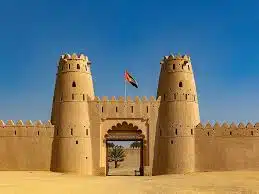
Al Ain UNESCO Sites: An Adventurer’s Guide to the UAE’s Ancient History
Al Ain UNESCO Sites offer a rare, living window into the UAE’s deep past—from the beehive tombs of Jebel Hafit to ingenious falaj irrigation that made oasis life possible. The UAE’s Heritage Heartland While Dubai and Abu Dhabi are famous for their futuristic skylines, the UAE’s story begins somewhere much older. Al Ain, one of the world’s oldest continually inhabited settlements, offers a profound contrast. Its name, meaning ‘The Spring,’ hints at its origins as a lush oasis that was a critical stop on ancient caravan routes. This is not a city of glass towers but the emirate’s heritage heartland. The Al Ain UNESCO sites are not a single location but a collection of places that together tell a story of human life stretching back thousands of years. Exploring them is like stepping through a portal into the deep past. For any adventurer wondering what to see in Al Ain beyond the usual attractions, this journey offers a chance to connect with the very foundations of Emirati culture and history. It’s an expedition into a world that existed long before the modern Emirates were imagined. The Bronze Age Tombs of Jebel Hafit Your journey into ancient history in the UAE begins at the foothills of Jebel Hafit mountain, where hundreds of 5,000-year-old tombs dot the rugged landscape. These are the Jebel Hafit tombs, marking the dawn of the Bronze Age in the region. Their distinct single-chamber, ‘beehive’ shape was constructed from local, unworked stones, a testament to the resourcefulness of the people who built them. Standing among them, you can almost feel the silence of millennia. When Danish archaeologists first excavated these structures in 1959, they uncovered more than just remains. They found ceramic vessels and copper artefacts, which were not just simple objects but clues. These finds proved the existence of sophisticated maritime trade networks that connected the people here with distant civilisations across the Arabian Gulf. A Jebel Hafit tombs tour is less like visiting a museum and more like exploring one. It’s a raw, open-air experience that connects you directly to this ancient world. While ancient traders navigated these routes on foot, modern adventurers can experience the same spirit of discovery by exploring the surrounding desert landscapes in one of our high-performance buggies. These tombs stand in stark contrast to later burial sites, showing a clear evolution in culture and construction over time. Hili Archaeological Park’s Ancient Settlements While the Jebel Hafit tombs speak of early trade and burial customs, a Hili Archaeological Park visit tells a different story: the shift from nomadic life to settled communities. This park contains the earliest known evidence of an agricultural village in the United Arab Emirates, offering a window into a fully developed ancient society. It’s a place where you can walk through the remnants of a community that thrived thousands of years ago. The park’s features paint a vivid picture of life during the Bronze and Iron Ages: As documented by UNESCO, Hili Archaeological Park is a core component of the Al Ain UNESCO sites, preserving this critical chapter of human history. For those with a fascination for the region’s deeper past, the nearby Fossil Valley is rich with fossils from when this area was covered by the sea. If you are planning a wider trip through the region, you can find more travel inspiration on our blog. At a Glance: Comparing Al Ain’s Key Archaeological Sites Feature Jebel Hafit Tombs Hili Archaeological Park Bidaa Bint Saud Key Period Early Bronze Age (3200-2600 BCE) Bronze & Iron Age (3000-300 BCE) Iron Age (1300-300 BCE) Main Attraction 5,000-year-old ‘beehive’ tombs Hili Grand Tomb & ancient village Tombs & 3,000-year-old falaj system Historical Significance The earliest known agricultural settlement in the UAE Developed a park with accessible pathways Earliest evidence of widespread falaj irrigation Visitor Experience Rugged, open-air site at mountain foothills Rugged, open-air site at the mountain foothills Dramatic rock formation with scattered ruins The Ingenuity of Bidaa Bint Saud The story of ancient history in the UAE is also a story of incredible innovation. Nowhere is this more apparent than at Bidaa Bint Saud. The site itself is dramatic, with ancient tombs perched atop Gharn bint Saud, a striking rock formation that rises out of the desert floor. While the tombs are fascinating, the true marvel here lies hidden beneath the ground. Archaeologists discovered a 3,000-year-old falaj irrigation system, a masterpiece of ancient engineering. Think of a falaj as a network of underground channels, cleverly designed to tap into subterranean water tables and carry water over long distances without evaporation. This wasn’t just a local trick. The falaj at the Bidaa Bint Saud location represents some of the earliest evidence for this technology found anywhere in the world. This ingenuity was the key to life, allowing communities to cultivate crops like dates and build permanent settlements in an arid landscape. The discovery of a large mud-brick building and artefacts like double-edged swords nearby further illustrates that this was a prosperous and organised society that had truly mastered its environment. Planning Your Historical Expedition Treating your visit to the Al Ain UNESCO sites as an expedition will make the experience even more memorable. A little preparation ensures you can focus on the sense of discovery. Here are a few practical tips for your journey into the past: This journey is a unique opportunity to combine adventure with a genuine connection to the region’s deep history. For those looking to arrange a group adventure or get more details, you can contact our team to help plan your trip. FAQ: Al Ain UNESCO Sites What are the Al Ain UNESCO Sites?The Al Ain UNESCO Sites are a group of heritage locations—Jebel Hafit tombs, Hili Archaeological Park, Bidaa Bint Saud, and the oases—that trace life in the UAE over millennia. Why visit the Jebel Hafit tombs within the Al Ain UNESCO Sites?They’re 5,000-year-old beehive tombs marking the start of the Bronze Age, a core feature of the Al Ain UNESCO Sites. What
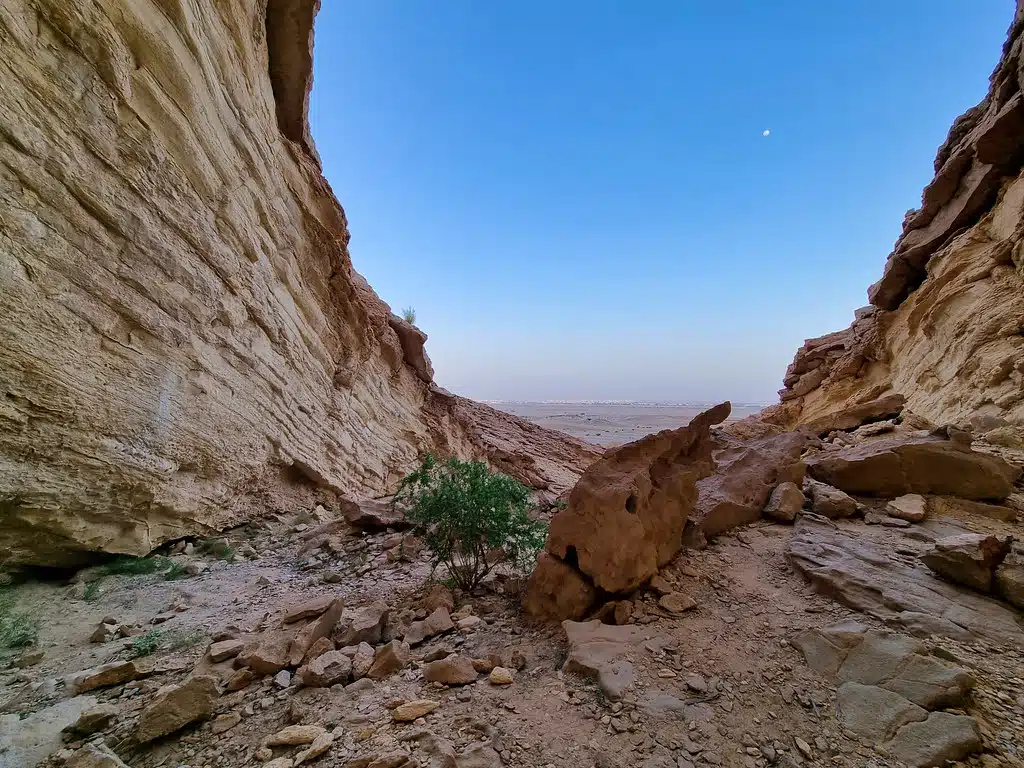
Jebel Hafit Desert Park: Complete 2025 Visitor Guide (Al Ain, Abu Dhabi)
Jebel Hafit Desert Park sits at the foot of Abu Dhabi’s tallest mountain and protects a 9-km stretch of desert rich in fossils, wildlife, and 5,000-year-old beehive tombs. It’s part of Al Ain’s UNESCO World Heritage listing, making it one of the UAE’s most meaningful outdoor day trips. Experience Abu Dhabi whc.unesco.org Why it’s special Quick facts Item Details Location At the base of Jebel Hafit, Al Ain (Abu Dhabi) What you’ll see Beehive tombs, limestone escarpments, desert flora & fauna Activities Hiking, MTB, camel/horse rides, camping/glamping, stargazing UNESCO status Part of “Cultural Sites of Al Ain” (inscribed 2011) Nearby highlights Green Mubazzarah hot springs & park; Jebel Hafit mountain road viewpoints Top things to do 1) Walk among 5,000-year-old tombs Follow the easy tracks to view the beehive tombs from a respectful distance. They are a signature element of the Al Ain World Heritage ensemble and tell the story of early oasis life. (Do not climb on structures.) 2) Hike & bike the desert trails Short family loops or longer out-and-back routes weave through rocky shelves and sandy plains. Trails are generally gentle, but bring sun protection and plenty of water. 3) Camel or horse experiences A classic way to experience the terrain; guided rides are available seasonally inside/around the park. 4) Camp or “glamp” under the stars The area offers everything from bring-your-own-tent pitches to serviced eco-tents run by on-site partners, so you can choose your comfort level. Book ahead in peak months (Oct–Mar). Experience Abu Dhabi PURA 5) Add Green Mubazzarah & the mountain road Cool your feet in the Green Mubazzarah hot spring channels, picnic on the lawns, then drive the famous mountain road for sunset views over Al Ain. Best time to visit Getting there (simple plan) Tip: Fill up on fuel and water in Al Ain before you enter the park area. Viewpoints at the top of Jebel Hafit have parking but limited services. What to pack Sun hat & sunscreen • 3–4 L water per person for longer hikes • Closed shoes • Sunglasses • Light layer (cooler at dawn/evening) • Small tripod/smartphone rest for low-light shots Responsible visiting: Jebel Hafit Desert Park Sample half-day itinerary (family-friendly) FAQs: Jebel Hafit Desert Park Is Jebel Hafit Desert Park part of a UNESCO site?Yes. It forms part of the “Cultural Sites of Al Ain” UNESCO listing, known for its beehive tombs and oasis heritage. Do I need a ticket to enter Jebel Hafit Desert Park?Some areas are freely accessible by road, but specific activities, guided tours, camping, and glamping are paid for. Check availability before you go. What’s the best time to visit Jebel Hafit Desert Park?October–March for cooler weather. For photos, aim for sunrise or sunset. Can I camp or glamp at Jebel Hafit Desert Park?Yes—there are bring-your-own tent pitches and serviced eco-tents. Book early in peak season. Are the Jebel Hafit beehive tombs open to enter?No. They’re protected heritage structures. View from outside and avoid climbing. Is a 4×4 required to visit?The mountain road and main park approaches are paved. For deeper desert tracks, join a guided tour. Are there family-friendly activities?Yes—short walks, easy viewpoints, camel/horse experiences, and nearby Green Mubazzarah lawns and hot springs. What should I pack for a half-day visit?Closed shoes, sun protection, 2–3L water per person, snacks, and a light layer for early mornings/evenings. Can I combine the park with a desert adventure? Absolutely—pair your visit with a quad-bike safari or a Can-Am Maverick X3 tour. Use our contact page or browse all tours.
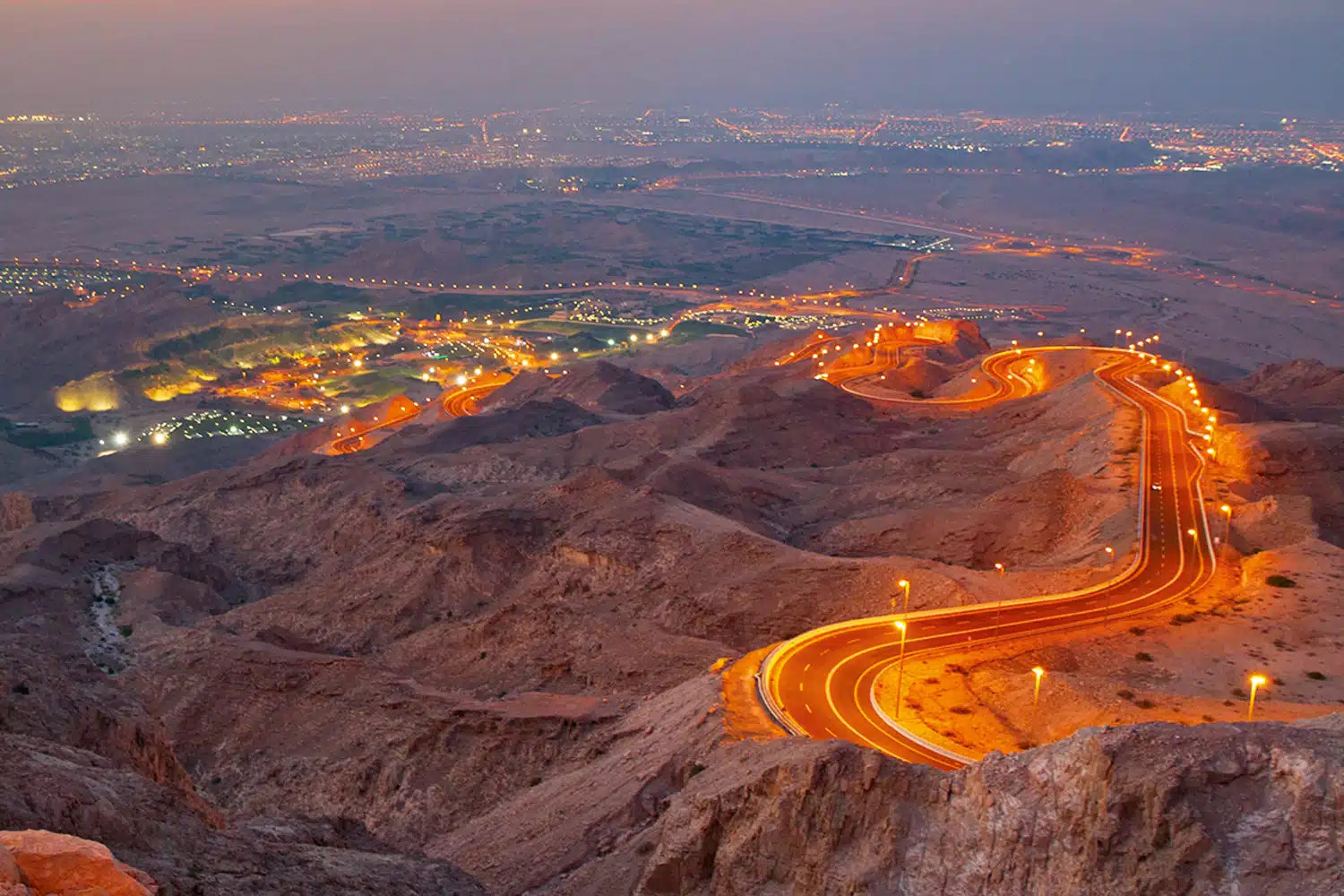
Experiencing Sunrise and Sunset at Jebel Hafit
Plan your trip to Abu Dhabi’s highest peak with our guide. Discover the best times for sunrise and sunset, photography tips, and other adventures in Al AinJebel Hafit. The Allure of Abu Dhabi’s Highest Peak Rising 1,249 metres above the desert floor, Jebel Hafit stands as Abu Dhabi’s highest peak and the second tallest in the UAE. It’s more than just a mountain; it is a landmark that promises some of the most expansive panoramic views over the garden city of Al Ain. The journey to its summit is an adventure in itself. The famous Jebel Hafit mountain road is a marvel of engineering, a ribbon of smooth tarmac that winds through the rugged landscape with a series of challenging hairpin turns. For motorists and cyclists, the ascent is a thrilling experience that builds anticipation for the reward at the top. But the mountain’s appeal goes deeper than its impressive scale and the drive to its peak. This is a place steeped in natural history. Weathered over millennia, Jebel Hafit has revealed significant fossil discoveries that have been vital in piecing together the region’s ancient past. A visit here is not just about the view; it’s about standing on a monument of geological time, a silent guardian on the border with Oman that holds stories millions of years old. Planning Your Sunrise Ascent Witnessing the sunrise from Jebel Hafit is an experience that rewards preparation. The key is timing. To catch the full spectacle, you need to plan your departure from Dubai or Abu Dhabi to arrive at the summit 30 to 45 minutes before the official sunrise. This buffer is essential. It gives you time to find a quiet viewing spot and experience the ‘blue hour’, that magical pre-dawn period when the sky shifts through deep blues and purples. The Jebel Hafit sunrise timing is less about the exact moment the sun appears and more about the entire atmospheric shift. The drive up the dark, winding road is quiet and contemplative, a stark contrast to the daytime hustle. Once at the top, the air is cool, and the silence is profound. To ensure you are comfortable while you wait, consider bringing a few essentials: This quiet, almost spiritual feeling as the first light spills over the horizon makes the early start entirely worthwhile. For more insights on preparing for your next adventure, you can find travel tips and stories from fellow explorers on our blog. The Magic of a Jebel Hafit Sunset While the sunrise offers serene solitude, the sunset at Jebel Hafit provides a different kind of magic. The atmosphere is often more social and relaxed, as visitors gather to watch the day end. The light during the ‘golden hour’ is spectacular, bathing the rocky landscape in warm, soft tones and casting long, dramatic shadows across the terrain. This creates a completely different photographic mood compared to the crisp light of dawn. For anyone interested in Jebel Hafit sunset viewing, the experience is both visually rich and comfortably paced. Even with more people around, the summit’s numerous viewpoints mean you can always find a personal space to enjoy the show. As the sun dips below the horizon, the adventure isn’t over. The descent offers a beautiful view of Al Ain’s city lights beginning to twinkle to life below. For those looking to extend the evening, the Mercure Grand Jebel Hafeet hotel near the summit offers a place for a meal or a drink. As the official Abu Dhabi tourism authority highlights, Jebel Hafit is a prime location for both sunrise and sunset, a fact confirmed by Visit Abu Dhabi. Factor Sunrise Experience Sunset Experience Atmosphere Quiet, serene, and solitary Social, relaxed, and often busier Light Quality Cool ‘blue hour’ followed by crisp, clear light Warm ‘golden hour’ with soft light and long shadows Crowd Levels Fewer visitors, more peaceful More popular, especially on weekends Preparation Requires a very early start and warm clothing More flexible timing, pleasant temperatures This table helps visitors choose the experience that best fits their preferences, whether they seek quiet contemplation or a more relaxed social outing. Exploring the Jebel Hafit Desert Park The adventure at Jebel Hafit extends well beyond the summit road. At the base of the mountain lies the Jebel Hafit Desert Park, a destination that enriches any visit with culture, history, and activity. Recognised as part of a UNESCO World Heritage Site, the park protects not only the area’s unique biodiversity but also its profound archaeological heritage. It offers a hands-on way to connect with the landscape you’ve just viewed from above. There are many things to do in Jebel Hafit that cater to families, history enthusiasts, and adventurers alike. The park provides a variety of ways to engage with the desert environment. You can choose from several guided activities that bring you closer to the terrain: Beyond recreation, the park is home to the 5,000-year-old Jebel Hafit Tombs, beehive-like structures that stand as silent testaments to the region’s Neolithic inhabitants. Exploring these ancient sites connects you directly to the deep history of the land. For those who want to explore the rugged terrain in a more exhilarating way, a guided desert safari with a quad bike offers another perspective on the Al Ain landscape. Essential Photography Tips for the Golden Hour You don’t need professional equipment to capture great photos at Jebel Hafit. With a few simple techniques, anyone can turn a good snapshot into a memorable image. The key is to think beyond just pointing your camera at the horizon. To find the best photo spots in Al Ain, sometimes you have to create them through composition. Use foreground elements like the unique rock formations or a curve in the winding road to add a sense of depth and scale to your shots. This simple trick draws the viewer’s eye into the image and makes the landscape feel more immense. Patience with timing is also crucial. The most vibrant colours often appear not at the exact moment