
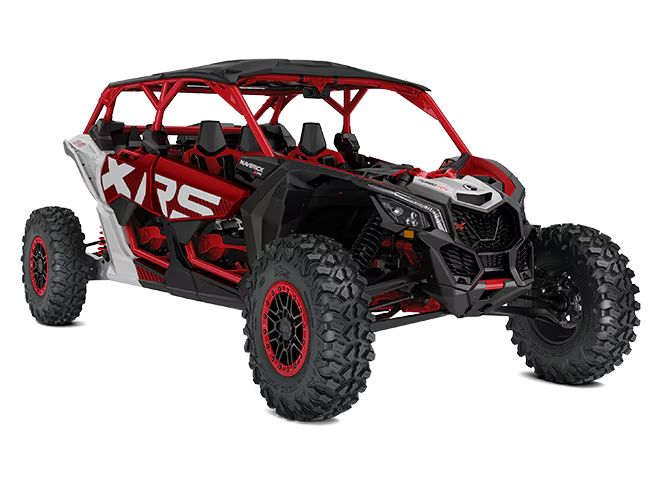
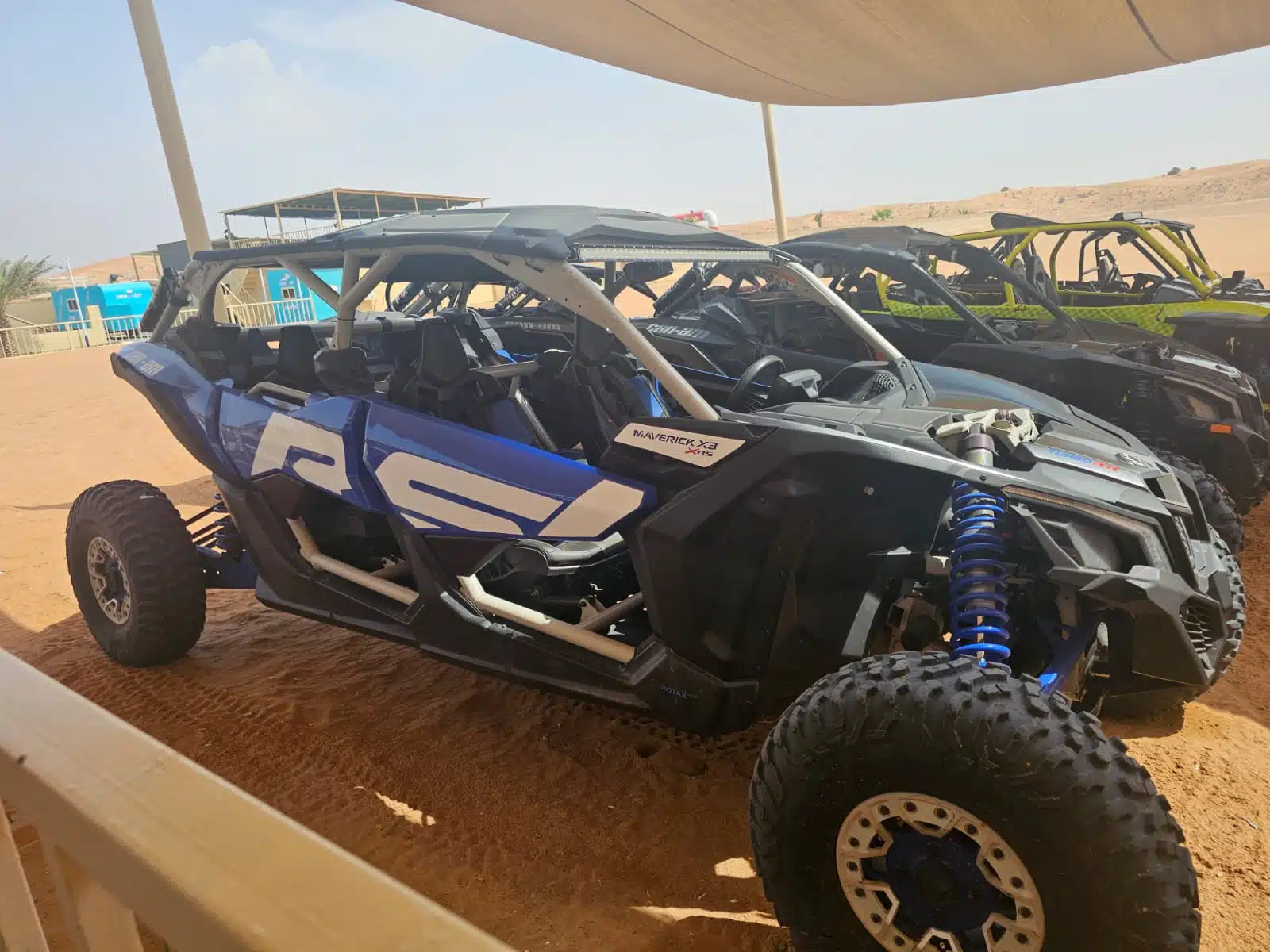
When it comes to dune buggy adventures, there’s one machine that truly stands above the rest: the Can-Am Maverick X3. Built with unmatched horsepower, razor-sharp handling, and advanced suspension, this off-road beast is designed to dominate the desert. Whether you’re a first-timer or an adrenaline junkie, taking the wheel of a Can-Am Maverick in Dubai’s red dunes is an experience like no other. If you’re searching for the best dune buggy Dubai has to offer, the Maverick X3 is the ultimate choice. Let’s dive into what makes it so special, why it’s perfect for conquering the desert, and how you can book your adventure. Why the Can-Am Maverick X3 is the King of Dune Buggies Unlike standard buggies or ATVs, the Can-Am Maverick X3 X RS Turbo RR is built with cutting-edge engineering for raw power and precision. Here’s why it stands out: Unmatched Horsepower With up to 200 horsepower, the Maverick X3 tears across the desert with lightning speed. This isn’t just a ride, but it’s an explosion of adrenaline every time you press the pedal. Advanced Suspension The desert is unpredictable, but the Maverick’s suspension absorbs bumps and dips with ease. That means smoother rides even on the roughest dunes. Razor-Sharp Control Steering is responsive and precise, giving you confidence whether you’re climbing steep slopes, cutting sharp turns, or cruising across open sand valleys. Built for Thrill-Seekers Everything about the Maverick screams performance, from its aggressive frame to its sport-tuned seats. It’s not just a buggy; it’s a desert monster. When you combine these features, it’s easy to see why seasoned adventurers call the Maverick X3 the best dune buggy in Dubai. Easy and Sharp Steering Control The Can-Am Maverick X3 is very easy to handle. The steering reacts quickly, so the buggy goes exactly where you want it to go. It doesn’t feel heavy or slow, even on soft sand. This makes a big difference when: Going down steep dunes Turning on tight sand tracks Driving faster across open dunes Because the steering feels stable and predictable, you stay in control at all times. Even if it’s your first desert ride, the Maverick X3 feels comfortable and easy to drive. The Red Dunes of Lahbab (Maverick’s Playground) One of the most famous desert spots for buggy rides in Dubai is Lahbab’s Red Dunes. Known for their striking red-tinted sand and towering slopes, these dunes are a natural arena for the Maverick. High Slopes for Dune Climbing The Maverick X3 makes climbing steep 50–100 ft dunes look effortless. Few machines can match its climbing power. Golden Sunsets and Desert Views As you race across the red dunes, you’re rewarded with panoramic views of endless desert landscapes, making the ride both thrilling and unforgettable. Perfect for All Levels Whether you’re a first-timer or an expert rider, the red dunes are forgiving yet challenging, offering just the right mix of adrenaline and adventure. Can-Am Maverick X3 vs. Other Buggies Dubai has plenty of buggies available for tours, from Polaris models to standard two-seaters. But the Can-Am Maverick X3 delivers an edge that others can’t compete with. Feature Can-Am Maverick X3 Standard Dune Buggy Horsepower Up to 200 HP 80–120 HP Top Speed 120 km/h+ 70–90 km/h Suspension Advanced FOX suspension Basic suspension Seating 2- or 4-seater options Usually 2-seater Experience Premium / high-thrill Basic off-road ride If you want a casual, easy ride, a standard buggy might be enough. But if you’re after raw power and the ultimate thrill, the Can-Am Maverick X3 is the clear winner. Why the Red Dunes Are Perfect for the Maverick X3 Riding in Lahbab Red Dunes Most Can-Am Maverick X3 tours take place in Lahbab, one of the most famous desert areas near Dubai. These red dunes are known for Soft, clean sand Tall dune shapes Wide open space This area is perfect for high-power dune buggies. Steep Dune Climbing Made Easy Some dunes in Lahbab reach 50 to 100 feet in height. The Can-Am Maverick X3 climbs these dunes smoothly without losing speed. The power and grip work together, making dune climbing feel easy and safe. Best Views During Sunrise and Sunset Morning and sunset rides are the best times to enjoy the desert. The Can-Am Maverick X3 performs even better when the sand is cooler. You also get: Golden desert views Cooler weather Better photo opportunities What to Expect on a Can-Am Maverick X3 Adventure Booking a Can-Am Maverick X3 ride in Dubai with licensed and experienced operators guarantees more than just driving a powerful buggy; it’s a full desert adventure backed by safety and professionalism. Here’s what you can expect: Hotel Pickup & Drop-Off Comfortable transfers from your Dubai hotel with verified, insured drivers. Safety Gear & Briefing Helmets, goggles, and a professional safety briefing ensure a secure ride. The Ride of Your Life Guided sessions across the red dunes, from 30 minutes to 2 hours, led by certified instructors familiar with the desert terrain. Photo Stops Capture epic desert moments, especially during sunrise or sunset, with guidance on the best spots. Optional Add-Ons Some packages include trusted extras like camel rides, sandboarding, or BBQ dinners at licensed desert camps. With certified operators and well-maintained buggies, your Can-Am Maverick X3 adventure is not just a joyful spot, but it’s a safe, reliable, and unforgettable experience in your life. The Can-Am Maverick X3 sits at the top end of the dune buggy category — it’s a different machine from the standard side-by-sides most operators run, and it’s priced accordingly. If you’re comparing it against other options, our complete dune buggy Dubai guide covers the full range of vehicles available in Dubai, from entry-level buggies to premium turbocharged machines like this one. For those interested in the turbocharged version specifically, the Can-Am Maverick X3 Turbo Dubai page covers how the additional power translates to real dune performance. If you want to see actual guest experiences on the X3 before booking, the best dune buggy experiences in Dubai roundup includes operator-specific reviews.

How to Book a Desert Safari with Dune Buggy from Dubai Marina (2026 Guide)
Desert Safari with Dune Buggy from Dubai Marina (2025 Guide, Prices & Packages) Dubai Marina is one of the best places to stay in the city, with a great location, excellent hotels, and everything within easy reach. But if you want to step completely outside the city for a few hours, the Arabian desert is just 45 minutes away. A self-drive dune buggy safari is one of the most popular things to do from Dubai Marina, and once you’ve done it, you’ll understand why it is so important. This guide covers everything: what to expect, which buggy suits you, how the packages work, 2025 pricing, safety rules, and exactly how to book a desert safari with dune buggy Dubai Marina. Understanding how to book a desert safari with dune buggy is essential for ensuring an unforgettable experience. Why a Dune Buggy Safari Is Different from a Regular Desert Safari A standard desert safari puts you in the back of a Land Cruiser while a professional driver handles the dunes. That’s enjoyable, but a self-drive dune buggy Dubai Marina experience is a completely different thing. You’re behind the wheel and choose how fast you climb it. You feel the terrain shift under you as the buggy crests a dune and drops into the valley below. No driving license is needed, but the vehicles are fully automatic, and licensed guides ride alongside you the entire time. From experience, first-time riders are often surprised by how stable the 1000cc Polaris RZR feels on steep climbs. The low center of gravity and wide stance mean it tracks well through soft sand even when the angle gets sharp. Most people are pushing it confidently within the first ten minutes. Dubai Marina is one of the busiest tourist departure points for desert trips, and in 2026 the number of operators offering direct Marina pickup has expanded significantly. Booking from Dubai Marina means a 45–55 minute transfer to the dunes, which is standard — the time is usually spent in an air-conditioned 4×4. For an overview of what the full experience involves once you reach the desert, the desert safari with dune buggy Dubai guide is the best starting point. If you’re planning an evening trip rather than a daytime excursion, the night desert safari Dubai page covers what changes after dark and whether it’s worth the premium. For guests comparing multiple adventure formats — buggy, quad, sandboarding — the Dubai best desert adventure tours page ranks the best-value packages currently available. If you want to check vehicle types before committing to a package, the dune buggy Dubai tours guide covers everything from entry-level vehicles to premium machines. If you’re wondering how to book a desert safari with a dune buggy, start by researching reputable tour operators who offer this thrilling experience. When you embark on a desert safari with dune buggy Dubai Marina, be prepared for an adventure like no other! While considering how to book a desert safari with a dune buggy, make sure to compare different operators to find the best deal. How Far Is Dubai Marina from the Desert? The Lahbab Red Dunes, where most dune buggy tours operate, sit approximately 45 minutes southeast of Dubai Marina by road. Reputable tour operators offer hotel pickup directly from Dubai Marina using air-conditioned 4×4 vehicles (Land Cruiser or Nissan Patrol), so there’s no need to organize your own transport. The Lahbab area is well-regarded among off-road riders across the region. The dunes rise between 30 and 100 feet in places, with steep faces, wide open valleys, and the kind of terrain that a turbo dune buggy in Dubai is built for. Knowing how to book a desert safari with dune buggy is crucial for maximizing your fun and adventure in the dunes. Why Lahbab Red Dunes Are Better Than Other Dubai Desert Areas Not all desert areas in Dubai feel the same. If you are booking a dune buggy safari from Dubai Marina, the location really matters. Lahbab vs Al Awir Most premium dune buggy tours operate in the Lahbab area. This is where you’ll find the famous red dunes. The dunes here are bigger, steeper, and more open. That means longer climbs, deeper drops, and more space to really enjoy the buggy. Al Awir is closer to the city and is often used for standard desert safaris. The dunes there are smaller and flatter. It’s fine for basic dune bashing in a 4×4, but it doesn’t feel as dramatic or powerful as Lahbab when you’re driving your own buggy. Red Sand vs Pale Sand Lahbab is known for its deep red sand. It’s not just about the color (which looks amazing in photos). The texture of the sand is softer and gives a more exciting ride. When you climb a dune and look around, the red landscape feels wild and untouched. Al Awir has lighter, pale sand. It still offers a desert experience, but visually it’s less striking. If you care about photos, sunsets, and that “real desert” feeling, Lahbab stands out immediately. Height Differences One of the biggest differences is dune height. In Lahbab, dunes can rise between 30 to 100 feet or more. Some slopes are steep enough to give you a real adrenaline rush when you climb and drop. In Al Awir, dunes are generally lower and more compact. That means fewer dramatic climbs and less thrill for high-powered machines like a Polaris or Can-Am buggy. If you want wide-open space, higher dunes, better sunset views, and a stronger off-road experience, Lahbab is clearly the better choice. That’s why most serious dune buggy tours choose this area over other desert locations near Dubai. Each time you think about how to book a desert safari with dune buggy, remember that location is key. Which Dune Buggy Should You Choose? This is where most people spend the most time deciding, and it’s worth getting right. Polaris RZR XP 1000 (2-Seater) The Polaris RZR XP 1000 runs a ProStar 1000cc engine producing
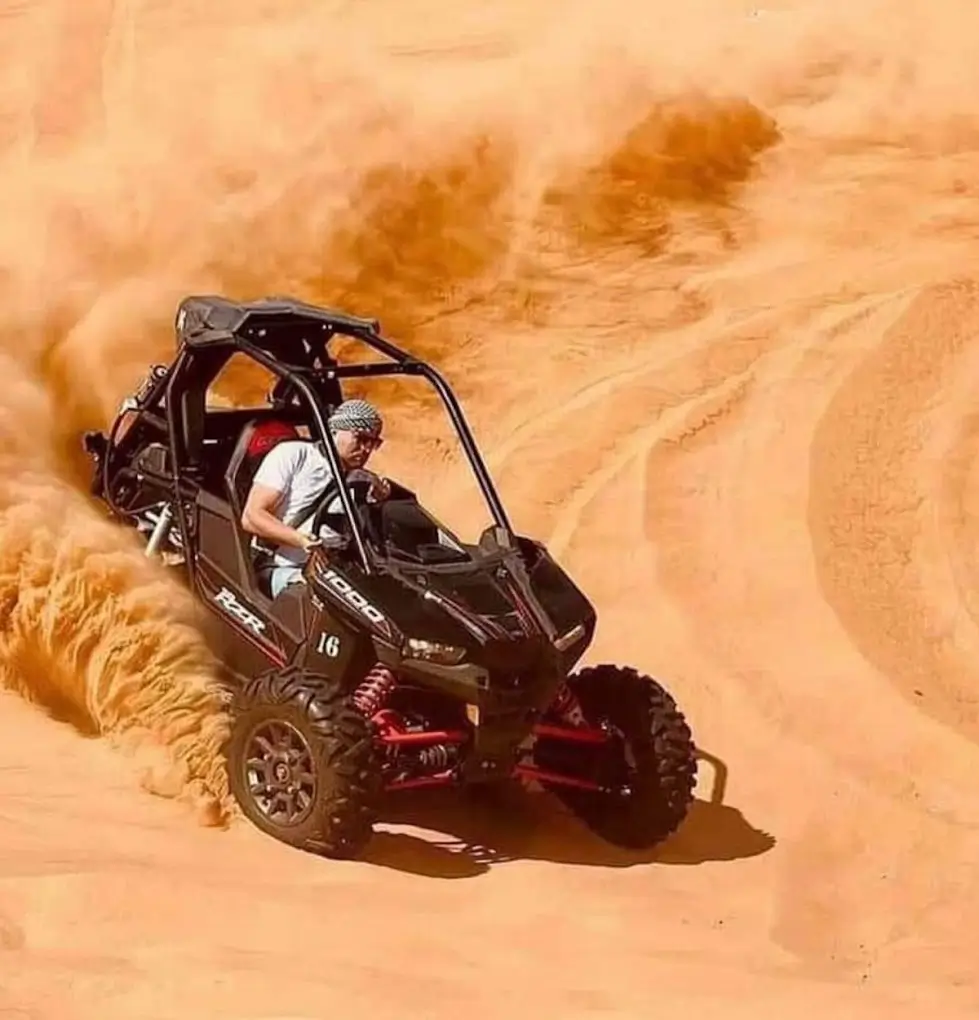
Dune Buggy vs Quad Bike DubaiWhich Should You Choose? (2026 Guide)
Introduction: Dune Buggy vs Quad Bike Dubai Dubai’s desert is a world of adventure, and two of the most popular ways to explore it are with a Dune Buggy or a Quad Bike in Dubai tour. But which one is right for you? If you’re asking yourself whether to book a dune buggy or a quad bike safari, you’re not alone. Thousands of tourists face this choice every year. Both offer adrenaline, freedom, and stunning desert views — but they’re very different experiences. This guide breaks down the differences between dune buggies and quad bikes in Dubai, helping you choose the perfect desert thrill for 2025. Both vehicles cover the same terrain — the golden dunes outside Dubai — but the riding experience is genuinely different. A dune buggy is a side-by-side machine: you sit enclosed behind a roll cage, which makes it significantly more accessible for passengers who aren’t confident on two wheels. A quad bike puts you fully exposed and fully in control, which appeals to riders who want a more physical, hands-on challenge. If you’re leaning toward a buggy, our dune buggy Dubai tours guide covers everything from solo rides to group bookings. If quad biking sounds more your style, the quad bike Dubai page has pricing, tour lengths, and difficulty levels. For those who have never done either, the first-time desert buggy rider tips and quad biking Dubai for beginners guides both contain useful preparation advice before you commit to a booking. What Is a Dune Buggy? A dune buggy is a powerful, off-road vehicle built specifically for desert driving. Key Features: 👉 Perfect for adventurous couples, friends, or families who want speed and comfort combined. Check out Dune Buggy Dubai Tours for available packages. What Is a Quad Bike? A quad bike (ATV – All-Terrain Vehicle) is a 4-wheel motorbike designed for solo desert rides. Key Features: 👉 Perfect for solo travelers and thrill-seekers who love control and adventure. Explore our Quad Bike Dubai Packages. Dune Buggy vs Quad Bike – Detailed Comparison Feature Dune Buggy Quad Bike Seats 2–4 seats (Can-Am, Polaris) 1 seat (solo) Power 1000cc–200 HP 150cc–700cc Safety Roll cage, seat belts, helmets Helmet, goggles only Comfort More stable, cushioned ride Rougher, bumpier ride Skill Level Easy for beginners Moderate – requires balance & control Best For Couples, groups, families Solo travelers, adrenaline lovers Price Range AED 700 – AED 1,200 per person AED 150 – AED 400 per person Which Experience Is More Thrilling? 👉 If you want controlled power + safety, go for a dune buggy.👉 If you want a solo, rough-and-tough ride, a quad bike is your best bet. Which Is Safer? Safety is a top concern for many travelers. Which Is Better for Families? ✅ Dune Buggy is the clear winner. ❌ Quad Bike is generally for single riders (age 16+). Which Is More Affordable? 💡 Tip: If you’re traveling in a group, special discounts are often available. Real Guest Experiences When to Choose Each Choose Quad Bike if? ✅ You’re a solo rider✅ You want a budget-friendly thrill✅ You enjoy more control and independence Conclusion So, dune buggy vs quad bike Dubai — which should you choose? 👉 If you want a premium, powerful, and safe desert experience, go with a Dune Buggy Dubai tour.👉 If you’re looking for a budget-friendly, solo thrill ride, the Quad Bike Dubai safari is your adventure. No matter which you choose, you’ll enjoy the majestic red dunes, expert guides, and unforgettable memories with Desert Buggys Dubai. Book Your Desert Adventure Today 🚀 FAQs: Dune Buggy vs Quad Bike Dubai Related Dubai Adventure Guides

The Ultimate Buggy Dubai 2026 – Desert Adventure Experience
Dubai is famous for its skyscrapers, luxury lifestyle, and world-class shopping malls—but did you know that some of the best adventures happen just outside the city in the desert? Among these, the dune buggy safari in Dubai is one experience that stands out. If you’re planning a trip in 2026, here’s why booking a dune buggy ride in Dubai should be at the top of your list. 2026 brings updated tour formats, revised pricing across most major operators, and a few new additions to the premium vehicle lineup. If you’re planning, this page covers everything that’s changed and what’s worth knowing before you book. For the most comprehensive overview of what’s available — including vehicle types, tour durations, and what’s typically included in the base price — see our dune buggy Dubai complete guide. The best dune buggy experiences in Dubai page has current operator reviews and is a useful companion when you’re narrowing down which company to book with. If hotel-to-desert transfers are important to you, hotel pickup for dune buggy Dubai is now available from an expanded list of pickup points across the city. Those looking at top-end vehicle options in 2026 should check the Can-Am Maverick X3 Turbo listing, which has been added to several operator fleets this year. What is a Dune Buggy Safari in Dubai? A dune buggy safari in Dubai is an off-road desert adventure where you drive or ride in a powerful buggy across the golden red dunes of Dubai. Unlike regular cars, dune buggies are lightweight, equipped with roll cages, harnesses, and safety gear, and built to handle steep dunes and sandy terrain. At Desert Buggys, you can choose between: 👉 Whether you’re a first-time visitor or a thrill-seeker, the buggy safari is tailored to both beginners and experienced drivers. Why Choose a Dune Buggy Safari in Dubai? 1. Thrill and Adrenaline Feel the power of a Can-Am Maverick X3 or Polaris RZR 1000CC as you climb, drift, and race across Dubai’s enormous dunes. 2. Perfect for All Travellers 3. Guided by Local Experts Our professional desert guides ensure your ride is both safe and exciting. They’ll even share fun desert stories and help capture photos for Instagram. 4. Extra Activities A buggy safari isn’t just about driving—add sandboarding, camel riding, and BBQ dinner under the stars for the whole desert safari experience. Dune Buggy Safari Dubai Prices (2026 Update) Here’s a quick look at current buggy and quad packages in Dubai: Package Duration Price (AED) Includes Self-Drive Dune Buggy – 2 Seater (Can-Am Maverick X3) Both rides, guide, and water AED 700 Safety gear, water, guide Self-Drive Dune Buggy – 4 Seater (Can-Am Maverick X3) 1 Hour AED 1,299 Refreshments, guide, photos Guided Dune Buggy Safari (Polaris RZR 1000CC) 2 Hours AED 1,499 Safety gear, water, support Quad Bike Safari – Yamaha 350 CC 1 Hour AED 399 Helmet, guide, refreshments Premium Quad Safari – Yamaha Raptor 700 CC 1 Hour AED 599 High-power quad, gear, guide Buggy + Quad Combo 2 Hours AED 1,799 Both rides, guide, water Private Dune Buggy Safari Dubai 2 Hours AED 2,499 Private guide, multiple vehicles 👉 Same-day bookings available. Book early to secure your slot. Where Can You Try Dune Buggy Rides in Dubai? Most dune buggy safaris take place at the Lahbab Red Dunes, located about 45 minutes from Dubai Marina and Downtown. This area is famous for its deep red sand, steep dunes, and beautiful desert views. Our packages also include free hotel pickup and drop-off, making it easy for visitors staying anywhere in Dubai. Safety Tips Before You Ride Before hitting the dunes, keep these safety tips in mind: 💡 Note: UAE law requires all tourists to have valid travel insurance before joining a buggy safari. Best Time to Book a Dune Buggy Ride in Dubai Why Desert Buggies is the #1 Choice If you’re searching for “dune buggy Dubai Marina,” “buggy ride near JBR,” or “self-drive dune buggy Dubai Downtown”, Desert Buggys has you covered. With free transfers from Dubai Marina, JBR, Palm Jumeirah, Downtown, and Deira, we make it easy for tourists staying anywhere in Dubai. Our local guides know every dune and ensure you get the safest, most thrilling ride possible. Frequently Asked Questions Q: Do I need a driving license to ride a dune buggy in Dubai?No—our buggies are automatic and beginner-friendly. Q: How fast can dune buggies go in Dubai?Up to 96 km/h, depending on the model and terrain. Q: What is the minimum age to drive a buggy?You must be at least 16 years old to drive; 15+ to ride as a passenger. Q: Can I combine dune buggy and quad bike rides?Yes, our combo packages let you enjoy both in one adventure. Q: Are dune buggies safe in Dubai?Yes—when driven responsibly and under the supervision of our guides. Final Thoughts – Book Your Dune Buggy Safari in Dubai A dune buggy safari in Dubai is more than just a ride—it’s an adventure you’ll remember for a lifetime. From racing across the Red Dunes of Lahbab to enjoying sunset views and desert activities, it’s the ultimate way to experience Dubai beyond the city lights. 👉 Ready to ride? Book your dune buggy Dubai adventure today with Desert Buggys – Dubai’s trusted off-road experts. Related Dubai Adventure Guides

Quad Bike Dubai Rental – Best Desert Quad Biking Experience
Quad Bike Dubai Rental, a city known for its luxury and extravagance, also offers thrilling adventures for those seeking an adrenaline rush. One of the most popular activities is quad biking in the vast and mesmerizing deserts of Dubai. Whether you are an adventure enthusiast or a first-timer, quad biking promises an unforgettable experience. Quick Highlights Why Ride with Desert Buggys Packages & Starting Prices Need VIP/private timing or sunrise/sunset slots? Available on request. What’s Included Who Can Ride? What to Wear? Why Choose Quad Biking in Dubai? What to Expect from a Quad Bike Rental in Dubai Popular Quad Biking Tours in Dubai How to Book Your Quad Bike Rental in Dubai Booking a quad bike rental in Dubai is easy and convenient. Follow these steps: Tips for a Safe and Enjoyable Quad Biking Experience Conclusion Quad biking in Dubai is a must-do activity for anyone visiting the city. With its stunning landscapes, top-quality rentals, and guided tours, you are guaranteed an adventure of a lifetime. So, gear up and get ready to explore the desert like never before with a thrilling quad bike rental in Dubai! For more information or to book your quad bike rental, visit Desert Buggys and embark on an adventure that you will cherish forever. FAQs: Quad Bike Rental in Dubai Q1. Do I need a driving license for Quad Bike Dubai?No UAE license needed for guided quad rides. You must be 16+ to drive and sign a waiver. Q2. Is it beginner-friendly?Yes. After a safety briefing, you’ll start on gentler dunes with a marshal leading the route. Q3. How long should I book—30 mins or 1 hour?30 mins is perfect for a quick thrill. 1 hour+ gives you higher dunes, more flow, and better photo spots. Q4. What’s included in the rental price?Safety briefing, helmet & goggles, water, guide, fuel, and support vehicle. Transfers and media are optional add-ons. Q5. How much does quad biking cost in Dubai?Our 350cc 30-minute ride starts from AED 150. Longer durations and premium timings are priced separately. Q6. Can you pick me up from my hotel?Yes—city hotel pick-up/drop-off is available. Meeting point options can save time and cost. Q7. What’s the difference between quad bikes and dune buggies?Quads are single-rider and nimble. Buggies have roll cages and harnesses—great for pairs/families and longer routes. Q8. What should I bring?ID, closed-toe shoes, sunglasses, and a card/cash for add-ons. Keep your phone in a zip-lock to protect it from sand. Q9. Can I film with a GoPro/phone?Yes—use a chest/helmet mount or wrist strap. Always follow the marshal’s instructions. Q10. What’s your cancellation policy?Free changes typically up to 24 hours before start time (check your booking for exact terms). Final Thoughts on Quad Bike Dubai Rental A Quad Bike Dubai Rental experience is the perfect way to explore the breathtaking red dunes and enjoy the thrill of off-road desert adventure. Whether you are a beginner or an experienced rider, desert quad biking in Dubai offers excitement, stunning scenery, and unforgettable memories. With powerful ATVs, professional guides, safety equipment, and optional desert activities, it is one of the top outdoor experiences for tourists, families, and adventure lovers visiting Dubai.
Dune Buggy Dubai Quad Biking Dubai | The Ultimate Desert Adventure
Dune Buggy and Quad Biking in Dubai, a city known for its towering skyscrapers and luxurious lifestyle, also offers a thrilling side to adventure enthusiasts. Dune buggy and quad biking in Dubai have become increasingly popular, offering an exhilarating experience amidst the vast Arabian Desert. Let’s dive into this world of adventure and explore what these activities entail. Combining dune buggy and quad biking in a single Dubai desert session is one of the best ways to experience the full range of off-road driving the UAE has to offer — and several operators now offer exactly this as a packaged activity. Our dune buggy Dubai tours page and quad bike Dubai guide cover each vehicle category separately with current pricing and available session lengths. If you want to see how the two experiences compare before committing to a combined session, the dune buggy vs quad bike Dubai comparison is the clearest breakdown available. For those who haven’t driven either vehicle before, both the first-time buggy rider guide and the quad biking Dubai for beginners page cover what to expect from a first session in practical terms. Combining both vehicles in one day is a particularly good option for those who want to compare the experiences directly and understand which format they prefer for future visits. History of the Dune Buggy The dune buggy, an off-road vehicle, has a fascinating history. Initially designed to navigate the rough terrains of deserts, these vehicles have now become synonymous with adventure sports. History of Quad Biking Similarly, quad biking, also known as ATV (All-Terrain Vehicle), has its roots in providing mobility on varied landscapes. Over time, it has evolved into a popular recreational activity. Why Dubai for Adventure Dubai’s unique landscape makes it an ideal spot for dune buggies and quad biking. The endless sandy terrain and the challenging dunes provide a perfect playground for these activities. Essential Gear for Dune Buggy and Quad Biking Before embarking on this adventure, it’s crucial to know about the essential gear required for safety and comfort. This includes helmets, gloves, goggles, and appropriate clothing. Top Dune Buggy Experiences in Dubai Dubai offers various dune buggy experiences that cater to different skill levels. From beginner-friendly trails to challenging dune bashes, there’s something for everyone. Top Quad Biking Experiences in Dubai Similarly, quad biking in Dubai offers a range of experiences. Whether you’re a first-timer or an experienced rider, the desert landscape provides an unforgettable experience. Safety Measures Safety is paramount in these adventurous activities. We’ll discuss the safety measures and guidelines that are in place to ensure a secure experience. Best Time to Go Discover the best times of the year to engage in dune buggy and quad biking in Dubai for optimal weather conditions and an enjoyable experience. Cost Considerations Understanding the cost involved in these activities is essential for planning your adventure. We’ll explore the different pricing options and what they include. Choosing the Right Tour Operator Choosing a reliable and experienced tour operator is crucial for a safe and enjoyable experience. We’ll guide you on what to look for when selecting a tour operator. What to Expect During the Adventure Set your expectations right as we walk you through what a typical dune buggy or quad biking adventure in Dubai looks like. Cultural Etiquette in Dubai Being respectful of the local culture and traditions is important. We’ll discuss cultural etiquette to keep in mind while enjoying your adventure in Dubai. Environmental Considerations As we enjoy the natural landscape, it’s also our responsibility to protect it. We’ll talk about the environmental considerations to be mindful of during these activities. Conclusion: Summary and Final Thoughts Wrapping up, we’ll summarize the key points and share final thoughts on experiencing the thrill of dune buggies and quad biking in Dubai. Related Dubai Adventure Guides
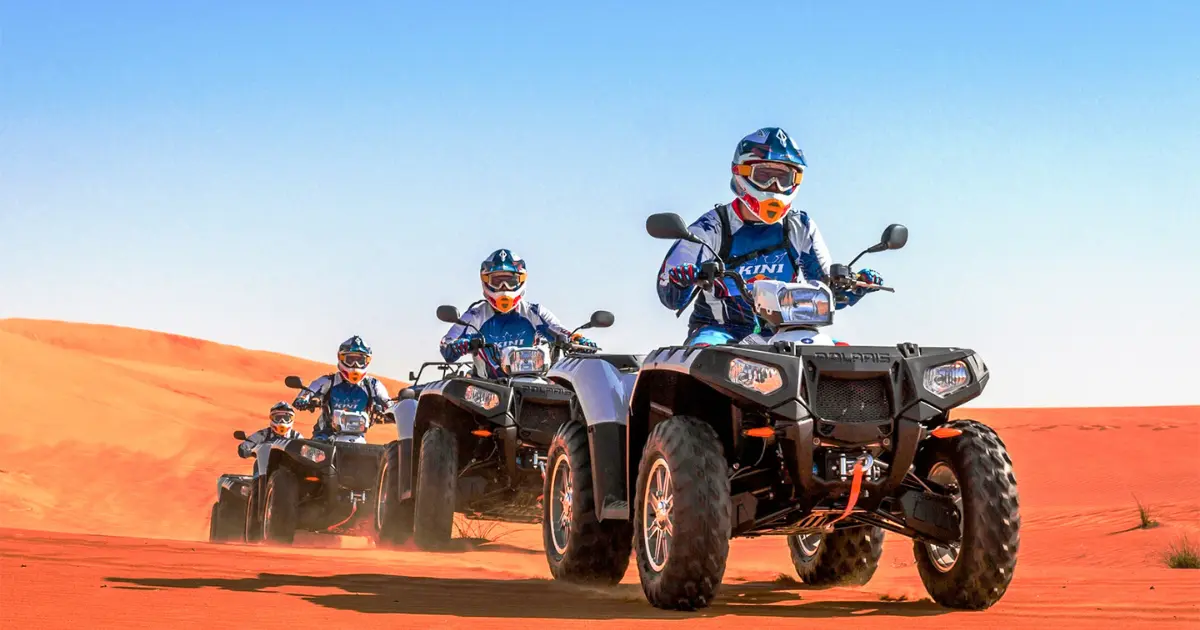
Dune Buggy Dubai and Quad Biking Dubai Rides | The Ultimate Desert Adventure
Embracing the Thrills of Dubai’s Desert Dubai, a city known for its breathtaking skyscrapers and luxurious lifestyle, also offers an enthralling experience for adventure seekers: dune buggy Dubai and quad biking Dubai rides in its vast deserts. This article delves deep into these exciting activities, providing a comprehensive guide for enthusiasts and first-timers alike. The Allure of Dune Buggy Rides Understanding Dune Buggies: Your Desert Companion Dune buggies are specially designed vehicles for the desert terrain, offering both safety and an adrenaline rush. Equipped with powerful engines and off-road tires, they provide an exhilarating ride over Dubai’s sandy landscapes. Why Choose a Dune Buggy Ride? Dune buggy rides in Dubai are not just about speed; they’re an experience that combines the thrill of racing with the beauty of the desert. These rides cater to all, from thrill-seekers to those who wish to explore the desert’s tranquilly. The excitement of quad biking Quad Biking: A Versatile Adventure Quad bikes, also known as ATVs (all-terrain vehicles), are perfect for navigating the challenging dunes of Dubai. They offer a more individualistic experience, allowing riders to control their adventure’s pace and intensity. Reasons to Opt for Quad Biking Quad biking is popular for its ease of handling and suitability for various skill levels. It’s an excellent choice for families and groups who want to experience the desert’s allure together. Planning Your Adventure The Best Time to Go The ideal time for dune buggy and quad biking in Dubai is during the cooler months, from October to April. The pleasant weather during this period makes the experience more enjoyable. Safety Measures and Tips Safety is paramount on these adventures. Operators provide safety gear and briefings. It’s crucial to follow instructions and stay hydrated. Choosing the Right Tour Operator Factors to consider When selecting a tour operator, consider their safety record, the quality of vehicles, and customer reviews. It’s also essential to check if they provide comprehensive safety briefings and gear. Recommended Tour Operators Extreme Dune Buggy Dubai Tour | Desert Buggys is known for its well-maintained vehicles and experienced guides. Customizing Your Ride Experience Solo vs. group rides You can choose between solo rides or group tours. Solo rides offer a more personal experience, while group tours are great for bonding and sharing the adventure. Night Rides: A Unique Experience Some operators offer night rides, providing a different perspective of the desert under the stars. Environmental Considerations Preserving the Desert While enjoying these activities, it’s crucial to be mindful of the desert’s delicate ecosystem. Responsible tour operators adhere to environmental guidelines to minimize impact. The cultural aspect Bedouin Culture Many tours include a glimpse into the Bedouin lifestyle, offering a cultural experience alongside the adventure. Conclusion: An Unforgettable Adventure Awaits Dune buggy and quad biking in Dubai are not just activities; they’re an opportunity to experience the desert’s majesty and thrill. Whether you’re an adrenaline junkie or seeking a unique way to explore Dubai’s natural landscape, these rides promise an unforgettable adventure. Book your ride today and prepare for an exhilarating journey through the sands of Dubai!
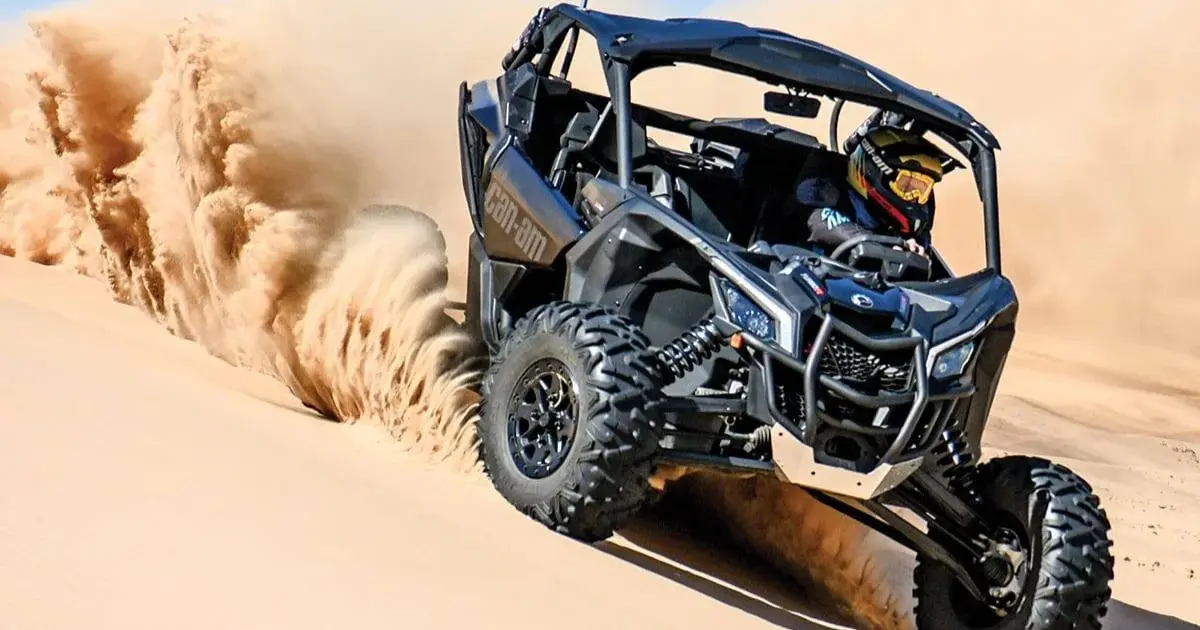
Can-Am Maverick X3 Turbo – Ultimate Dune Buggy Adventure in Dubai
Dubai, known for its ultramodern architecture and luxurious lifestyle, is also a hub for adrenaline-packed desert adventures. And when it comes to desert exploration, nothing can match the exhilaration offered by the Can-Am Maverick X3 Turbo rental desert buggy. Quick Specs Why Choose This Ride Packages & Starting Price Add-ons: hotel transfers, pro photos/video, camp activities. The X3 Turbo is the machine operators put in front of riders who already know what they’re doing. It’s not an introductory vehicle — the power delivery is aggressive and the suspension travel means you can carry significant speed over terrain that would stop a standard buggy dead. If you’re weighing this up against the naturally aspirated X3, the Can-Am Maverick X3 Dubai experience guide covers the key differences in a format that doesn’t require an engineering background to follow. For context on where the Turbo fits within the wider range of options available in Dubai, our complete dune buggy Dubai guide covers everything from standard buggies to premium performance vehicles. To see how this experience compares to other top-rated operators, the best dune buggy experiences in Dubai roundup includes specific X3 Turbo operator reviews. Timing your visit matters with this vehicle — soft sand conditions in summer genuinely affect performance, so check the best season for dune buggy Dubai before confirming dates. What’s Included Good to Know The Thrill of a Can-Am Maverick X3 Turbo Rental The Can-Am Maverick X3 Turbo isn’t just an off-road vehicle; it’s a statement of performance and excitement. With its turbocharged and intercooled Rotax ACE engine, this beast can take you places no ordinary vehicle can. Its advanced suspension and high-performance brakes ensure an exhilarating yet secure ride. The cockpit of the Maverick X3 Turbo is designed for comfort and control. It’s well-appointed, with a low seating position that keeps the centre of gravity low, ensuring stability while traversing the Dubai desert’s shifting sands. The four-point harness secures you firmly in the seat, allowing you to enjoy the ride safely. Helpful Dune Buggy Guides Best Time for Dune Buggy Dubai What to Wear on a Dune Buggy in Dubai Dune Buggy Dubai Safety Tips Dune Buggy Dubai for Families Morning vs Evening Dune Buggy Tours Unmatched Desert Exploration in Dubai Renting a Can-Am Maverick X3 Turbo in Dubai allows you to venture into the desert and discover its stunning beauty. Take a break from the city’s bustling streets, step into your buggy, and feel the rush of speed as you navigate the dunes. These off-road vehicles are perfect for sightseeing tours, allowing you to explore independently. With Dubai’s warm climate, it’s always a great time for a desert buggy adventure. Safety and Environment-Friendly Safety is a top priority when renting a Can-Am Maverick X3 Turbo in Dubai. The rental companies provide comprehensive briefings and protective gear to ensure your ride is as safe as possible. Moreover, these desert buggies are eco-friendly, meaning you can enjoy your adventure without causing harm to the desert ecosystem. Can-Am Maverick X3 Turbo Rental Desert Buggy Renting a Can-Am Maverick X3 Turbo in Dubai offers an unparalleled experience of the vast desert landscapes. It combines the thrill of high-speed adventure with the beauty and serenity of the desert environment. If you’re seeking a unique adventure in Dubai, don’t miss the opportunity to harness the raw power of the Can-Am Maverick X3 Turbo desert buggy. FAQs: Can-Am Maverick X3 Turbo Q1. Do I need a driver’s license to drive the Can-Am X3 Turbo?No local license required for guided tours; 16+ to drive, and a waiver is signed. Q2. Is this suitable for first-timers?Yes. You’ll get a full briefing, start on gentler dunes, and follow a marshal. Q3. What’s the difference between 1-hour and 2-hour rides?1 hr is the sweet spot. 2 hrs reaches bigger dunes, with more photo time. Q4. Can I book a 4-seater buggy instead?Yes—ask for the 4-seater Can-Am/Polaris option if you’re coming with friends/family. Q5. What’s included in the price?Safety gear, briefing, marshal-guided route, water, fuel. Transfers and media are add-ons. Q6. Is hotel pick-up available?Yes—Dubai city pick-up/drop-off on request; meeting point options available. Q7. Can I bring a phone/GoPro?Yes—use a chest/helmet mount and keep devices in a zip-lock between shots. Q8. What’s your cancellation policy?Commonly free up to 24 hours before start time (check your booking terms). Why the Can-Am Maverick X3 Turbo Is the Ultimate Desert Ride Final Thought The Can-Am Maverick X3 Turbo delivers an unmatched off-road experience for adventure lovers looking to conquer Dubai’s red dunes in style. With its powerful turbocharged engine, advanced suspension, and high-speed performance, this premium dune buggy is built for thrill seekers who want excitement, comfort, and unforgettable desert memories. Whether you are riding solo, with friends, or with family, the Can-Am Maverick X3 Turbo offers one of the best desert adventures in Dubai. Related Dubai Adventure Guides
Desert Safari Dubai Deal: A Comprehensive Guide to Your Next Adventure
At Desert Buggys, experiencing a desert safari in Dubai is a must-do for anyone visiting the city. It’s an exhilarating and unique adventure that you won’t find anywhere else in the world. But with so many options, how do you know which desert safari Dubai deal is right for you? This comprehensive guide will take you through everything you need to know to make the most of your next adventure. What is a Desert Safari? A desert safari is a popular tourist activity that involves driving through the desert in a 4×4 vehicle, dune bashing, and other thrilling activities. It’s an excellent way to experience the beauty of the desert landscape and take part in some unique experiences. There are many types of desert safaris, ranging from short trips to overnight stays in a traditional Bedouin camp. Choosing the Right Desert Safari Dubai Deal When choosing the proper desert safari Dubai Price, there are a few things you need to consider. Here are some of the most critical factors: What to Expect on Your Desert Safari Now that you’ve chosen your desert safari Dubai deal, it’s time to prepare for your adventure. Here’s what you can expect on your trip: Tips for a Memorable Desert Safari To make the most of your desert safari, here are some tips to keep in mind: At Desert Buggys, we offer a range of desert safari Dubai deals that are perfect for anyone looking to experience the beauty of the desert.
Desert Safari with Dune Buggy Dubai Rental
Overview: Desert Safari with Dune Buggy Dubai Rental A Desert Safari with Dune Buggy, Dubai Rental experience, is a must-do activity in Dubai’s deserts. Most thrill seekers who enjoy adventure have a desert safari with a dune buggy in Dubai on their wish list. If you enjoy interacting with these potent all-terrain vehicles, embark on this journey. Dune buggy Dubai excursions are another variety of desert safari. Visitors to Dubai must go on a desert safari because a trip there wouldn’t be complete without it. This desert safari features a variety of exciting activities, like camel riding and sandboarding. If this elevates your curiosity, let’s go over the specifics so you can understand what we’re offering and how it can enhance your vacation. Why Book With Desert Buggys Safari? We always ensure that our clients receive services that are welcoming. We have included many fun activities in our desert safari, including a dune buggy ride, to make your vacation even better. Additionally, we offer customer-friendly policies so everyone can book any package satisfactorily. Numerous people travel to the deserts of Dubai to partake in the desert safari, which is becoming increasingly popular worldwide. We are offering you different discounts and offers as a result. Remember to avail them! What Are We Offering In This Package? Desert safari is getting more popular daily; conversely, the Desert Safari with Dune Buggy Dubai Rental is also excellent. Considering this, we created a Desert Safari with a Dune Buggy Dubai Rental combo. Let us guide you through the details of a desert safari with a dune buggy. Tour By Land Cruiser This adventure will begin with a desert tour as you enjoy the beauty of the desert in the specially designed Land Cruiser. This will enhance your vacation experience. You will become acquainted with many aspects of the desert over time. Buggy rental in Dubai The dune buggy included in this package is a Polaris 1000 CC with two seats. A dune buggy can enjoy this ride with a friend or with your partner. Desert buggy rentals are the most popular form of transportation in the desert. They are great for exploring off-road destinations and for sandboarding. The dune buggy Dubai rental is an automobile designed to be used off-road or on loose sand. It is usually a lightweight open vehicle with four wheels and no roof, but it can also be a convertible or pickup truck with an available bed and four large wheels. Ride in Red Dunes You will have the opportunity to go on a dune buggy adventure in the magnificent red dunes of the Dubai desert. Red dunes are sandy dunes that are red due to the presence of iron oxide (hematite) coatings on individual grains. This is the best place to ride a dune buggy. Refreshments We will take a break after the dune buggy ride. You will be reactivated by our refreshing system, which we have set up for you during this time. In that case, we are refreshing you because the upcoming activities will consume your energy. Dune Bashing & Sand Boarding The following activity in this package will be the most well-known: dune bashing, as you are taken high on the dunes and rapidly descend in your vehicle. This will significantly enhance your desert safari experience. Our expert drivers will lead this activity and demonstrate their professional driving skills. After that, you will have the opportunity to go sandboarding on the desert dunes. You will be given a skateboard and instructed to slide down it. This is a fun activity to do in the desert. Tanoura Dance Show: The Tanoura is a type of dance show in the Middle East performed by a group of females or males. The Tanoura dance show is an ancient dance performance that originated in the Middle East. A group of dancers typically performs it, including music, singing, and hand gestures. The Tanoura was initially performed to entertain guests during parties. Belly Dance: Belly Dance is an ancient form of dance that originated in the Middle East and North Africa. It is a sensual dance that involves the dancer’s hips, stomach, and thighs. It is often seen as a part of a cabaret show or entertainment at private parties or events. Fire Show: It is also an incredible and dangerous show that the executives put on. It is made up of various stunts and tricks performed by experts. These experts are highly trained and will undoubtedly dazzle the audience. Henna Painting & Camel Riding The next activity will be henna painting, a popular and traditional tourist activity during a desert safari. Henna painting has been used to express love between spouses or courting couples in many cultures, but it is not limited to romantic purposes. Following this, you can participate in the most challenging activity, camel riding. This will transport you to a time when the Arabs were present and accurately depict those scenes. Camel riding is one of the most enjoyable activities every tourist wishes to partake in while visiting the desert. BBQ Dinner with unlimited soft drinks Last but not least, you will undoubtedly become hungry after all these activities, but don’t worry; we have made adequate provisions for you. The BBQ dinner will be served, so you can relax and enjoy it under the beautiful desert sky. This will give you positive vibes. Also, remember to take advantage of our unlimited soft drink offer. Things to Keep In Mind Keep in mind these crucial things to elevate your desert safari experience. FAQs: Desert Safari with Dune Buggy Dubai Rental If you’re looking for a package combining a desert safari with a thrilling dune buggy ride, look no further and book this package immediately. This package, a desert safari with a dune buggy, will undoubtedly provide you with the best desert safari experience possible because it includes all of the must-do activities in the desert. Furthermore, before making a reservation, remember the tips mentioned above. This will significantly improve your desert