Sharjah / Dubai Border · UAE Desert Guide 2026
Al Badayer Desert
& the Legend of Big Red
The complete guide to the UAE’s most dramatic red dunes — beyond the buggy tour brochures
15 min read · Updated May 2026 · Activities, Prices, Photography, Wildlife & More
The sand at Al Badayer doesn’t look like any other sand in the UAE. It glows. A deep iron-rust red that shifts from amber at midday to almost violet at dusk, it stretches across a plateau in Sharjah’s interior and forms some of the highest, steepest dunes near the city. Locals call it Big Red. Visitors from around the world call it unforgettable.
Most guides about Al Badayer read like buggy tour catalogues — a list of activities, a pricing table, and a call to book. This guide is different. We’ll cover everything: the geology behind the colour, the best times to go (and what most people get wrong), the wildlife you probably didn’t know lived here, packing lists, photography guidance, nearby secrets, and yes — a clear breakdown of every activity and its cost.
📍 Important to Know
Al Badayer is technically in the Emirate of Sharjah, not Dubai — it sits on the Dubai–Sharjah border along the E44 highway. Many tour operators market it as a “Dubai desert,” which is fine for navigation purposes, but knowing this helps when reading maps and booking transport.
What’s in this guide
- Why is the sand red? (The science)
- Location, distances & how to get there
- Can you visit for free?
- Every activity, explained & priced
- Best time to visit
- Desert wildlife you might encounter
- Photography & drone guide
- What to wear & pack
- Overnight camping guide
- Nearby attractions worth combining
- FAQ — 10 questions answered
Why is the sand red? The geology behind the colour
This is the question every first-time visitor asks, and almost no guide bothers to answer properly. The striking rust-red colour of Al Badayer’s dunes comes from iron oxide — the same compound that makes Mars look red — coating the individual grains of quartz and feldspar that make up the sand.
Over thousands of years, as the sand was carried by wind across the Arabian Peninsula, trace amounts of iron in the grains oxidised and formed a thin ferric coating. The older and more weathered the sand, the deeper the red. Al Badayer’s position on the Sharjah plateau, away from the bleaching effect of coastal humidity, has allowed this colour to intensify over millennia.
The dunes here are also unusually tall for their proximity to a major city. Big Red — the iconic star dune at the heart of the area — rises steeply enough that even experienced 4×4 drivers approach it with respect. Its height and isolation make it visible from several kilometres away on the E44 highway, like a crumbling red fortress rising from the flat desert floor.
Location & how to get there
Al Badayer Desert is located along the Dubai–Hatta Road (E44), approximately 65 km southeast of Sharjah city centre and around 50–60 minutes by car from central Dubai depending on traffic. You’ll find it on Google Maps as “Al Badayer Desert” or “Big Red Dune Sharjah.”
| Starting Point | Distance | Drive Time |
|---|---|---|
| Downtown Dubai / Burj Khalifa | ~60 km | 55–60 min |
| Dubai International Airport (DXB) | ~50 km | 45–50 min |
| Dubai Marina / JBR | ~80 km | 70 min |
| Deira / Old Dubai | ~55 km | 50 min |
| Sharjah City Centre | ~65 km | 55 min |
| Abu Dhabi (city centre) | ~200 km | 2 hrs |
Driving yourself
Self-driving is easy. Take the E44 from Dubai toward Hatta. After passing through the desert landscape, you’ll see the red dunes on both sides of the road and a clear turning for the desert area. Standard cars can park at the roadside viewing area. For exploring deeper into the desert, a 4×4 is strongly recommended — standard cars have been stuck in soft sand here.
Going by tour transfer
Most licensed tour operators offer hotel pickup from Dubai in 4×4 vehicles, typically from downtown, Marina, or Deira. This adds roughly 30–45 minutes of travel time but removes all navigation stress.
💡 Pro Tip
Avoid the E44 road during Friday afternoon rush hours (3–6pm). The highway backs up with residents heading to the desert for the weekend. Either leave before 1pm or after 7pm.
Can you visit Al Badayer for free?
Yes — and this is something most competitor guides never mention, presumably because they’re all trying to sell you a tour.
Al Badayer is a public nature area. According to the UAE Ministry of Climate Change & Environment, entry fees only apply when booking through a tourism company. If you drive yourself to the area, park up, and explore on foot, watch the sunset, or camp, there is no admission charge.
What you pay for are the commercial activities: buggy hire, quad bikes, guided safaris, camel rides, and desert camp packages. If you’re happy to walk, photograph, picnic, and soak in the landscape, Al Badayer is entirely free to visit.
✅ Free things you can do at Al Badayer
Sunrise and sunset watching from Big Red · Desert hiking · Photography and drone flying (see drone rules below) · Stargazing · Picnicking · Self-guided camping (check local regulations before pitching) · Wild camel spotting
Every activity at Al Badayer — explained & priced
Al Badayer has one of the widest activity menus of any desert destination near Dubai. Here’s a complete breakdown of what’s available, what each experience actually involves, and what you should expect to pay in 2026.
Dune Buggy (Self-Drive)
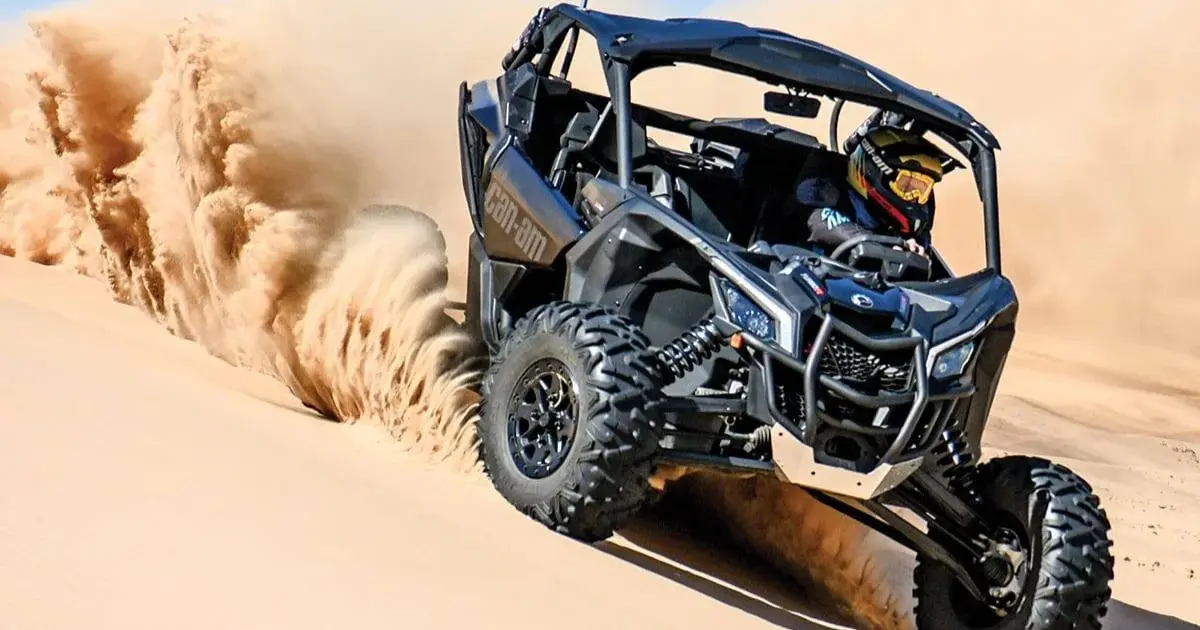
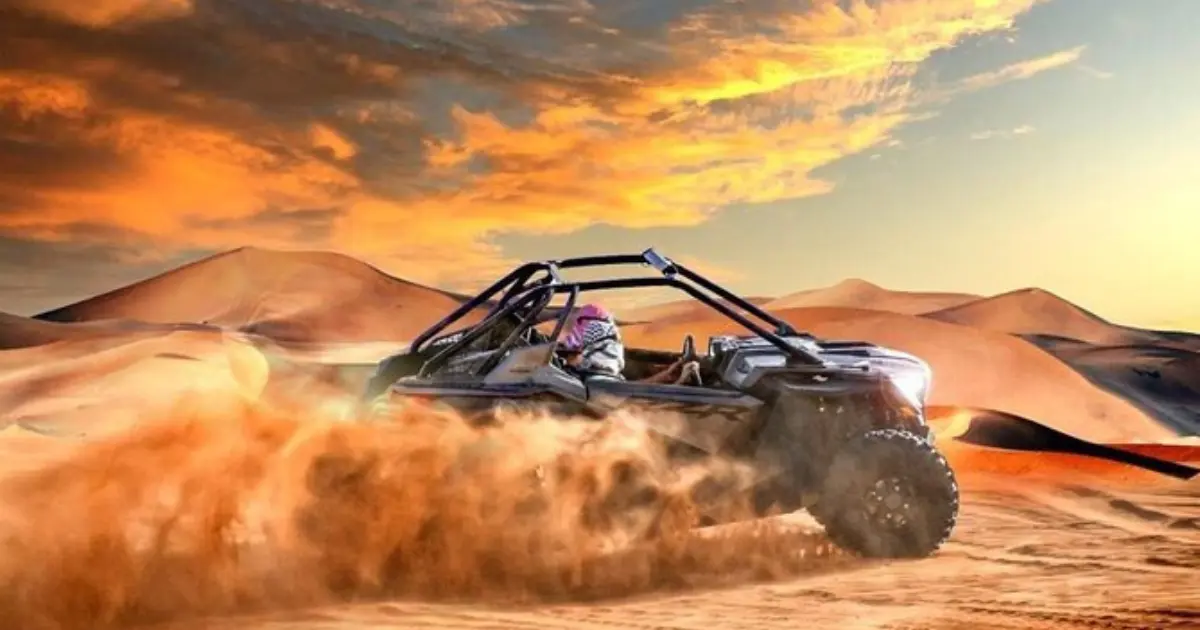
Drive a Can-Am Maverick or Polaris RZR across the red dunes. No license required. Safety briefing and gear provided. Best for thrill-seekers and confident drivers.
AED 399–1,499Quad Bike / ATV
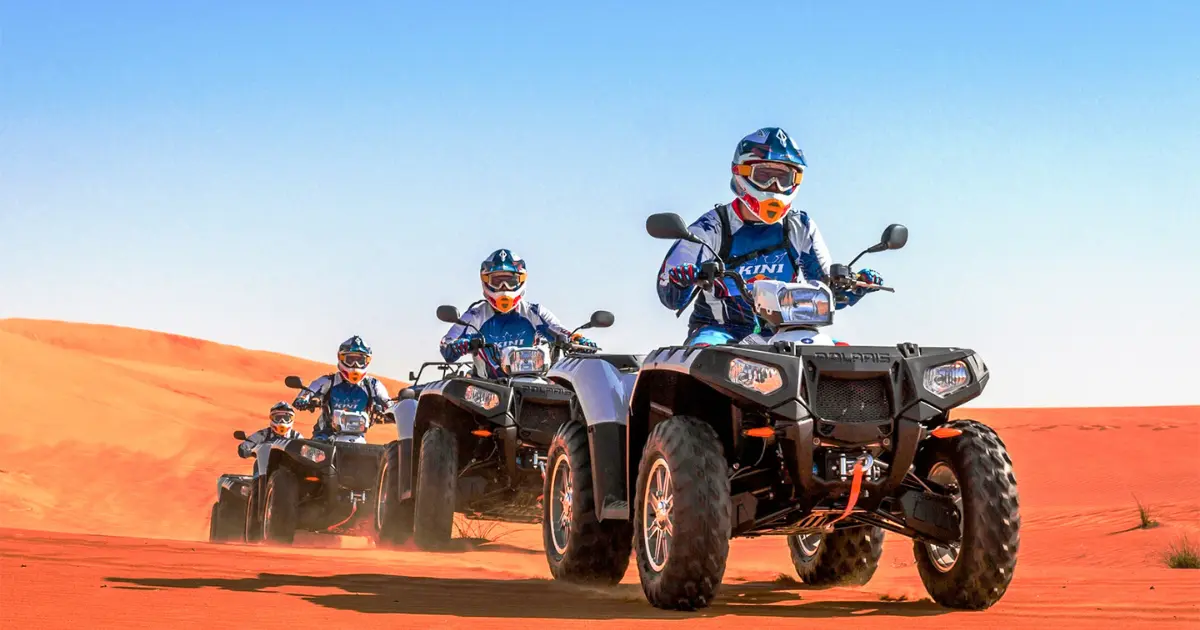
Solo motorised riding across open dunes. More physical and exposed than a buggy. Yamaha and Kymco models typically available. Great for solo adventurers.
AED 150–6004×4 Dune Bashing
Guided off-road drives in Land Cruisers or Fortuners. The driver handles everything — you just hold on. Good for families and first-timers.
AED 150–350Sandboarding
Strap a board to your feet and slide down Big Red’s slopes. Requires a bit of hiking up to the crest first. Fun for all ages, often included in safari packages.
AED 50–100 (standalone)Camel Rides
Short guided camel treks around the camp area. A traditional desert experience, slower-paced, and popular with families and children.
AED 50–100Desert Safari Package
Combo tours combining dune bashing, camel ride, sandboarding, henna, BBQ dinner, and live entertainment at a desert camp. Great value all-in-one evening.
AED 150–500Overnight Desert Camp
Bedouin-style tents, stargazing, campfire, dinner, and sunrise in the dunes. A transformative experience most tourists miss entirely.
AED 400–900 per personDirt Bike Riding
Available from some operators for riders with experience. Fast, agile, and more technical than quad bikes. Usually requires a valid motorcycle license.
AED 200–500Full pricing comparison table
| Activity | Duration | Price Range (AED) | Best For |
|---|---|---|---|
| Dune Buggy (700cc) | 30–60 min | 399–799 | Couples, friends |
| Dune Buggy (1000cc Can-Am/Polaris) | 60 min+ | 799–1,499 | Thrill-seekers |
| Quad Bike | 30–60 min | 150–600 | Solo riders |
| 4×4 Dune Bashing (shared) | 1–2 hrs | 150–250 | Families, first-timers |
| Desert Safari (evening, shared) | 5–6 hrs | 150–350 | Everyone |
| Desert Safari (premium) | 5–6 hrs | 350–500 | Couples, special occasions |
| Overnight Camp | 18 hrs | 400–900 | Adventurers, photographers |
| Sandboarding (standalone) | 1 hr | 50–100 | Add-on, kids |
| Camel Ride | 15–20 min | 50–100 | Families, kids |
⚠️ Booking Tip
Prices vary significantly between operators. Always confirm whether the price includes VAT, transfers from Dubai, safety gear, and any mandatory “insurance” fees before booking. Shared tours are much cheaper than private; if you’re a group of 4+, private often works out better value.
Best time to visit Al Badayer Desert
This is where most guides oversimplify. They say “October to April is best” and leave it at that. Here’s the nuanced version:
October – April (Peak Season)
Temperatures 15–30°C. Comfortable all day. October and March are best for photography — golden light, dramatic skies. January and February can be surprisingly cold overnight (8–12°C), so bring a layer for camping.
May – September (Summer)
Daytime temps hit 45–50°C. Outdoor activities are only safe before 8am or after 5pm. Some operators suspend daytime tours. Not recommended unless you’re doing a dawn or night session specifically.
Best time of day — the photographer’s breakdown
Sunrise (6:00–8:00am): The best light of the day. The dunes glow deep amber, there are virtually no crowds, and the cool air makes physical activities like sandboarding and hiking a pleasure. If you only have one chance to go, make it sunrise.
Morning (8:00–11:00am): Still comfortable. Good for buggy and quad rides before the heat builds. The sand surface is firm and fast from the cool night.
Midday (11am–3pm): Avoid from May to September. In winter months it’s manageable, but the light is harsh for photography and activities feel more tiring.
Late Afternoon / Sunset (4:00–6:30pm): The most popular time. Golden light, cooling temperatures, and the full energy of the desert coming alive. Best for safaris and group activities.
Night: Stargazing and campfires. Light pollution from Dubai is minimal at Al Badayer; on clear nights the Milky Way is visible. Night buggy tours with headlights cutting through the dunes are a genuinely unique experience.
Desert wildlife — what lives in the red dunes
This is a section you won’t find in any competitor’s guide, and it’s one of the most rewarding aspects of visiting Al Badayer — especially if you go at sunrise or stay overnight. The desert is far from empty.
Wild Camels
Free-roaming camels wander the area around Al Badayer. Early mornings are the best time to spot them against the red dunes. Keep your distance — they’re unpredictable.
Arabian Red Fox
Nocturnal and shy, but spotted regularly around the dune perimeter at dusk and dawn. Their tracks in soft sand are often easier to find than the fox itself.
Sand Skinks & Geckos
Several species of lizard thrive in the red sand. The Arabian sand skink can literally swim through sand. Look for trails after sunrise near shrub roots.
Desert Birds
Cream-coloured coursers, various wheatears, and raptors circle over the dune system. Migrating species pass through in October–November and March–April.
Desert Flora
Hardy ghaf trees, desert grasses, and flowering plants dot the inter-dune hollows. After winter rains (rare but not unheard of), the desert can produce brief, beautiful blooms.
Desert Hedgehog
The Ethiopian hedgehog is present in the UAE’s desert scrublands. Nocturnal and extremely elusive — mostly a bonus sighting for overnight campers.
🌿 Responsible Visiting
Al Badayer is a designated ecotourism area. Do not disturb wildlife, take sand or rocks, or leave litter. The UAE imposes fines for littering in nature areas. Leave the desert exactly as you found it.
Photography & drone guide for Al Badayer
Al Badayer is one of the most photogenic desert locations in the UAE — and the conditions change dramatically by the hour. Here’s how to make the most of it.
Shoot during the golden hour, not midday
The red sand amplifies warm light at golden hour. Midday sun bleaches the colour and creates harsh shadows. The best shots happen in the 40 minutes after sunrise and the hour before sunset, when low-angle light rakes across the dune ridges and creates deep shadow lines.
Climb for the ridge-line shot
Hike up to the crest of Big Red for the classic shot — a razor-sharp ridgeline bisecting sky and sand. Shoot along the ridge rather than perpendicular to it. Early morning in October–March you may get soft mist in the background valleys.
Drone rules — what you must know
Drone flying is permitted in the general Al Badayer area but requires a DCAA (Dubai Civil Aviation Authority) permit for commercial use. For recreational flying, standard UAE rules apply: stay below 400 feet, maintain line of sight, avoid flying over people, and never fly within 5 km of an airport. Al Badayer is outside restricted airspace, but always check the GCAA drone portal before flying.
Protect your gear from sand
Fine desert sand is merciless on camera equipment. Use a UV filter to protect lens glass. Keep a blower brush and microfibre cloth easily accessible. Ziplock bags over your camera body during buggy or quad rides is a simple but effective solution. Never change lenses in open desert — sand will penetrate the sensor.
Night photography — Milky Way over the dunes
On new moon nights between October and April, Al Badayer offers genuine dark-sky conditions. The Milky Way is visible and brilliant. A wide-angle lens (14–24mm), f/2.8 or faster, and ISO 3200–6400 with a 20–25 second exposure will capture it. Bring a sturdy tripod — the sand shifts.
What to wear & pack for Al Badayer
Surprisingly absent from every competitor guide. What you wear and bring makes the difference between a comfortable adventure and a miserable one.
✅ Essentials
🎒 Nice to Have
🚫 What NOT to wear
Avoid open-toe sandals or flip-flops — the sand is sharp and the terrain is uneven. Avoid all-black clothing in summer months (heat absorption). Avoid loose, flowing fabrics for buggy or quad rides — they catch on equipment. Light-coloured clothing is both cooler and easier to brush sand off.
Overnight camping at Al Badayer
The overnight experience at Al Badayer is what separates the tourist from the traveller. When the day-trippers leave and the tour buses head back to Dubai, the desert becomes a completely different place. The silence settles in. The temperature drops by 15–20°C. The stars appear in their thousands.
Two ways to camp
Organised Bedouin camp: Several operators run overnight desert camp packages that include a large communal tent, mattresses and bedding, dinner and breakfast, stargazing, campfire, and a wake-up for sunrise. These typically cost AED 400–900 per person and include most meals and activities.
Independent camping: You can camp independently at Al Badayer — it’s a public nature area. Bring your own tent, sleeping bags, food, and water. The recommended season is November through February, when overnight temperatures are comfortable (10–18°C). In summer, overnight temperatures can still exceed 35°C, making independent camping dangerous without proper equipment.
🌠 Stargazing at Big Red
Al Badayer sits far enough from Dubai’s light dome that on clear, moonless nights the sky is genuinely spectacular. The best months for Milky Way visibility are October, November, January, and February. Download the Sky Map or SkySafari app before you go — the desert sky will surprise you.
What to expect on an overnight camp
Arrive around sunset, settle in, eat dinner under the stars, gather around a campfire, fall asleep to silence, and wake before dawn to watch the dunes turn amber as the sun rises. For many visitors, it becomes the single best memory of their entire UAE trip.
Nearby attractions worth combining
Al Badayer’s location on the E44 corridor puts it within striking distance of several extraordinary — and largely overlooked — destinations. Combine any of these for a full day or weekend trip.
Fossil Rock (Jebel Maleihah)
~30 min from Al BadayerA rocky outcrop near Sharjah that contains visible marine fossils embedded in the cliff face — relics of the ancient Tethys Ocean that covered the Arabian Peninsula millions of years ago. Extraordinary geological history hiding in plain sight.
Mleiha Archaeological Centre
~25 min from Al BadayerA UNESCO-nominated site with 5,000 years of human history, including Bronze Age tombs, ancient petroglyphs, and a world-class museum. One of the most underrated experiences in the UAE. Combine with Al Badayer for a history + adventure day.
Al Madam Ghost Village
~15 min from Al BadayerAn abandoned village where sand dunes have slowly consumed the buildings. Eerily beautiful, photogenic, and oddly peaceful. No commercial infrastructure — just the ruins and the wind.
Hatta (Mountain Town)
~45 min further on E44Continue along the E44 to reach Hatta, an Emirati mountain enclave with a heritage village, dam lake, hiking trails, and mountain biking. A natural extension of the E44 desert route for a full weekend away.
Frequently asked questions
Is Al Badayer in Dubai or Sharjah?
Technically Sharjah, along the Dubai–Sharjah border. It sits on the E44 Dubai–Hatta Road. Most tour operators market it as a “Dubai desert” because that’s where visitors are based, but the land itself falls within the Emirate of Sharjah.
Do I need a 4×4 to visit?
Not to visit — you can park a standard car at the roadside viewing area. But to drive into the dunes, a 4×4 with low-range gears is essential. Dozens of standard cars get stuck in the soft sand every year. If you don’t have a 4×4, join a guided tour or stick to the viewing area and hiking on foot.
Is there an entry fee?
No. Al Badayer is a public nature area with free access. You only pay for commercial activities (buggy hire, guided safaris, etc.) booked through tour operators.
Can beginners drive a dune buggy?
Yes. No driving license is required for most buggy operators, and all reputable companies offer a safety briefing and short training session before you hit the dunes. The Can-Am and Polaris machines are designed to be intuitive. That said, if you have zero experience with off-road driving, consider a guided (passenger) experience first.
What is the best time of year to visit?
October to April for comfortable all-day visiting. November to February for overnight camping. October and March for the best photography light. Avoid midday in May–September.
Can children participate in activities?
Yes. Most operators accept children from age 5+ for passenger seats in 4-seater buggies and from age 8–10+ for supervised quad bike rides. Always confirm the operator’s specific age and weight limits before booking.
Is it safe to visit alone?
Visiting during the day is safe. If you’re exploring independently (not on a tour), always tell someone where you’re going, carry water and a charged phone, and don’t venture deep into the dunes alone. Joining an organised tour is the safest solo option.
Can I camp independently at Al Badayer?
Yes, independent camping is possible and popular with UAE residents. There are no designated campsites, so visitors set up anywhere within the public desert area. Best done November–February. Always take your rubbish with you.
Are drones allowed at Al Badayer?
Recreational drone flying is generally permitted. The area is outside restricted airspace. However, UAE regulations require registration of drones over 250g and compliance with GCAA rules (line of sight, under 400 feet, no flying over people). For commercial drone filming, a permit is required.
What’s the difference between Al Badayer and the Lahbab Desert?
Both are red-sand desert areas near Dubai. Lahbab (also called Dubai’s Red Dunes) is slightly closer to the city and generally busier. Al Badayer / Big Red is larger, the dunes are steeper and more dramatic, and it retains a wilder, more remote feel. If you have to choose one, Al Badayer is the more memorable experience.
The desert is better in person.
No guide can replace standing on Big Red as the sun rises over the red dunes.
Plan Your Visit →